Five Killed in Head‑On Collision on Lagos–Badagry Expressway
A fatal head‑on collision on the Lagos–Badagry Expressway near Lagos on Thursday left five people dead, according to police reports. The crash involved two
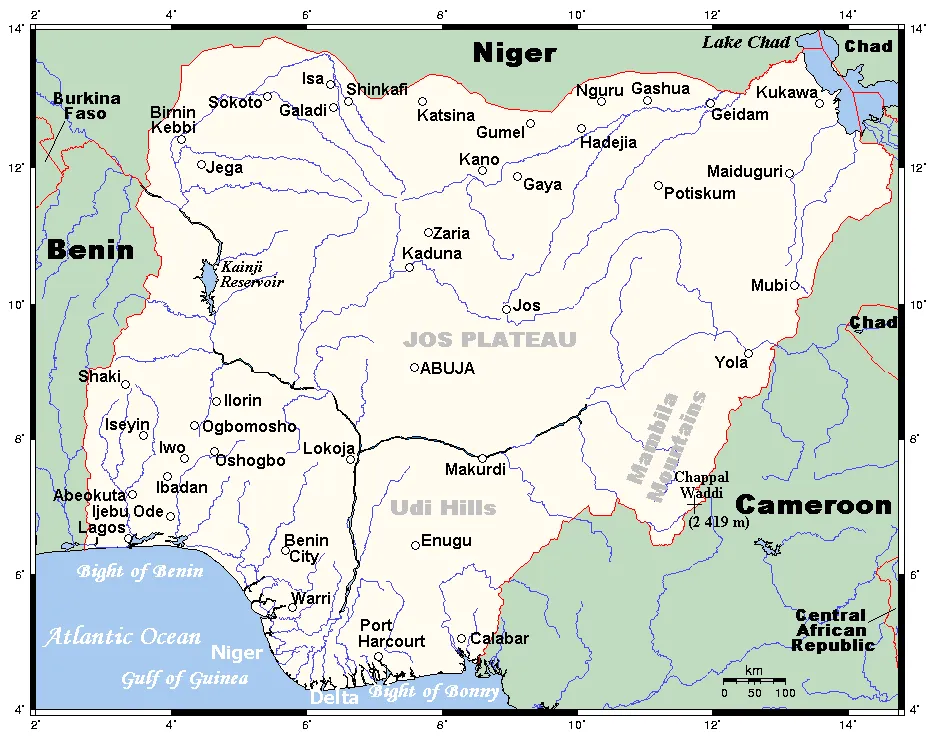
A fatal head‑on collision on the Lagos–Badagry Expressway near Lagos on Thursday left five people dead, according to police reports. The crash involved two vehicles that collided at a high speed, with the impact causing severe damage to both cars and a subsequent explosion of the fuel tanks. Emergency crews were on the scene within minutes, but the injuries were too serious for the victims. The expressway, which runs through the densely populated western suburbs of Lagos, is a critical artery for commuters and commercial traffic heading toward the coast.
The Lagos–Badagry Expressway is the Nigerian segment of the Trans–West African Coastal Highway, a 5,200‑kilometre corridor that links the port city of Lagos with Dakar in Senegal. The route has long been a backbone of West African trade and mobility, carrying goods and passengers across several countries. In 2010, the Nigerian government launched an extensive reconstruction programme for its portion of the highway, aiming to improve safety and capacity. The project has involved widening the road from its original four lanes to a planned ten lanes, adding a dedicated mass‑transit line in the median and allocating two lanes exclusively for the Lagos Bus Rapid Transit (BRT) system.
Local authorities have condemned the crash as a stark reminder of the road‑traffic challenges that remain despite the reconstruction efforts. The Lagos State Commissioner for Transportation, who visited the scene, said that “the expressway is a vital link, and incidents such as this highlight the need for stricter enforcement of speed limits and better driver education.” Meanwhile, the Lagos Police Force announced that a joint investigation would examine whether driver fatigue, mechanical failure or reckless driving contributed to the accident. The incident has also prompted the Lagos State Government to call for an immediate review of the expressway’s lighting and signage, as the crash occurred in a stretch that is still under improvement.
The tragedy has broader implications for Nigeria’s transport sector. The Lagos–Badagry Expressway is not only a conduit for daily commuters but also a key route for the movement of agricultural produce, manufactured goods and petroleum products to the port of Lagos, Nigeria’s main gateway to international trade. Any disruption on the highway can ripple through supply chains, affecting prices and delivery times across the country and, by extension, the West African region that relies on Lagos for imports and exports. Moreover, the ongoing expansion of the road is part of a larger strategy to boost regional connectivity, reduce transportation costs, and enhance competitiveness within the African Continental Free Trade Area. A serious accident on this route underscores the urgent need to balance rapid infrastructure development with stringent safety protocols.
In the wake of the crash, traffic management agencies have urged motorists to exercise caution, especially on sections of the expressway that remain under construction. The Lagos State government has also announced plans to accelerate the deployment of additional traffic police officers and to introduce advanced monitoring systems, including speed cameras and real‑time traffic alerts. For commuters and freight operators, the incident serves as a sobering reminder that the benefits of improved road capacity must be matched by robust safety measures.
Ultimately, the fatal collision highlights the delicate interplay between infrastructure expansion and road safety. As Nigeria continues to invest heavily in the Lagos–Badagry Expressway and the broader Trans‑West African Coastal Highway, ensuring that safety standards keep pace with physical upgrades will be essential to sustaining the economic momentum that this corridor is meant to generate for both Lagos and the wider West African region.
Produced by our editorial team, with AI assistance in editing.