Fire kills at least 15 infants in Islamabad neonatal ward
At least 15 infants were killed and another child seriously injured when a fire broke out in the neonatal ward of a state‑run hospital in Islamabad on Tues
At least 15 infants were killed and another child seriously injured when a fire broke out in the neonatal ward of a state‑run hospital in Islamabad on Tuesday evening, local officials said. Firefighters arrived within minutes, but the blaze quickly engulfed the ward’s wooden cots and equipment, trapping the newborns. Hospital staff managed to evacuate several children, but the rapid spread of flames and the lack of an effective sprinkler system contributed to the high death toll. The capital’s health department has launched an emergency investigation and announced a three‑day mourning period for the victims.
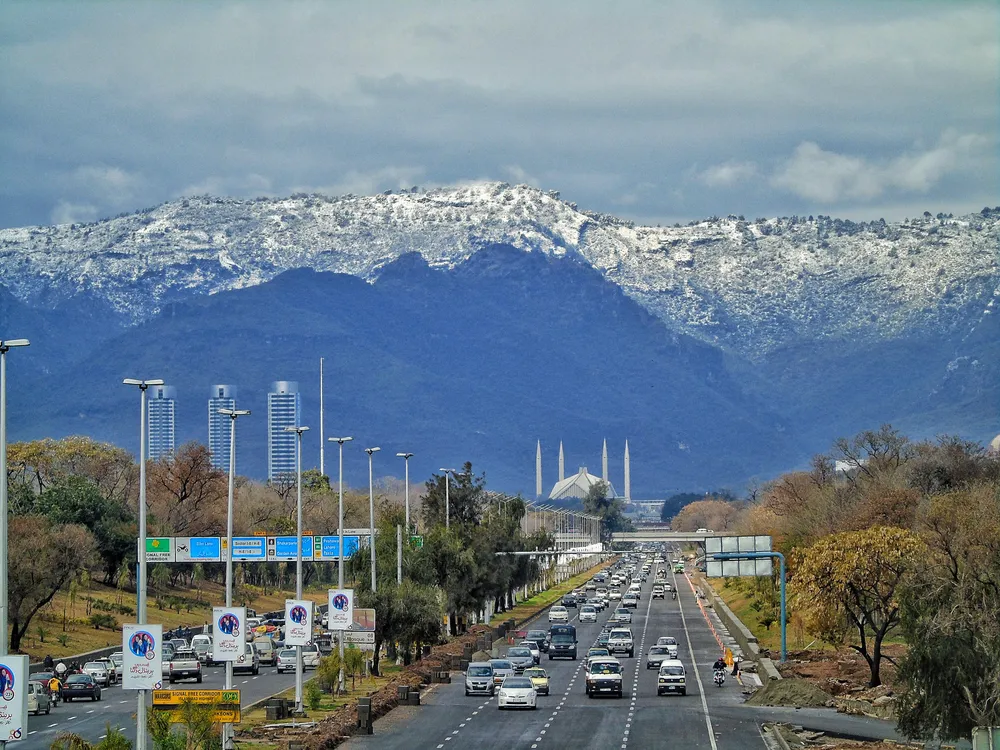
The incident occurred at the Federal Hospital for Women and Children, one of the few public facilities that provides free neonatal care to families who cannot afford private treatment. Islamabad, Pakistan’s purpose‑built capital of just over a million residents, is administered directly by the federal government and serves as the administrative hub for the surrounding metropolitan area of more than five million people. Designed in the 1960s by Greek architect Constantinos Doxiadis, the city is divided into distinct zones for government, diplomacy, residential life and health services, with the hospital situated in the central health district that also houses several specialty clinics and medical research institutes.
Authorities have not yet released a definitive cause for the fire, but early reports point to an electrical fault in the ward’s lighting system. The hospital’s aging infrastructure, a problem widely acknowledged across Pakistan’s public health sector, has long been flagged by health workers and watchdog groups as a safety risk. Overcrowding, outdated equipment and insufficient fire‑prevention measures are common complaints in government hospitals that serve low‑income patients, where budget constraints often delay essential upgrades. The tragedy has revived calls for a comprehensive audit of safety standards in all public medical facilities.
Prime Minister Shehbaz Sharif expressed his “deepest condolences” to the families and ordered an immediate review of fire safety protocols nationwide. Opposition parties have seized on the disaster to criticize the ruling coalition’s handling of public health funding, demanding accountability and swift compensation for the bereaved. International aid agencies, including the World Health Organization, have offered technical assistance for the investigation and pledged support for improving emergency response capabilities in Pakistani hospitals. Families of the victims have gathered outside the hospital, demanding transparent answers and assurances that such a loss will not be repeated.
Pakistan’s health system, already strained by chronic under‑investment and a high infant mortality rate, now faces intensified scrutiny. Public hospitals are the primary source of care for the majority of the population, yet they often operate with limited resources, insufficient staffing and inadequate infrastructure. The fire underscores systemic vulnerabilities that can exacerbate health crises, from routine disease outbreaks to larger emergencies, and highlights the urgent need for reforms that prioritize patient safety and facility resilience.
While the tragedy is a domestic calamity, it reverberates beyond Pakistan’s borders. Poorly equipped health facilities can hinder regional disease surveillance and impede coordinated responses to public‑health threats that cross borders, affecting neighboring countries and international supply chains for medical goods. For Taiwan, which actively participates in global health initiatives and provides humanitarian assistance to developing nations, the incident illustrates the importance of supporting capacity‑building projects that strengthen hospital safety standards and emergency preparedness. Strengthening health infrastructure in Pakistan could contribute to broader regional stability, reduce the risk of trans‑border health emergencies, and create avenues for collaborative health diplomacy in which Taiwan can play a constructive role.
Produced by our editorial team, with AI assistance in editing.