FIFA President's Senior Adviser Carlos Cordeiro Resigns Amid Backlash Over Wall Street Deal
A senior advisor to FIFA President Gianni Infantino, Carlos Cordeiro, has unexpectedly resigned from his position. Cordeiro, a 69-year-old veteran of the i
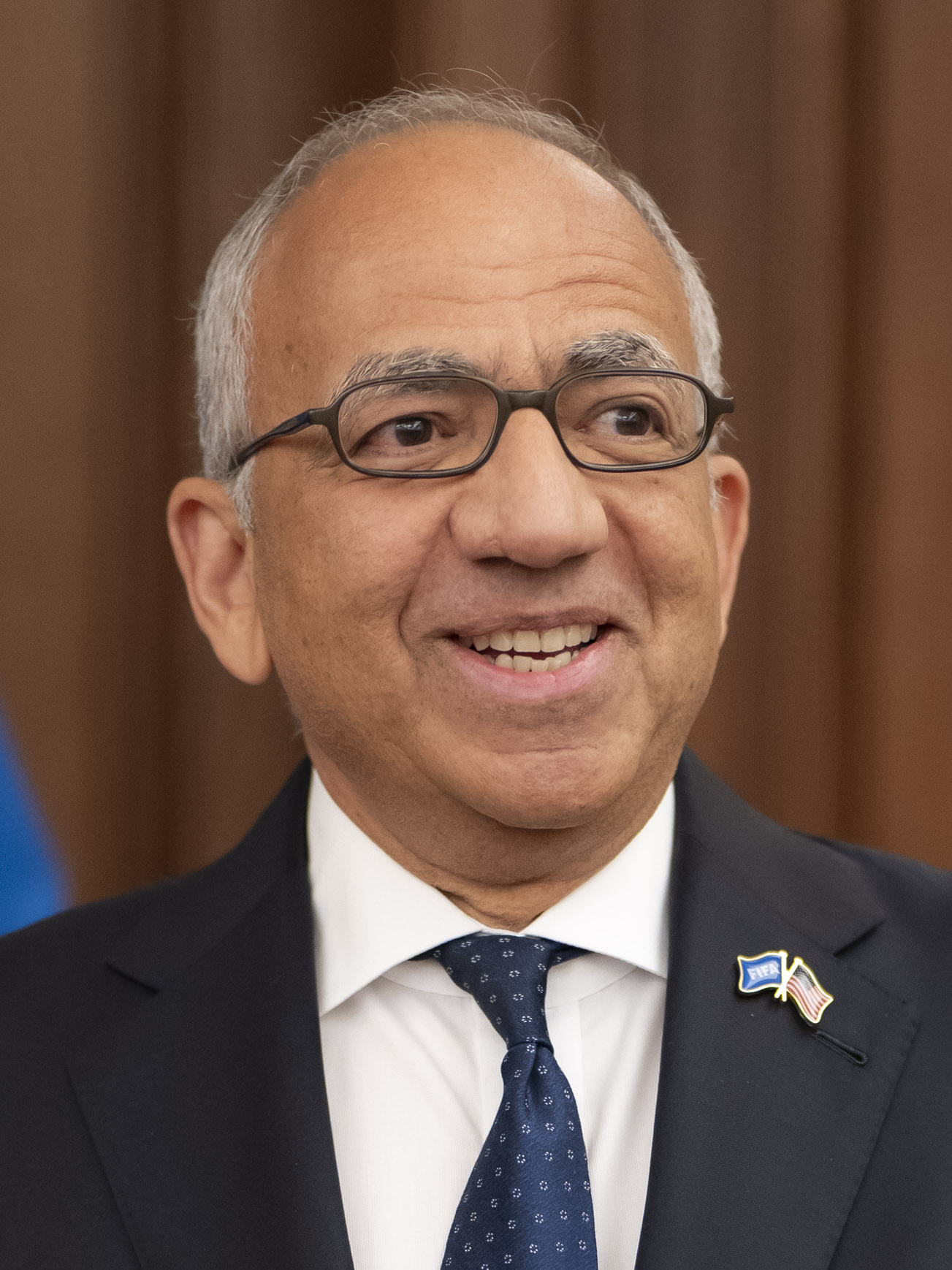
A senior advisor to FIFA President Gianni Infantino, Carlos Cordeiro, has unexpectedly resigned from his position. Cordeiro, a 69-year-old veteran of the international sports administration, publicly criticized Infantino's plan to sell a portion of FIFA Forward Enterprise's shares to private investors, such as JPMorgan Chase, stating that this would be a disaster for both the international football community and FIFA's global membership.
Cordeiro, who has a background in investment banking and a rich experience in American sports administration, has been serving as FIFA's global strategic and governance senior advisor since 2021 and then as senior advisor to the FIFA President. In May of this year, he was also appointed as a senior advisor to the White House Working Group for the 2026 World Cup by former US President Donald Trump.
Cordeiro chose to resign in protest, directly criticizing private equity and Wall Street capital involvement, which he believes would severely harm the long-term development of the sport. The central controversy surrounding Cordeiro's resignation lies in FIFA's recent efforts to promote commercialization. Under Infantino's leadership, FIFA has been actively seeking more commercial capital to expand global events and provide support to national football associations.
However, the plan to sell shares of FIFA's commercial entities to financial giants on Wall Street has sparked intense concerns within the sports community. Opponents worry that excessive commercial and private capital involvement in international sports governance could cause football, the world's most popular sport, to gradually drift away from its original public and competitive essence.
In his resignation statement, Cordeiro emphasized that this transaction would be a "bad deal" for FIFA's member associations, the sport itself, and its long-term future. As a former Wall Street investment banker, Cordeiro is familiar with private capital operations, and his public dissent highlights the internal divisions within FIFA's leadership regarding the organization's commercialization strategy. This event has once again drawn attention to the ongoing struggle between pursuing financial expansion and maintaining the public nature of sports.
Although this event is an internal governance and capital operation dispute within an international sports organization and is not directly related to Taiwan's industry or diplomatic ties, it reflects the current global dilemma faced by large international organizations in the face of commercialization and capitalization. From the International Olympic Committee to major single-sport governing bodies, balancing commercial interests, sponsor power, and fair competition has been a pressing issue in modern sports. Following the changes in international sports administration and policy decisions, Taiwan's sports sector can gain valuable insights and perspectives in its participation in international affairs and understanding of the global sports industry chain and governance rules.
Produced by our editorial team, with AI assistance in editing.