
Fatal Head-on Collision on Pakistan’s N-25 Highway Leaves Four Dead
A serious traffic accident occurred recently in the Wadh area of Balochistan, Pakistan, when two speeding vehicles collided head-on on the N-25 National Hi
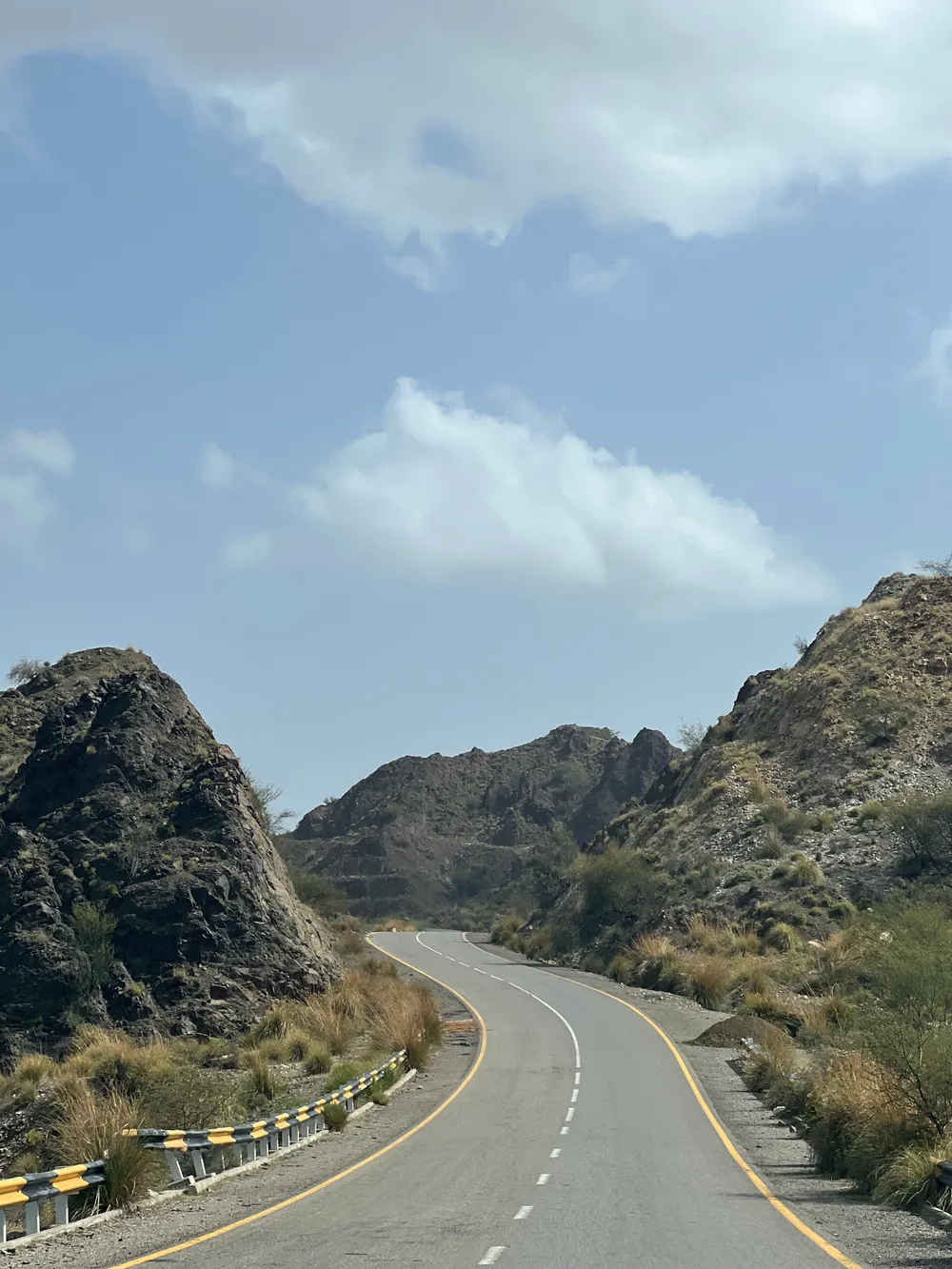
A serious traffic accident occurred recently in the Wadh area of Balochistan, Pakistan, when two speeding vehicles collided head-on on the N-25 National Highway. The crash resulted in at least four immediate fatalities and left nine others injured. Local rescue workers reported that the impact was so severe that the vehicles were mangled, with most of the casualties being passengers trapped inside. Authorities arrived at the scene shortly after receiving reports to conduct rescue operations, and the injured have been transported to nearby hospitals for emergency treatment. The police are currently investigating the cause of the accident and determining liability.
The N-25 National Highway, spanning approximately 813 kilometers, is a vital artery connecting Karachi in Sindh province to Chaman on the Afghan border, passing through Quetta, the capital of Balochistan. Although officially known as the "RCD Highway" (Regional Cooperation for Development Highway), it is frequently dubbed the "Killer Highway" by local residents and the media due to its treacherous conditions, chronic lack of maintenance, and frequent instances of speeding and reckless overtaking. The road has become a major pain point for traffic safety in the country due to the high frequency of accidents.
The Pakistani government has faced significant pressure in recent years to address the worsening traffic safety situation. In April of this year, authorities announced that funds saved from reduced petroleum expenditures would be reallocated to upgrade the N-25. The project aims to widen the single-lane road to highway standards, with a total budget of 300 billion rupees. On December 5, the National Highway Authority (NHA) officially launched the reconstruction project, intending to reduce travel time and accident rates through infrastructure modernization.
Despite government commitments to infrastructure improvements, this tragedy once again highlights the systemic difficulties in Pakistan's traffic safety management. Experts point out that beyond hardware deficiencies, inadequate enforcement of traffic laws, a lack of driver education, and high-risk operational practices common among long-haul transport vehicles are key factors preventing the elimination of fatal accidents. Until the new highway project is completed, the N-25 will remain highly dangerous, leaving the lives of long-haul transport operators and the public who rely on the route in a precarious state.
For Taiwan, while Pakistan’s infrastructure development and road safety issues do not have a direct impact on its economic and trade supply chains, they offer significant insights as a case study in regional transportation development. The Pakistani government’s decision to redirect energy savings toward transportation infrastructure reflects the dilemma developing nations face between economic growth and public safety. Furthermore, the country's attempt to improve logistics efficiency through large-scale infrastructure projects serves as an important indicator for observing the modernization of South Asian infrastructure, which in turn helps in evaluating local investment environments and market stability. Through such international reporting, readers can not only gain an understanding of traffic safety conditions abroad but also reflect on the governance challenges modernizing nations face in balancing increased transportation efficiency with the protection of human life.
Produced by our editorial team, with AI assistance in editing.
