
Far-right protest blocks Dover port, shipping disrupted, police arrest demonstrators
On the morning of 27 August 2024, the entrance and exit of Dover port in Kent, England, were blocked by hundreds of far‑right demonstrators wearing masks,
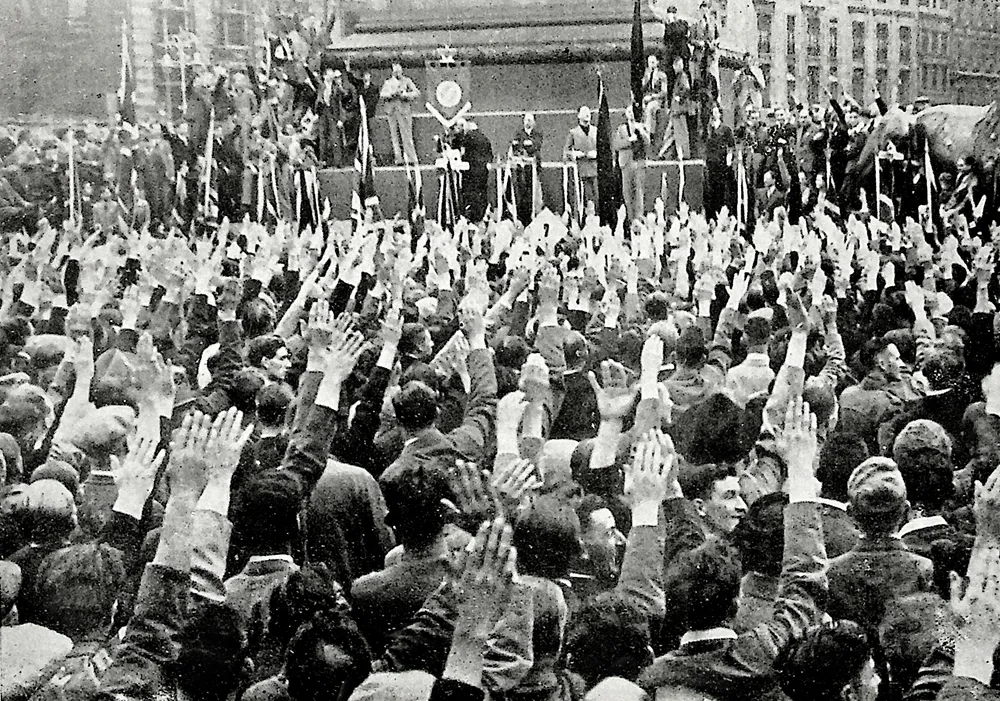
On the morning of 27 August 2024, the entrance and exit of Dover port in Kent, England, were blocked by hundreds of far‑right demonstrators wearing masks, bringing the port’s road network and the ferry routes that link the British mainland with the European continent to a standstill. Vehicle traffic and container trucks formed long queues for several hours without being able to pass. Police deployed riot‑control equipment on site and began dispersing the crowd in the afternoon, arresting some demonstrators.
The demonstrators claimed to be protecting British culture and opposing illegal immigration. They carried placards and megaphones and erected barricades at the port’s main thoroughfares and ferry waiting areas, blocking vehicle and pedestrian access. Most wore black hooded jackets or protective masks, and their actions were highly organized, persisting for hours before police could disperse them.
The roots of far‑right forces in the United Kingdom can be traced back to the British Fascisti of the 1920s. In 1932, Oswald Mosley founded the British Union of Fascists (BUF), which clashed violently with anti‑fascist crowds during the 1936 Battle of Cable Street. After World War II, the far‑right movement gradually shifted toward white‑supremacist, anti‑multicultural nationalist groups. In recent years, the Brexit referendum and immigration debates have revived the movement, creating two main branches: a “radical right” that cloaks itself in electoral democracy while challenging liberal democratic institutions, and an “extreme right” that rejects democracy outright.
Since the Brexit vote, British society has seen intensified debates over immigration policy and national identity. Some political parties and civil organisations have exploited public anxiety to advance nationalist agendas, leading to a rise in the frequency of far‑right demonstrations. Police said they had activated an emergency response plan, deploying riot police vehicles and aerial surveillance and coordinating with the port authority to ensure maritime safety and public order. After the incident, the ferry operator suspended several sailings, with daily freight delays estimated at several million pounds.
For Taiwan, the episode has little direct relevance to domestic politics, but Dover’s role as a major logistics hub connecting the United Kingdom with Europe means that its disruption can affect global supply chains, especially the cross‑border transport of semiconductors and high‑technology components. Taiwanese companies with supply flows to European markets should monitor such sudden events for potential delays and cost increases. They can also draw lessons from the United Kingdom’s crisis‑management and police‑community coordination mechanisms when confronting extreme political demonstrations at large transport hubs, to strengthen the resilience and response capacity of Taiwan’s critical infrastructure.
Produced by our editorial team, with AI assistance in editing.
