Explosive Device Damages Home of Incoming Peruvian Mayor in Villa El Salvador
LIMA, Peru — An unidentified assailant hurled an improvised explosive device at the private residence of Villa El Salvador mayor-elect Marcelino Huamán Can
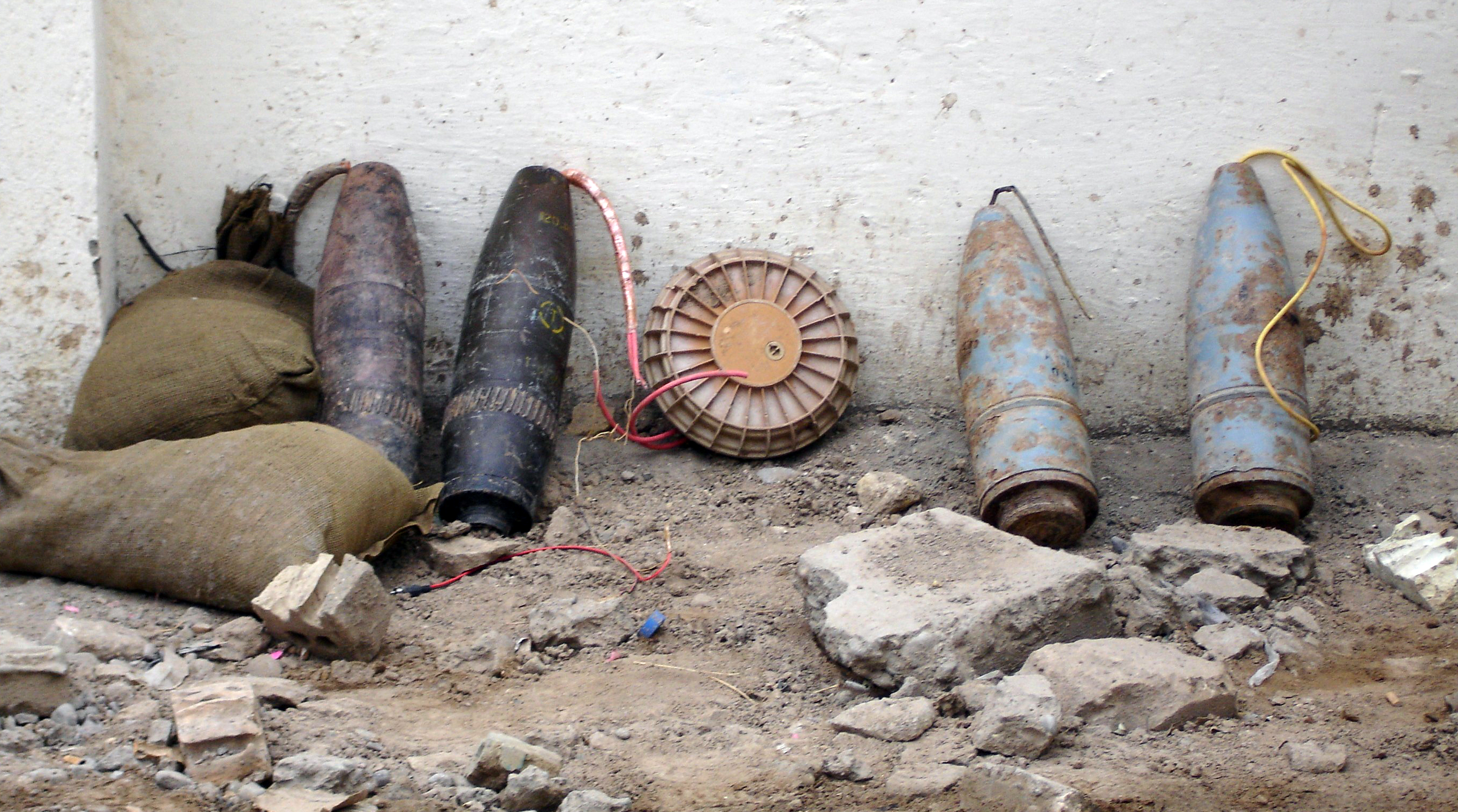
LIMA, Peru — An unidentified assailant hurled an improvised explosive device at the private residence of Villa El Salvador mayor-elect Marcelino Huamán Cano in the Peruvian capital late Monday evening. The incoming official was inside the property with members of his family at the time of the blast. While the explosion resulted in significant structural damage to the front of the home, local emergency services and police confirmed that no injuries were sustained by the occupants.
Peruvian national police have launched a formal investigation into the attack, deploying forensic teams to analyze explosive residue and reviewing closed-circuit television footage from the surrounding neighborhood. Authorities have not yet publicly identified any suspects or confirmed a definitive motive, though local law enforcement is examining potential links to organized crime, municipal corruption, or political retaliation following recent local elections.
The deployment of an improvised explosive device marks a severe escalation in tactics typically associated with political intimidation in the region. Historically, IEDs—which are non-conventionally engineered bombs constructed using readily available or military-grade components—are predominantly utilized by violent non-state actors, guerrilla movements, or terrorist organizations operating in asymmetric warfare contexts. While such devices are frequently deployed as roadside or homemade bombs in zones of active insurgency, their appearance in urban domestic attacks against elected civilian officials highlights a worrying bleed of paramilitary-style violence into civil politics.
The incident has triggered widespread condemnation from municipal leaders, civil society organizations, and political figures across Peru, who are calling for heightened security measures for incoming public servants. Villa El Salvador, a populous district in southern Lima known for its strong community-led origins, has increasingly grappled with local security challenges, including extortion and urban crime rings targeting regional businesses and municipal infrastructure.
Although the bombing remains an internal security matter for Andean governance rather than a direct flashpoint for global trade, the erosion of the rule of law and the rise of violent coercion against democratically elected officials carry broader implications for investment and stability in Latin America. As regional governments struggle to contain transnational criminal networks that increasingly mirror the tactics of asymmetric warfare, the security of local municipal administration remains a critical baseline for maintaining predictable commercial and diplomatic environments across the hemisphere.
Produced by our editorial team, with AI assistance in editing.