Explosions and Precision Strikes Across Southern Iran Escalate Regional Tensions
Explosions have been reported across several locations in southern Iran, with witnesses in Qeshm Island, Bushehr, Ahvaz, and Bandar Abbas reporting flashes
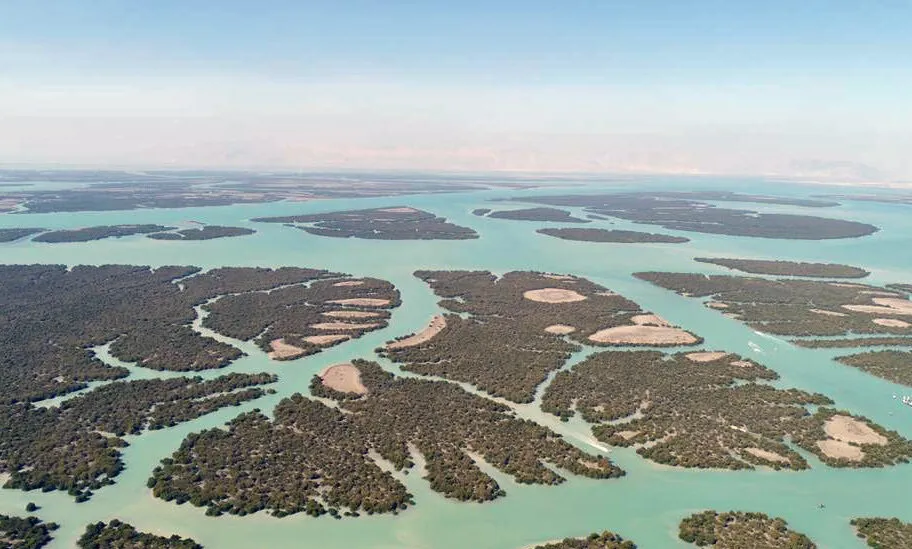
Explosions have been reported across several locations in southern Iran, with witnesses in Qeshm Island, Bushehr, Ahvaz, and Bandar Abbas reporting flashes of light and tremors. In a targeted strike near the Strait of Hormuz, a truck traveling across a bridge in the port city of Bandar Khamir was hit with precision, resulting in the driver's immediate death. Iranian officials have yet to provide a detailed explanation regarding this series of explosions, and while the source and motive remain unclear, the regional situation has intensified.
Qeshm Island, situated at the strategic gateway of the Strait of Hormuz, is the largest island in the Persian Gulf, covering approximately 1,500 square kilometers, and holds significant military value. It is widely believed that Iran has constructed a highly classified "missile city" deep beneath the island, housing various long-range missiles, rocket systems, and kamikaze drones. Given its proximity to vital global energy shipping lanes, any military activity in this area triggers heightened international concern regarding stability in the Middle East and the security of energy transit.
The regions affected by these explosions encompass several of Iran’s critical military and industrial hubs: Bushehr is home to a major nuclear power plant; Bandar Abbas serves as a key base for the Iranian Navy in the Persian Gulf; and Ahvaz is a core center for the country’s oil industry. Iran has previously been the target of covert strikes against military facilities or scientists, actions often attributed to Israel or Western intelligence agencies with whom Iran has deep-seated geopolitical conflicts, aimed at stalling its military development or disrupting its nuclear program. However, it remains to be determined whether this multi-point attack pattern was a coordinated operation and what the underlying strategic intent may be.
For the international energy market, any turbulence in the Persian Gulf has the potential to impact global oil prices. The Strait of Hormuz is a vital artery for global oil transport, carrying approximately one-fifth of the world’s daily oil supply; an escalation of tensions in the region would directly threaten the stability of global supply chains. Currently, nations in the region remain on high alert, and international observers are closely monitoring Iran’s response and potential retaliatory measures, which will determine whether this sudden conflict remains a localized friction or escalates into a broader geopolitical confrontation.
For Taiwan, although geographically distant from Iran, this event remains significant for international analysis. Taiwan is highly dependent on energy imports, with the majority of its crude oil originating from the Middle East; any security threat to the Strait of Hormuz could affect domestic prices and industrial costs through oil price fluctuations. Furthermore, as an exporter of drone and missile technology, the technical details surrounding attacks on Iranian military facilities often serve as case studies for militaries worldwide studying modern asymmetric warfare. Readers in Taiwan can observe the complex entanglement of Middle Eastern geopolitics through this event, understanding how the defense of critical strategic nodes affects the international order amidst intensifying global conflicts—a perspective that is an indispensable part of understanding the contemporary international landscape for Taiwan, which sits on the front lines of Indo-Pacific strategy.
Produced by our editorial team, with AI assistance in editing.