
Explosions and Precision Strikes Across Iran Spark Global Strategic Security Concerns
Explosions were reported today across several locations in Iran, including Qeshm Island, Bushehr, Ahvaz, and Bandar Abbas, with local residents witnessing
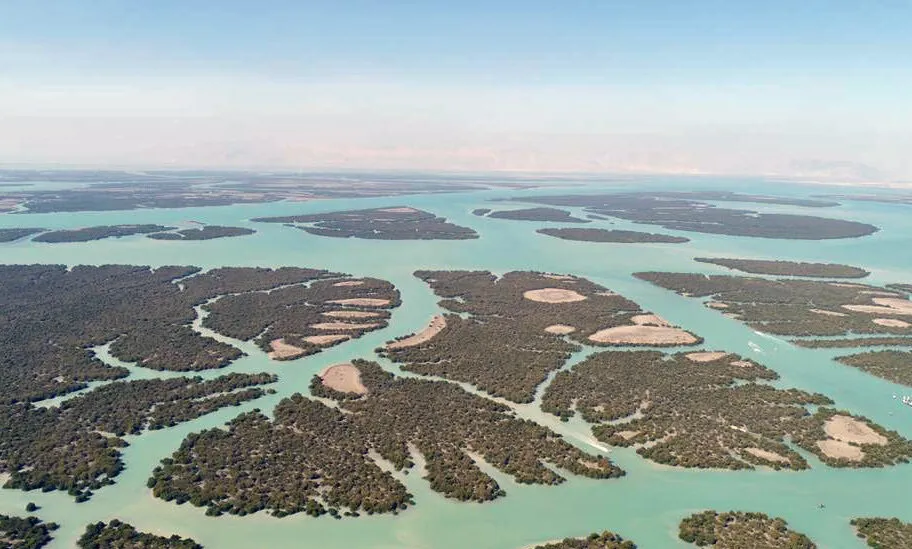
Explosions were reported today across several locations in Iran, including Qeshm Island, Bushehr, Ahvaz, and Bandar Abbas, with local residents witnessing or reporting the incidents. Notably, a targeted strike occurred in Bandar Khamir, a strategic location along the Strait of Hormuz, where a truck traveling on a bridge was hit with precision, resulting in the immediate death of the driver. Iranian authorities have yet to issue a detailed investigative report regarding this series of explosions; however, the simultaneous occurrence of these anomalous events across multiple regions has drawn significant attention from regional security observers.
As the largest island in the Persian Gulf, Qeshm Island holds a highly sensitive strategic position. It not only commands the chokepoint of the Strait of Hormuz but has long been considered a deep-defense zone within Iran’s military architecture. According to historical intelligence and public records, Qeshm Island houses a highly classified "missile city," containing extensive stockpiles of weaponry, including ballistic missiles, rocket systems, and various types of drones. Whether the explosions in this area resulted in damage to military facilities or represented a precise strike against regional weapons supply chains has become a focal point of discussion within the international strategic community.
The current situation unfolds against a backdrop of long-standing geopolitical tension in the Persian Gulf. As the sole maritime outlet connecting the Persian Gulf to the Gulf of Oman, the Strait of Hormuz remains the core lifeline for global energy supplies. Iran has long utilized the deployment of anti-ship missiles and drone technology in these waters to establish "area denial" capabilities, intended to counter foreign military intervention. However, the recent frequency of targeted explosions involving infrastructure and transport vehicles in Iran suggests that intelligence warfare and clandestine military operations in the Middle East have entered a new period of heightened confrontation. The struggle between regional powers is shifting from traditional proxy warfare toward the precise sabotage of critical military logistics chains.
While the perpetrators behind these attacks remain unconfirmed, the high level of precision indicates that these were not mere accidents or isolated security lapses. The Iranian authorities have long faced external pressure from infiltration, and such strikes against transport vehicles are often intended to sever arms supply lines or intimidate Iran’s defense decision-makers. Given the extremely low transparency regarding Iran’s military deployments in these regions, any explosion at a critical strategic node risks triggering a chain reaction of regional security alarm, potentially causing a sharp rise in geopolitical risk indices and exerting pressure on international oil prices and maritime security.
For Taiwan, although there are no direct energy or military agreements between Taiwan and Iran, these events remain highly significant for understanding the international landscape. As an economy heavily dependent on energy imports, the stability of the Persian Gulf region directly affects global energy price fluctuations. Furthermore, Iran’s proliferation of drone and missile technology is closely linked to the modern asymmetric warfare models that Taiwan is currently monitoring. By observing these "gray zone" conflicts occurring in strategic locations, Taiwan can gain a deeper understanding of how critical infrastructure and logistics chains have become primary targets in modern warfare—a valuable military and geopolitical case study for a nation currently dedicated to strengthening its overall resilience and defense capabilities.
Produced by our editorial team, with AI assistance in editing.