England's ancient Oak Tree, believed to be 800-1200 years old, has been declared dead.
Major Oak, a renowned 1,000-year-old tree in Sherwood Forest, Nottinghamshire, England, has been confirmed to have died by scientists. The massive English
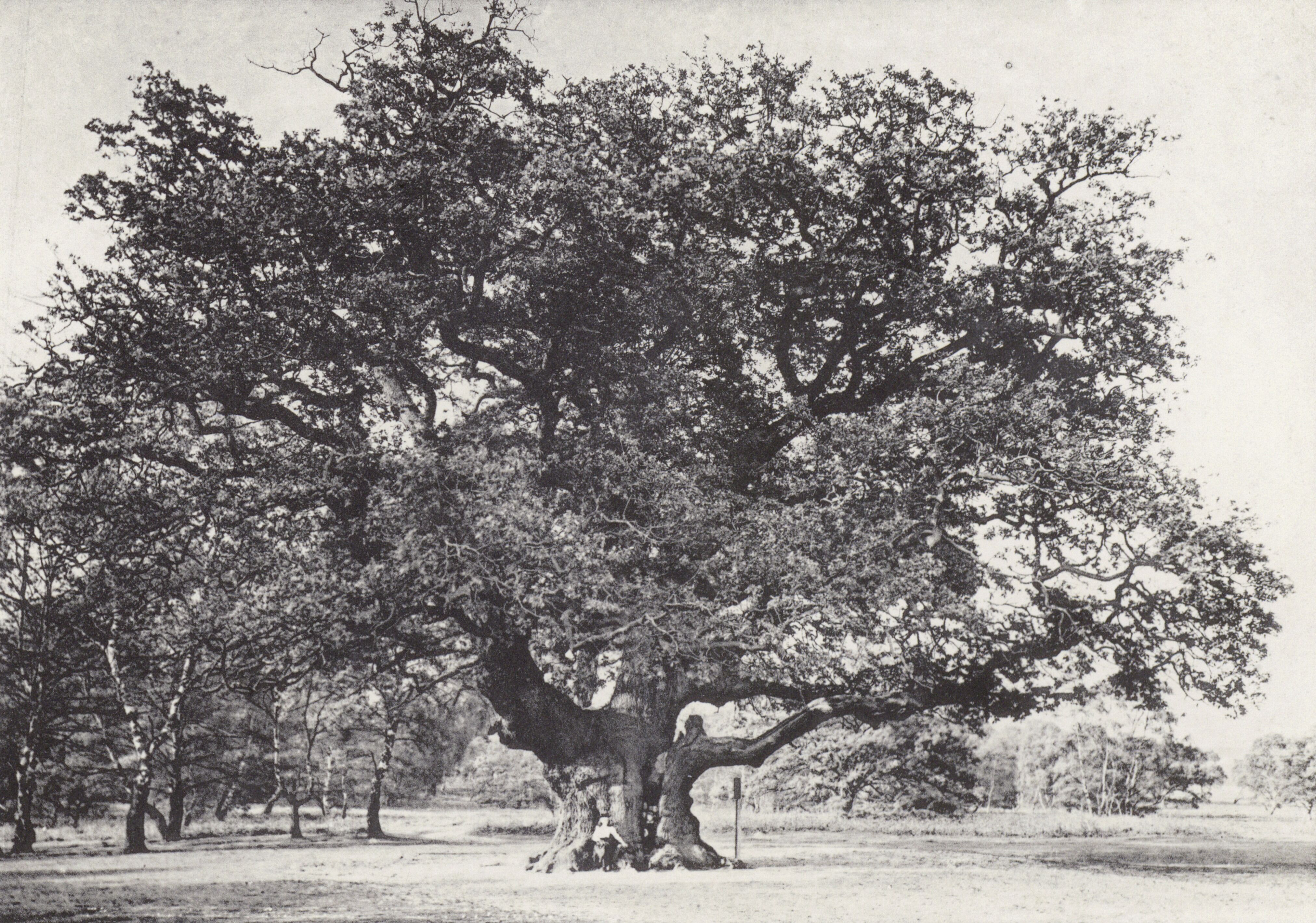
Major Oak, a renowned 1,000-year-old tree in Sherwood Forest, Nottinghamshire, England, has been confirmed to have died by scientists. The massive English oak tree, estimated to be between 800 to 1,200 years old, faced a series of sweltering summers over the past decade, leading to stress that ultimately prevented it from producing new leaves.
Major Oak, located at the heart of Sherwood Forest, was estimated to weigh around 23 long tons and had a canopy width of 92 feet at its peak. According to local folklore, the tree was believed to be the hideout of Robin Hood and his Merry Men. The tree's historical and cultural significance is immense, holding significant symbolic value for the UK's natural and cultural heritage.
The tree's death is attributed to a combination of factors, including the consecutive high-temperature and drought-stricken summers over the past decade, which put continuous pressure on the tree. Nearby coal mining operations also altered the water table, further exacerbating the tree's stress. Additionally, measures taken to protect the tree inadvertently had a negative impact, accelerating the tree's decline.
The UK's Royal Society for the Protection of Birds (RSPB) manages Sherwood Forest and announced Major Oak's death in June 2026. The organization stated that the tree's demise was caused by long-term stress and poor environmental conditions. The news sparked widespread concern and mourning among the British public, with many expressing their sorrow over the loss of the culturally and historically significant tree.
Major Oak's death has also sparked a reflection on environmental protection and natural resource management. The incident highlights that long-term environmental pressure and misguided protection measures can have irreversible impacts on natural resources. People must prioritize environmental protection and natural resource management, adopting more effective and scientific protection measures to ensure long-term sustainability.
While Major Oak's death does not directly affect Taiwan, the event holds significant importance in understanding international affairs and the importance of environmental protection. It underscores the need for global cooperation and attention in protecting the environment and natural resources, as countries must work together to adopt more effective and scientific protection measures to ensure long-term sustainability. Furthermore, Major Oak's demise has sparked a reflection on the protection and preservation of cultural and historical resources, emphasizing the need to prioritize their protection and transmission to ensure their long-term value and significance.
Produced by our editorial team, with AI assistance in editing.