Eight Killed in Western India After Vehicle Contacts Low-Hanging Power Line
At least eight people were killed on Tuesday after being electrocuted when the vehicle they were traveling in came into direct contact with a high-voltage
At least eight people were killed on Tuesday after being electrocuted when the vehicle they were traveling in came into direct contact with a high-voltage power line in the western Indian state of Rajasthan. Local emergency services and police reported that the tragic incident unfolded in a rural district, where the transmission line had reportedly sagged dangerously low. The victims, whose identities are being withheld pending family notification, suffered fatal shocks almost instantaneously as the metallic body of the vehicle became heavily energized.
State authorities have launched an immediate inquiry into the accident to determine the exact sequence of events and assess whether utility maintenance negligence played a role. Local officials expressed deep condolences to the bereaved families and announced financial assistance for the victims' relatives. State utility engineers were dispatched to the site to inspect surrounding infrastructure, secure the fallen line, and restore the local power grid safely after temporarily cutting off electricity to the area.
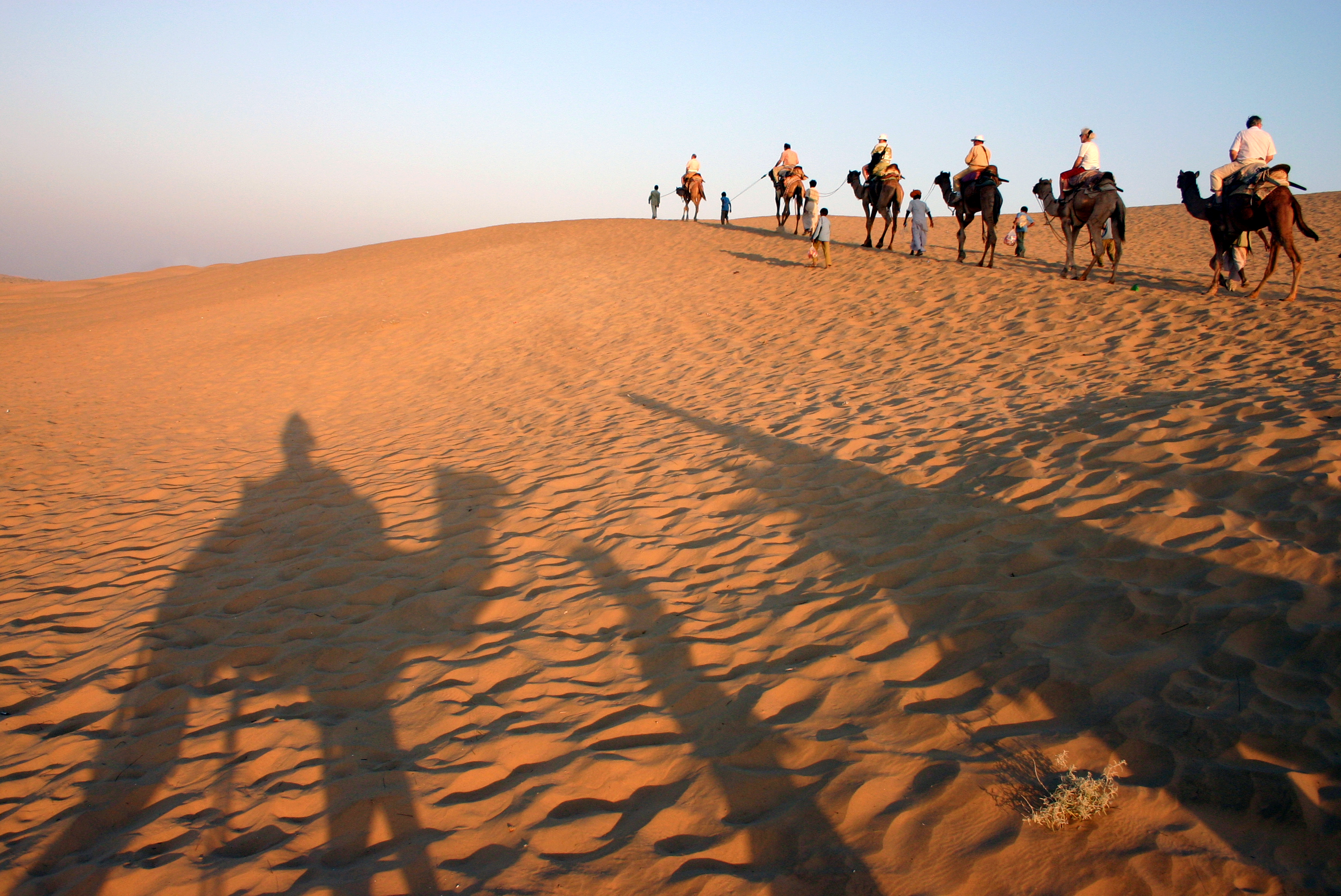
The accident highlights persistent infrastructure and public safety challenges across India's largest state by area. Spanning over 342,000 square kilometres, Rajasthan encompasses a diverse terrain ranging from the arid expanses of the Thar Desert in the west to the ancient Aravalli mountain range in the east. Rapid rural electrification efforts over recent decades have dramatically expanded power grid access to remote and semi-arid settlements across the state's vast geographical footprint, but maintaining thousands of kilometers of distribution lines through harsh weather conditions remains a formidable logistical hurdle for regional utility providers.
Electrical safety incidents, particularly involving sagging overhead cables and aging distribution networks, remain a recurring concern in rural parts of South Asia. Local governance bodies and state-level electricity boards face ongoing pressure to upgrade rural infrastructure, implement stricter safety clearances near roadways, and deploy automated fault-detection systems to prevent similar tragedies. Public safety advocates have frequently called for more rigorous routine inspections of high-voltage transmission lines, especially in regions prone to extreme seasonal weather that can impact utility poles and overhead wiring.
Produced by our editorial team, with AI assistance in editing.