ECB President Christine Lagarde Announces Resignation Ahead of Term End
European Central Bank (ECB) President Christine Lagarde announced her resignation on Tuesday, stating that she can no longer maintain the political neutral
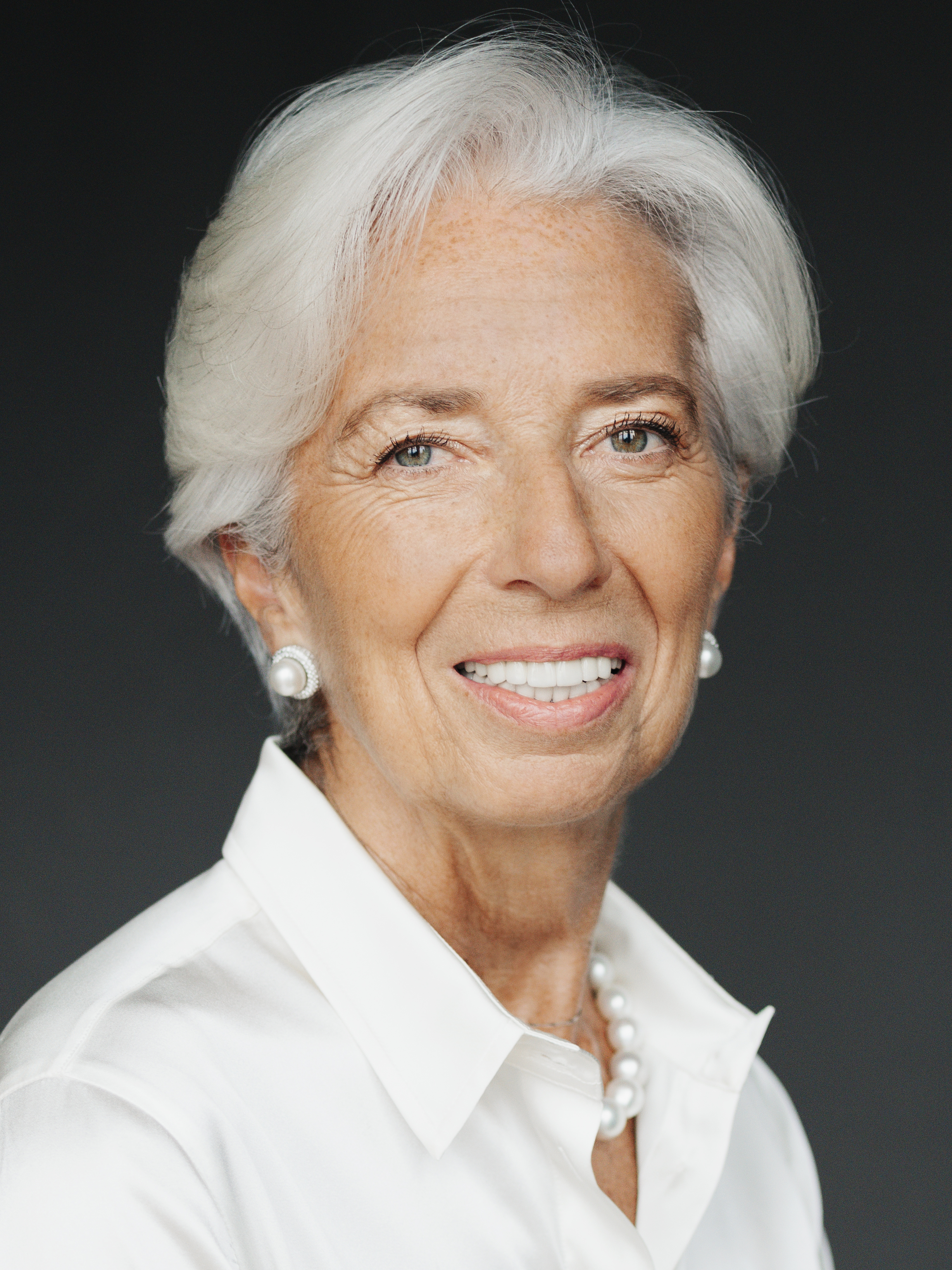
European Central Bank (ECB) President Christine Lagarde announced her resignation on Tuesday, stating that she can no longer maintain the political neutrality required by her office in the face of ongoing global developments. Lagarde confirmed she will step down in February 2027, cutting her eight-year presidential term short by eight months. Her departure marks an abrupt conclusion to a tenure that began in November 2019, when she became the first woman to lead the Frankfurt-based institution.
Lagarde’s announcement has triggered immediate speculation across European financial capitals regarding the succession timeline and the future direction of eurozone monetary policy. Appointed at a time of profound economic transition following her leadership of the International Monetary Fund (IMF), Lagarde navigated the ECB through unprecedented turbulence, including the economic fallout of the COVID-19 pandemic, a historic energy crisis, and the subsequent surge in inflation that forced the central bank into its most aggressive tightening cycle to date.
Throughout her career, the French-born lawyer and former corporate executive has frequently bridged the worlds of high-level diplomacy and domestic politics. Prior to heading the ECB and the IMF—roles where she was also the first female chief in both instances—Lagarde served prominently in the French government as Minister of the Economy, Finance, and Industry from 2007 to 2011 under President Nicolas Sarkozy. Before entering public service, she built a formidable corporate reputation as an antitrust and labor lawyer, eventually becoming the global chair of the international law firm Baker & McKenzie.
The decision to leave office ahead of schedule underscores the mounting pressures faced by central bankers as economic policy increasingly intersects with polarizing geopolitical and domestic debates. While central bank independence is traditionally a cornerstone of monetary stability, recent years have tested the boundaries of institutional neutrality amidst supply chain realignments, fiscal dominance concerns, and shifting global trade architectures. Lagarde’s early departure opens a delicate succession window for European Union leaders, who must soon agree on a successor capable of preserving market confidence while steering the euro area through persistent structural challenges.
For economies in the wider Indo-Pacific, including Taiwan, leadership continuity and policy direction at the ECB remain closely watched variables in global macroeconomic stability. As a major trading partner and a vital node in high-tech manufacturing and semiconductor supply chains, Taiwan is acutely sensitive to shifts in European monetary conditions, capital flows, and the overall health of the eurozone economy. Any prolonged uncertainty surrounding Europe's central bank leadership could influence investor sentiment and currency valuations, carrying broader implications for global trade flows at a time of heightened international economic fragmentation.
Produced by our editorial team, with AI assistance in editing.