Drone Strike in Sudan's North Kordofan Leaves Four Dead, Twelve Injured
In the city of El-Obeid, North Kordofan, a drone strike launched by the Rapid Support Forces (RSF) has left four people dead and 12 injured. The attack tar
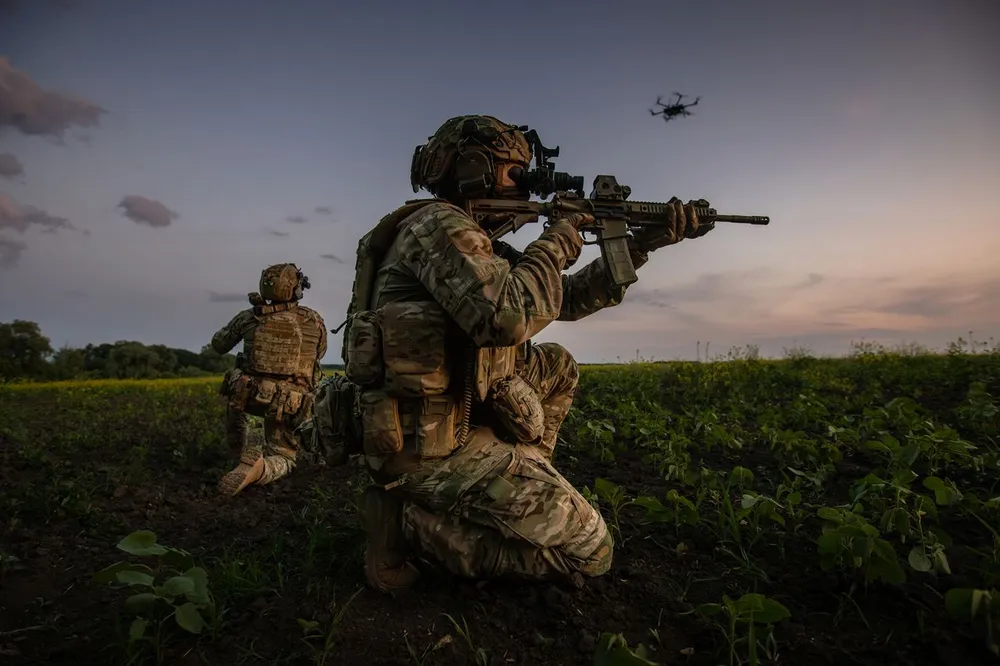
In the city of El-Obeid, North Kordofan, a drone strike launched by the Rapid Support Forces (RSF) has left four people dead and 12 injured. The attack targeted civilian areas, including a cemetery—striking while a funeral procession was underway—as well as a gas station. This incident has once again ignited concerns and debate surrounding the nature of drone warfare.
Drone warfare involves the deployment of military robots and unmanned systems. These systems can be remotely piloted or operate with varying degrees of autonomy during missions. Drones act as a force multiplier, potentially supplementing or reducing the necessity for active-duty personnel in operations. Types of unmanned systems and platforms include Unmanned Combat Aerial Vehicles (UCAVs) or weaponized commercial Unmanned Aerial Vehicles (UAVs), Unmanned Surface Vehicles (USVs), Unmanned Underwater Vehicles (UUVs), and Unmanned Ground Vehicles (UGVs). Small Unmanned Aerial Vehicles (SUAVs) and Micro Air Vehicles (MAVs) are portable systems that can be deployed for low-altitude, short-range support operations. Autonomous drones, such as autonomous aircraft and Lethal Autonomous Weapons (LAWs), utilize artificial intelligence or pre-programmed algorithms.
The Rapid Support Forces is a Sudanese militia formed in 2013, primarily tasked with maintaining Sudan's security and stability. The organization has played a significant role in Sudan's internal unrest, cooperating with government forces to combat rebel groups. However, the RSF has also been accused of human rights violations and war crimes, including attacks on and the killing of civilians. This drone strike has renewed questioning and criticism regarding the conduct of the RSF.
The military applications of drone warfare are extensive, ranging from reconnaissance missions and suicide attacks to logistical support, bomb disposal, training, and medical evacuation. Drones can provide real-time intelligence, conduct precision strikes against enemy targets, and reduce risks to active-duty personnel. Nevertheless, drone warfare has raised ethical and legal concerns, including civilian harm, the legality of drone strikes, and the long-term impact of such warfare.
The incident in El-Obeid, North Kordofan, serves as a quintessential example of drone warfare. The attack resulted in civilian casualties and property damage, fueling international concern and controversy. Governments and international organizations must establish strict norms and regulations for drone warfare to ensure that its use complies with the principles of international humanitarian law and human rights law.
For Taiwan, the significance of this incident in helping regional or local readers understand the international landscape lies in the fact that the use and regulation of drone warfare are critical issues for the global community. As a key international partner, Taiwan needs to monitor and engage in international discussions and the development of norms regarding drone warfare to ensure that its deployment adheres to the principles of international and human rights law. Simultaneously, Taiwan must address the implications of drone warfare for regional security and stability to ensure peace and stability in the region.
Produced by our editorial team, with AI assistance in editing.