
Drone Attack in Sudan Kills One, Wounds 14 and Sparks War Concerns
A drone attack occurred in the city of Kosti in Sudan's White Nile state, in which a drone operated by the Rapid Support Forces (RSF) struck a civilian fac
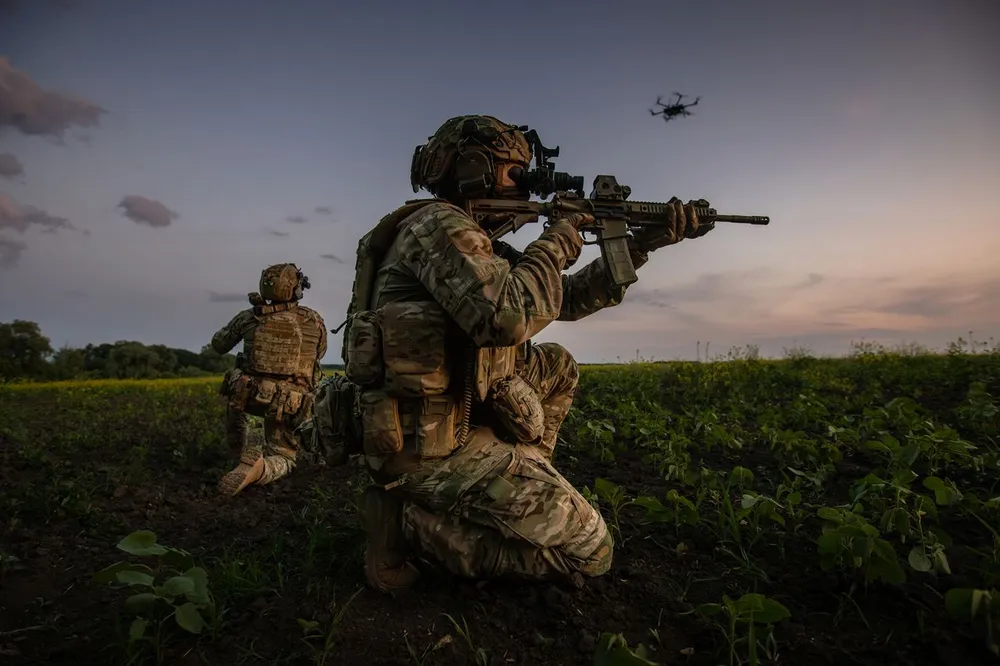
A drone attack occurred in the city of Kosti in Sudan's White Nile state, in which a drone operated by the Rapid Support Forces (RSF) struck a civilian facility, resulting in one death and 14 injuries. The incident has once again raised concerns about the use of drones in warfare.
Drones are a type of warfare characterized by the deployment of military robots and unmanned systems. These unmanned systems can be remotely controlled by pilots or have varying degrees of autonomy during missions. Drones can serve as force multipliers, augmenting or reducing the need for personnel in the field. Unmanned systems and platforms include unmanned combat air vehicles (UCAVs), weaponized commercial drones (UAVs), unmanned surface vessels (USVs), unmanned underwater vehicles (UUVs), and unmanned ground vehicles (UGVs). Additionally, there are portable drones (SUAVs) and micro air vehicles (MAVs) that can be used for low-altitude, short-range support operations. Autonomous drones, such as autonomous aircraft and Loitering Munition Aircraft (LAW), utilize artificial intelligence or pre-programmed algorithms to carry out tasks.
Drones have a wide range of military applications, including reconnaissance, kamikaze-style attacks, logistics support, bomb disposal, training, and medical evacuation. Many countries have developed drone combat capabilities, including China, France, Greece, India, Iran, Iraq, Israel, Italy, Pakistan, Poland, Russia, South Korea, Turkey, the United States, the United Kingdom, and Ukraine. These countries use drones to carry out various military missions, and drones have become an essential component of modern warfare.
In the Sudanese drone attack incident, the RSF's drone struck a civilian facility, resulting in casualties. The incident has raised concerns about the ethics and safety of drone warfare. The development and use of drones have become a global issue, and countries need to work together to establish and implement relevant standards and regulations to ensure the safety and legitimacy of drone warfare.
Countries need to engage in in-depth discussions and consideration about the development and use of drones in warfare. The advantages of drone warfare include reduced personnel casualties and increased combat efficiency, but there are also safety and ethical concerns. Countries need to work together to establish and implement relevant standards and regulations to ensure the safety and legitimacy of drone warfare. At the same time, countries need to strengthen research and development on drone warfare, improving technological and operational capabilities.
Although the incident in Sudan has no direct connection to Taiwan, it has important implications for understanding international dynamics and the development and application of drone warfare. Taiwan needs to pay attention to the development and use of drones in warfare, understand their impact on international security and dynamics, and strengthen research and development on drone warfare to improve its defensive capabilities and technology. Taiwan also needs to work with other countries to establish and implement relevant standards and regulations to ensure the safety and legitimacy of drone warfare.
Produced by our editorial team, with AI assistance in editing.