DRC Ebola outbreak tops 6,000 cases, deadliest in nation's history
Kinshasa health officials confirmed on Monday that the cumulative number of Ebola cases recorded in the Democratic Republic of the Congo (DRC) since the st
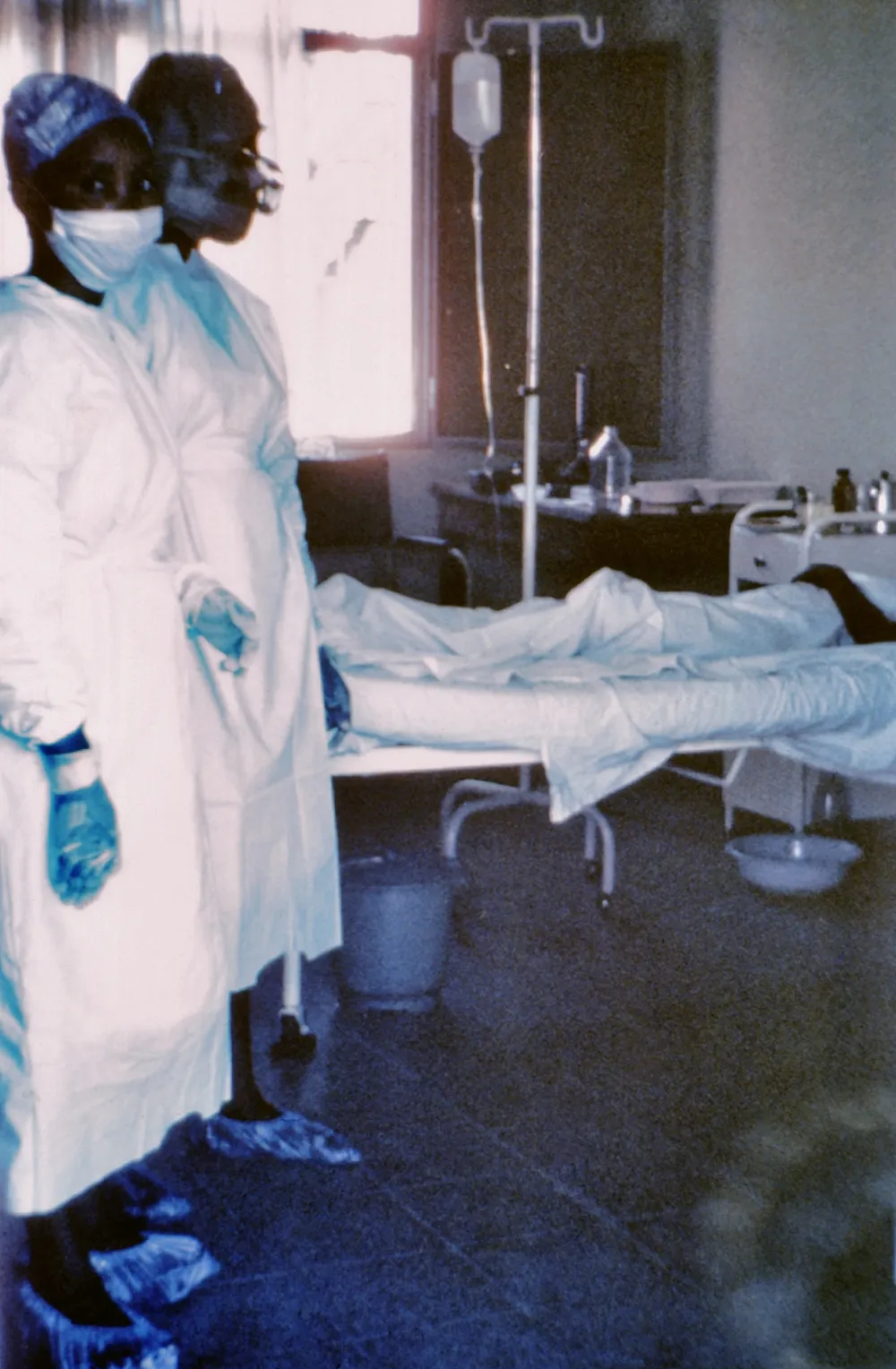
Kinshasa health officials confirmed on Monday that the cumulative number of Ebola cases recorded in the Democratic Republic of the Congo (DRC) since the start of the current outbreak has surpassed 6,000, making it the deadliest episode of the disease in the country’s history. The figure, compiled by the Ministry of Health in partnership with the World Health Organization (WHO), includes both confirmed and probable infections across the provinces of North Kivu, Ituri and South Kivu, where the virus has been circulating since August 2022.
The outbreak follows a pattern of intermittent Ebola flare‑ups that have plagued sub‑Saharan Africa since the disease was first identified in 1976. The virus, transmitted through direct contact with the bodily fluids of infected humans or animals, can cause a rapid progression from fever and muscle aches to severe vomiting, diarrhoea, organ failure and, in many cases, fatal bleeding. Mortality rates have varied widely, from a quarter to nine‑tenths of those infected, depending on the viral strain and the speed with which patients receive supportive care. The current DRC epidemic is driven primarily by the Sudan‑type Ebola virus, which historically has been harder to treat than the more common Zaire strain because it does not respond to the licensed rVSV‑ZEBOV vaccine.
The DRC government, supported by WHO, UNICEF and a coalition of non‑governmental organisations, has intensified its response by deploying additional treatment centres, expanding contact‑tracing teams and accelerating the roll‑out of experimental therapeutics under compassionate‑use protocols. Health officials stress that community engagement is essential; past resistance to safe burial practices and mistrust of health workers have hampered containment efforts. In recent weeks, authorities have announced the establishment of mobile laboratories in the hardest‑hit districts to speed up diagnostic confirmation, a move intended to shorten the interval between symptom onset and isolation.
International partners, including the United Nations and the United States Agency for International Development, have voiced concern over the scale of the outbreak and pledged further funding for personal protective equipment, training of frontline staff and the procurement of monoclonal antibody treatments that have shown promise against the Sudan strain in early trials. However, some critics argue that the response remains fragmented, citing delays in the delivery of supplies to remote areas and the limited availability of the experimental drugs, which are still in limited production. The DRC’s own health ministry has urged donors to prioritize the procurement of these therapeutics, warning that without timely access the death toll could climb even higher.
Local communities, meanwhile, are grappling with the socioeconomic fallout of the epidemic. Restrictions on movement, market closures and the suspension of cross‑border trade have strained livelihoods in the eastern provinces, where agriculture and informal commerce are the main sources of income. Humanitarian agencies report rising food insecurity as households lose breadwinners to the disease or are forced to abandon farms to seek treatment. The convergence of health and economic crises has prompted calls for a more coordinated approach that integrates disease control with food‑aid distribution and cash‑transfer programmes.
The implications of the DRC’s escalating Ebola crisis extend beyond its borders. Global health security frameworks underscore that uncontrolled outbreaks in any region pose a risk of international spread, especially through travel and trade routes that connect Africa with the Middle East, Europe and Asia. While the immediate threat of exportation remains low due to the disease’s requirement for close contact with infected fluids, the outbreak highlights the importance of robust surveillance systems and rapid response capacities worldwide. For Taiwan, which maintains a proactive stance on global health diplomacy, the situation presents an opportunity to contribute expertise in infectious‑disease management and to reinforce its commitment to multilateral health initiatives. Strengthening collaborative ties with the DRC and international partners could also bolster Taiwan’s visibility in the arena of pandemic preparedness, an increasingly salient dimension of regional stability and economic resilience.
Produced by our editorial team, with AI assistance in editing.