Dozens Killed and Injured in High-Speed Train Collision in Central Spain
At least 69 people were killed and 179 others injured following a catastrophic collision between two high-speed trains carrying a combined total of 544 pas
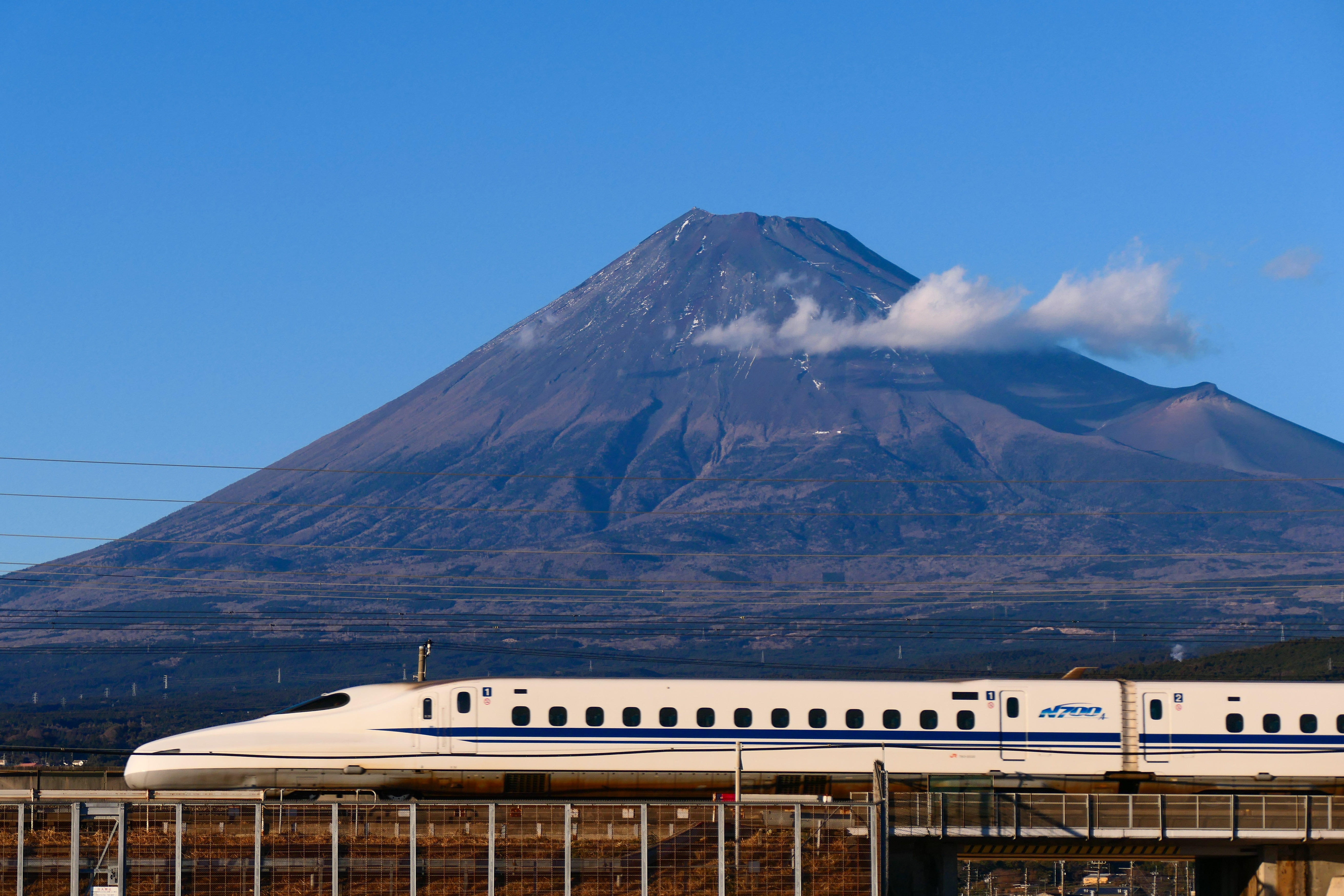
At least 69 people were killed and 179 others injured following a catastrophic collision between two high-speed trains carrying a combined total of 544 passengers. The incident occurred on a stretch of track situated between Los Yébenes and Urda, in the central Spanish province of Toledo. Emergency services rushed to the scene to conduct rescue operations, triage the wounded, and secure the area, as investigators began the arduous task of determining the sequence of events that led to the disaster.
The tragedy strikes at the heart of Spain’s rail infrastructure, which has long been celebrated as one of the most advanced in Europe. Since introducing its high-speed rail network—known as the AVE—decades ago following the global pioneering models set by Japan's Shinkansen and early European adopters like France and Italy, Spain has steadily expanded its dedicated tracks to connect major urban centers across the Iberian Peninsula. The network typically adheres to rigorous safety standards, utilizing specialized rolling stock designed to handle speeds well in excess of conventional rail, making incidents of this magnitude exceptionally rare.
As federal and regional authorities launch a comprehensive inquiry into the Toledo collision, attention has inevitably turned to the systemic complexities of managing high-speed corridors. Modern high-speed rail networks rely heavily on integrated systems, sophisticated signaling, and precise operational coordination to safely maneuver trains running at speeds exceeding 250 kilometers per hour. Investigators will examine whether human error, technical malfunction, or infrastructure vulnerabilities played a role in placing two trains on a collision course along the Toledo route.
The incident poses a significant psychological and political challenge for Spain's transportation sector, which serves as a vital artery for domestic mobility and a point of national pride. European rail networks have generally maintained an enviable safety record compared to other forms of mass transit, despite the immense engineering and logistical challenges of maintaining vast networks of dedicated high-speed tracks. The findings of the Toledo investigation are expected to prompt rigorous safety reviews not only within Spain, but across continental railway systems that share similar high-density operational frameworks.
Beyond its immediate domestic impact, this disaster carries implications for the broader global conversation surrounding the expansion and safety oversight of high-speed rail. As governments worldwide—including Taiwan, which operates its own high-speed rail corridor linking major metropolitan hubs—continue to invest heavily in rapid rail transit as a sustainable backbone for passenger mobility and economic connectivity, the Toledo crash serves as a stark reminder of the unforgiving margins of error inherent in high-velocity transport. Ensuring absolute resilience in signaling technology and infrastructure maintenance remains a paramount priority for any advanced economy relying on high-speed rail for regional integration and daily commerce.
Produced by our editorial team, with AI assistance in editing.