Devastating Cholera Outbreak Hits Sudan's Darfur Refugee Camp, Exacerbating Humanitarian Crisis.
The Displacement Coordination and Management Office for the Darfur Region in Sudan recently released a report stating that between July 5th and July 25th,
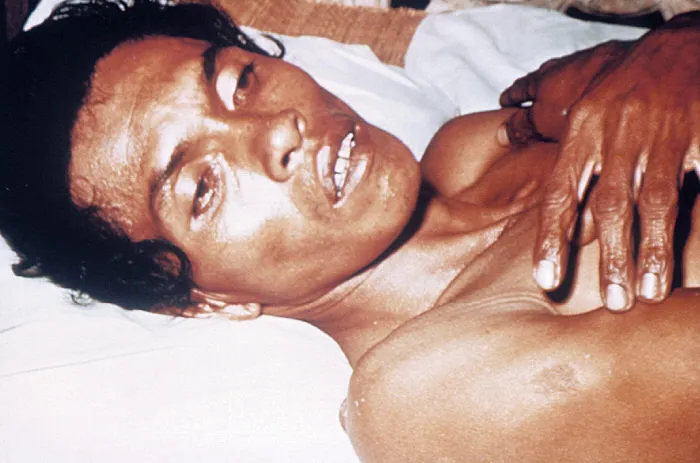
The Displacement Coordination and Management Office for the Darfur Region in Sudan recently released a report stating that between July 5th and July 25th, seven cases of cholera were officially reported in several displacement camps in the region. The outbreak, occurring in an area plagued by ongoing conflict and a nearly collapsed healthcare system, has sparked high alert among international humanitarian organizations, who fear that the vulnerable camps could become a breeding ground for the disease's spread.
Cholera is a severe, acute, small intestine bacterial infection caused by the bacterium Vibrio cholerae. It is primarily transmitted through contaminated water or food sources that have come into contact with patients' feces. After infection, patients may experience profuse watery diarrhea, vomiting, and muscle cramps, which can rapidly lead to severe dehydration, electrolyte imbalance, and even death if not treated within a few hours. Poverty, inadequate sanitation facilities, and lack of safe drinking water have long been the primary factors exacerbating the spread of cholera.
The Darfur Region has been embroiled in Sudan's internal conflict for years, with its basic infrastructure severely damaged and medical supplies in critically short supply. Many displaced persons are forced to reside in camps with poor sanitation conditions. Due to the scarcity of clean water sources and a dysfunctional sewage system, the fundamental hygienic conditions necessary to prevent cholera have almost vanished in the area, making it easy for the bacteria to rapidly spread among the densely populated refugee communities, posing a deadly threat to vulnerable children and the elderly.
In response to the latest outbreak, international humanitarian organizations are actively assessing the region's healthcare and sanitation needs to attempt to deliver purification equipment, oral rehydration salt, and medical supplies into the conflict-torn area. However, due to the ongoing instability, many areas are inaccessible, and rescue materials frequently encounter difficulties in reaching the most vulnerable populations in need, posing a significant challenge to the public health efforts aimed at containing the outbreak.
For Taiwan, although the cholera outbreak in Darfur has no direct geographical or trade-related connections, the event highlights the interconnectedness between humanitarian crises and public health security in contemporary international society. From a global public health perspective, areas plagued by extreme conflict can become incubators for infectious diseases, posing significant humanitarian risks and the possibility of regional disease outbreaks, underscoring the necessity for international attention and support for the development of public health infrastructure in vulnerable regions.
Produced by our editorial team, with AI assistance in editing.