Death Toll Surpasses 100 in Devastating Marketplace Drone Strike in Nyala
The casualty toll from yesterday’s devastating drone strike on a crowded marketplace in Nyala, the capital of South Darfur, has risen sharply, with local m
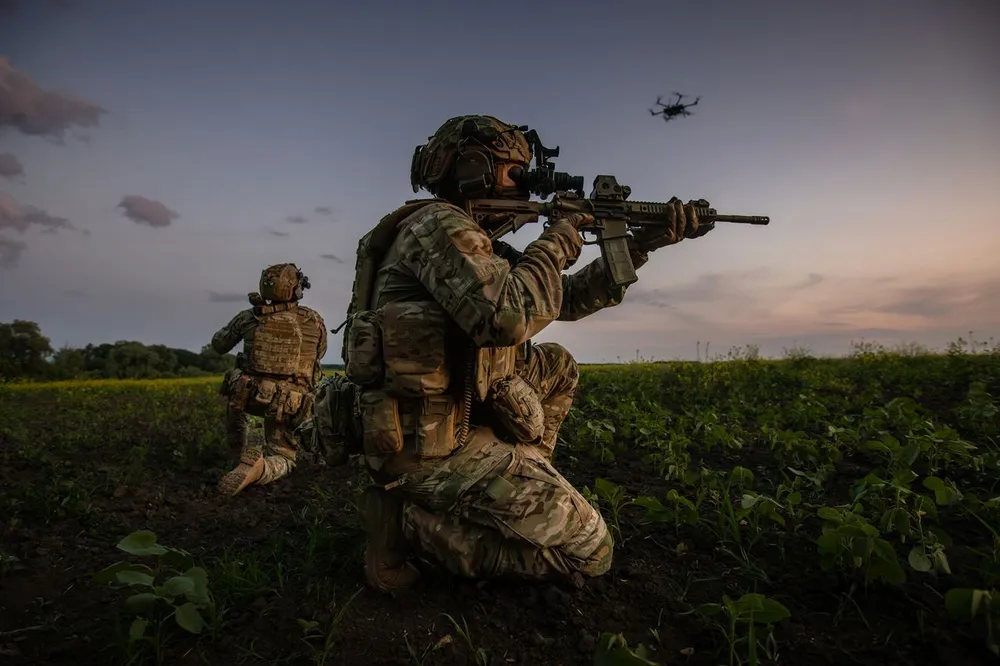
The casualty toll from yesterday’s devastating drone strike on a crowded marketplace in Nyala, the capital of South Darfur, has risen sharply, with local medical officials confirming that over 100 people have been killed and 112 others injured. The attack, which struck one of the few remaining functional commercial hubs in the war-torn region during peak trading hours, represents one of the single deadliest aerial incidents in the ongoing conflict between the Sudanese Armed Forces and the paramilitary Rapid Support Forces.
The proliferation of unmanned aerial systems in the Sudanese civil war marks a dangerous escalation in the technological capabilities deployed by both warring factions. Originally utilized primarily for reconnaissance and surveillance, the conflict has seen an increasing reliance on weaponized drones, including modified commercial platforms and more sophisticated military-grade hardware. These systems have transformed urban and residential centers into frontline battlefields, rendering traditional civilian safe zones virtually non-existent as aerial ordnance can be delivered with high precision and little advance warning.
The use of drones in modern asymmetric conflicts offers combatants an expendable force multiplier that can bypass traditional frontline defenses while minimizing the risk to ground personnel. However, this technological shift has disproportionately impacted civilian populations. Unlike conventional artillery or infantry engagements, unmanned strikes often lack the necessary intelligence oversight or collateral damage mitigation protocols, leading to catastrophic humanitarian consequences in densely populated areas like South Darfur's commercial districts.
International humanitarian organizations and United Nations agencies have repeatedly condemned the indiscriminate use of explosive weapons in populated areas across Sudan, warning that such tactics constitute severe violations of international humanitarian law. Despite mounting global pressure and calls for an immediate cessation of hostilities, neither the Sudanese Armed Forces nor the Rapid Support Forces have shown a willingness to curtail their aerial campaigns, leaving millions of civilians trapped in a compounding humanitarian catastrophe with collapsing medical infrastructure and critical shortages of aid.
For the wider international community, the relentless escalation of drone warfare in regional conflicts highlights the urgent need for tighter export controls and global regulatory frameworks governing dual-use unmanned technologies. As commercial drones and autonomous systems become increasingly accessible to non-state actors and warring factions worldwide, the events in Darfur serve as a grim reminder of how unregulated military technology exacerbates human suffering and destabilizes entire geopolitical regions, threatening international peace and security well beyond East Africa.
Produced by our editorial team, with AI assistance in editing.