Cyclone Arnab Hits Andhra Pradesh, Kills Three, Leaves Widespread Damage
A very severe cyclonic storm, Cyclone Arnab, made landfall on the morning of 28 October near Narasapuram in the West Godavari district of Andhra Pradesh, I
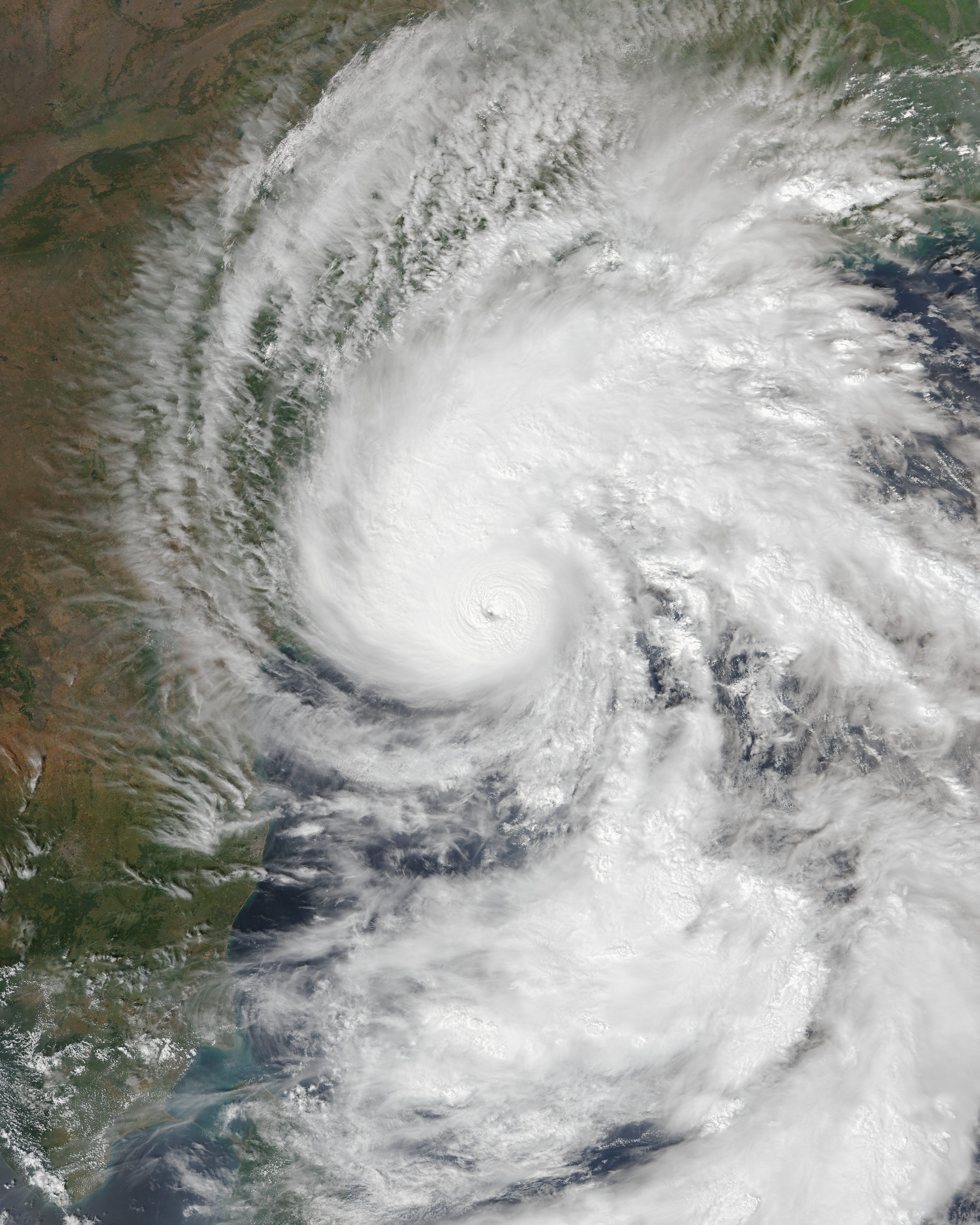
A very severe cyclonic storm, Cyclone Arnab, made landfall on the morning of 28 October near Narasapuram in the West Godavari district of Andhra Pradesh, India, killing at least three people and leaving widespread damage across the coastal state. The Indian Meteorological Department (IMD) issued a 12‑hour warning for the region earlier that day, urging residents to seek higher ground and reinforcing flood‑control structures. Local authorities have begun rescue operations, but the storm’s rapid intensification has already strained emergency services.
Arnab is the eighth low‑pressure system to be designated a depression in the 2026 North Indian Ocean cyclone season, and the first to reach cyclonic storm status. The system began as a weak low on 24 October over the eastern Bay of Bengal, drifting slowly before the IMD upgraded it to a cyclonic storm. Within the following 24 hours, the storm underwent rapid intensification, reaching the very severe category before striking the coast. This trajectory brought the eye directly over Andhra Pradesh’s eastern shoreline, with Odisha on standby for potential secondary impacts. The storm’s forward speed was moderate, allowing it to maintain peak intensity during landfall.
The damage profile has been severe. In the northern districts of Andhra Pradesh, more than 325,000 hectares of crops have been inundated, and at least 180 houses were reported damaged. The storm surge extended as far south as the northern coast of Tamil Nadu, causing coastal flooding and uprooting hundreds of trees. In addition to the immediate humanitarian toll, the cyclone has disrupted transportation, collapsed power lines, and damaged fishing gear—an industry that employs a substantial portion of the local workforce. The IMD noted that Arnab’s wind field and surge were among the most destructive recorded in the region’s recent history.
Authorities in Andhra Pradesh and neighboring states have mobilised the state disaster management authorities, the Indian Army, and the National Disaster Response Force to provide relief and infrastructure repairs. The government has also activated emergency funds and is coordinating with non‑governmental organisations to deliver food, water, and medical supplies. Meanwhile, meteorologists continue to monitor the weakening system as it moves inland, warning of secondary rainfall and potential flash‑flooding in the hinterlands. The IMD has downgraded Arnab to a cyclonic storm by 29 October, but the residual moisture is still expected to produce heavy rainfall over the next few days.
While the immediate focus remains on rescue and recovery, the cyclone’s impact extends beyond Andhra Pradesh’s borders. The Bay of Bengal is a critical maritime corridor for international trade, with numerous shipping lanes that ferry goods to and from the Indian subcontinent and East Asia. Cyclone Arnab’s passage disrupted port operations in the region, temporarily halting the loading and unloading of cargo and raising concerns about delays in supply chains. For countries such as Taiwan, which rely heavily on maritime logistics for both imports and exports—particularly in the semiconductor and electronics sectors—any interruption in the Bay of Bengal can ripple through global supply chains and affect shipping schedules.
In the broader context, the increasing frequency and intensity of cyclones in the Bay of Bengal underscore the growing influence of climate change on regional weather patterns. As the world’s economies become more interconnected, the resilience of infrastructure and the readiness of emergency services in vulnerable coastal zones become critical to maintaining global trade stability. For Taiwan, whose economy is deeply integrated into global supply chains, understanding and anticipating such natural hazards is essential for safeguarding both its domestic industries and its international trade partners.
Produced by our editorial team, with AI assistance in editing.