
Cooking Gas Explosion at Hanoi Hot Pot Restaurant Leaves Seven Dead
An accidental cooking gas explosion ripped through a popular hot pot restaurant in the Vietnamese capital of Hanoi late this week, leaving seven people dea
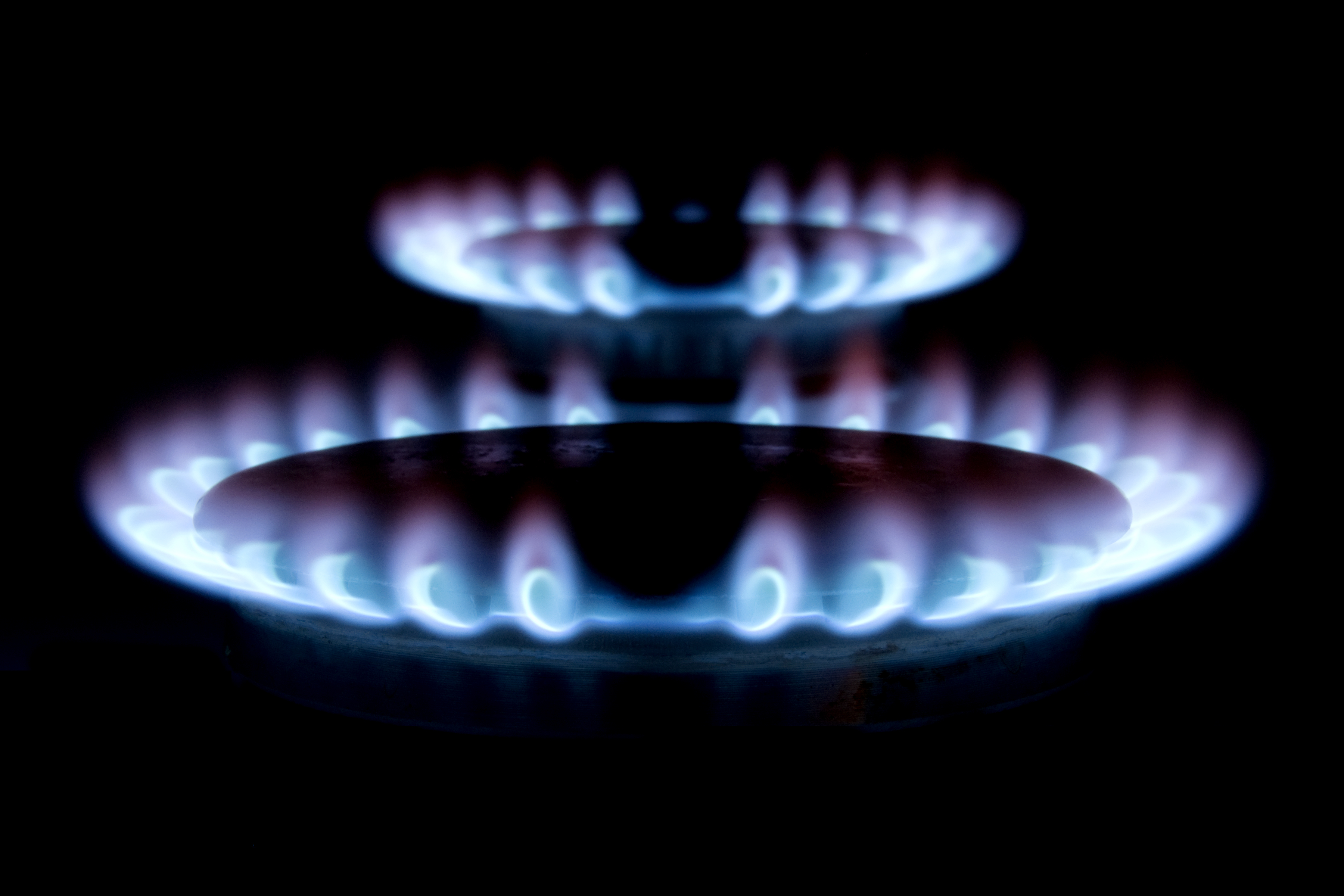
An accidental cooking gas explosion ripped through a popular hot pot restaurant in the Vietnamese capital of Hanoi late this week, leaving seven people dead and nine others injured. Emergency services and local authorities responded swiftly to the scene following the blast, which caused significant structural damage to the establishment and sparked widespread concern over commercial gas safety standards in urban dining venues. Local medical facilities have confirmed that the injured are currently receiving treatment for varying degrees of burns and trauma, while municipal investigators work to determine the precise mechanical or human error that triggered the incident.
The tragedy has cast a spotlight on the inherent risks associated with fuel gases, which are widely utilized across residential, commercial, and industrial sectors globally for their efficiency and ease of distribution. Composed primarily of hydrocarbons such as methane and propane, or mixtures including hydrogen and carbon monoxide, fuel gases provide a reliable, readily transportable energy source delivered via pipelines or stored in liquefied forms like LPG. However, unlike solid or liquid fuels that present different handling challenges, the gaseous state of these energy sources creates unique vulnerabilities. Without rigorous maintenance, proper ventilation, and prompt leak detection, accumulating fuel gas can mix with ambient air to form highly volatile environments capable of catastrophic detonation.
In response to such dangers, international safety protocols generally mandate the inclusion of pungent odorizers—such as sulfur-containing compounds—to ensure that even minor leaks can be detected by smell long before concentrations reach explosive thresholds. Yet, regulatory enforcement and compliance across bustling commercial sectors, particularly in rapidly developing urban centers with dense hospitality industries, remain a persistent challenge for local authorities. Restaurant kitchens, which frequently rely on multiple high-capacity burners and compressed fuel cylinders operating in confined spaces, require stringent inspection regimes and specialized safety equipment to mitigate the risk of accidental ignition.
As Hanoi authorities press forward with their forensic investigation into the restaurant blast, the incident serves as a sobering reminder of the hazards accompanying everyday commercial energy use. Beyond the immediate local grief and regulatory scrutiny, the event resonates across Southeast Asia’s booming service and tourism economies, where rapid modernization often outpaces safety infrastructure. Ensuring the rigorous enforcement of gas handling and kitchen safety standards remains paramount for protecting both patrons and hospitality workers in densely populated metropolitan hubs throughout the region.
Produced by our editorial team, with AI assistance in editing.
