
Chile Retirement Home Fire Claims 16 Lives in Pitrufquén, Investigation Underway
At least 16 people died when a blaze engulfed a retirement home near the town of Pitrufquén in Chile’s southern Cautín Province on Tuesday, with ten reside
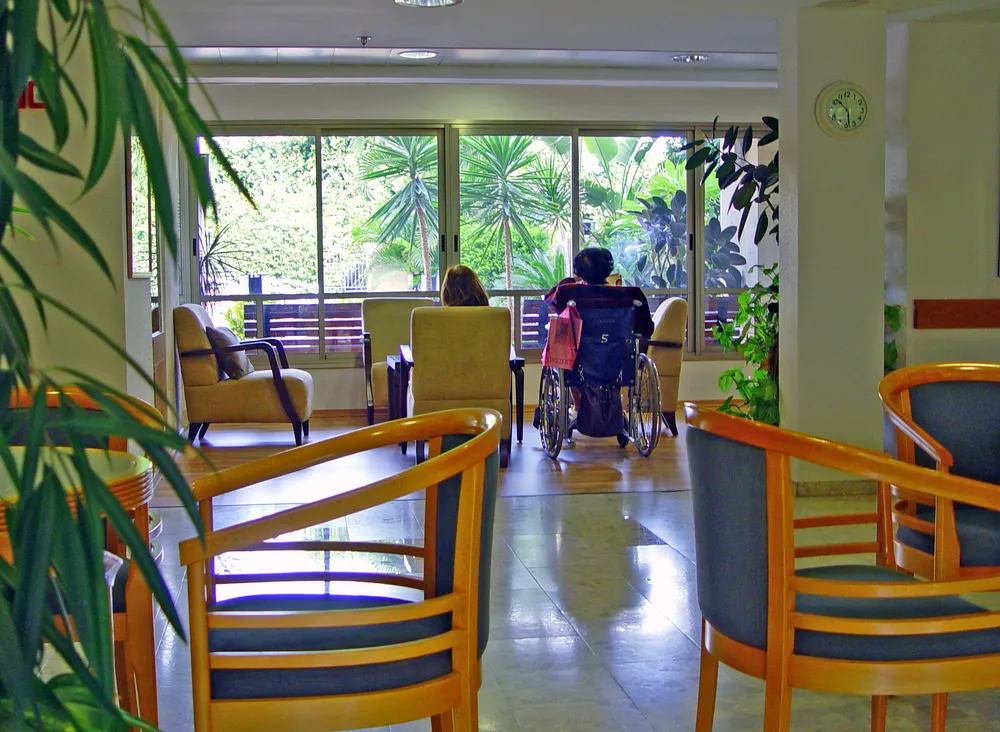
At least 16 people died when a blaze engulfed a retirement home near the town of Pitrufquén in Chile’s southern Cautín Province on Tuesday, with ten residents rescued and hospitalized. The fire, which broke out in the early hours, spread rapidly through a multi‑unit facility that houses elderly residents in apartment‑style units with en‑suite bathrooms and shared communal spaces for meals and recreation. Emergency crews arrived within minutes, but the building’s flammable interior finishes and the limited number of exit routes contributed to the high fatality count. A preliminary investigation by the local fire department has not yet identified the ignition source, and the incident is being treated as a potential criminal offence pending a formal inquiry.
Retirement homes in Chile are privately operated facilities that provide a blend of housing, basic personal care and social activities for seniors who are generally independent but prefer a community setting. Unlike nursing homes, which offer continuous medical oversight and assisted care, retirement homes focus on maintaining residents’ autonomy while offering services such as meal preparation, fall‑prevention programs and security monitoring. The Chilean Ministry of Health regulates these institutions under the “Instituciones de Atención de Personas Mayores” framework, setting standards for staffing ratios, hygiene, and emergency preparedness. Despite these regulations, the country has seen a series of safety incidents in the past decade, prompting calls from advocacy groups for stricter enforcement and better fire‑suppression equipment in older facilities.
The response to the Pitrufquén fire has highlighted gaps in emergency planning for elderly care centers. Local officials reported that the building’s fire alarms were either offline or not audible throughout the complex, and that many residents were asleep in rooms that did not have direct access to a fire exit. The provincial governor’s office issued a statement urging the Ministry of Health to conduct a nationwide audit of fire safety compliance in all senior‑living facilities and to provide funding for fire‑suppression upgrades, including automatic sprinkler systems and smoke‑detector networks. Families of the victims have called for a transparent investigation and for compensation measures for those who lost loved ones or suffered injuries.
The tragedy also places a spotlight on Chile’s demographic shift. The country’s population of people aged 65 and older is projected to double by 2050, and the demand for senior‑living services is expected to rise sharply. In 2023, the Ministry of Health reported that Chile had over 200 retirement homes, many of which were established in the 1990s and have not been retrofitted to meet contemporary fire‑safety codes. The Pitrufquén incident, therefore, serves as a stark reminder of the need for proactive policy reforms that balance affordability with safety. The government has already announced a new budget allocation for upgrading emergency systems in vulnerable housing, but critics argue that the funding will not be sufficient to cover all facilities in time.
For the wider region, the fire underscores the importance of stringent safety standards in aging‑care infrastructure. Latin America’s aging populations are growing at a rapid pace, and countries such as Argentina, Mexico and Brazil have also grappled with incidents in nursing homes and assisted‑living facilities. The incident could prompt a regional review of building codes, especially in rural and peri‑urban areas where regulatory oversight is weaker. Moreover, it may influence supply chains for fire‑suppression equipment and training, encouraging domestic manufacturers of sprinkler systems and emergency lighting to expand their market reach.
In sum, the Pitrufquén tragedy is not only a devastating loss of life but also a catalyst for broader discussions on elderly care, building safety, and public policy in Chile and beyond. The outcomes of the ongoing investigation and the government’s subsequent policy response will likely shape how countries in the region address the safety of their aging populations in the coming years.
Produced by our editorial team, with AI assistance in editing.
