
Central Syria flash floods claim five lives, including four children.
Heavy rainfall across central Syria on Tuesday triggered flash floods that have already claimed at least five lives, including four children, and left seve
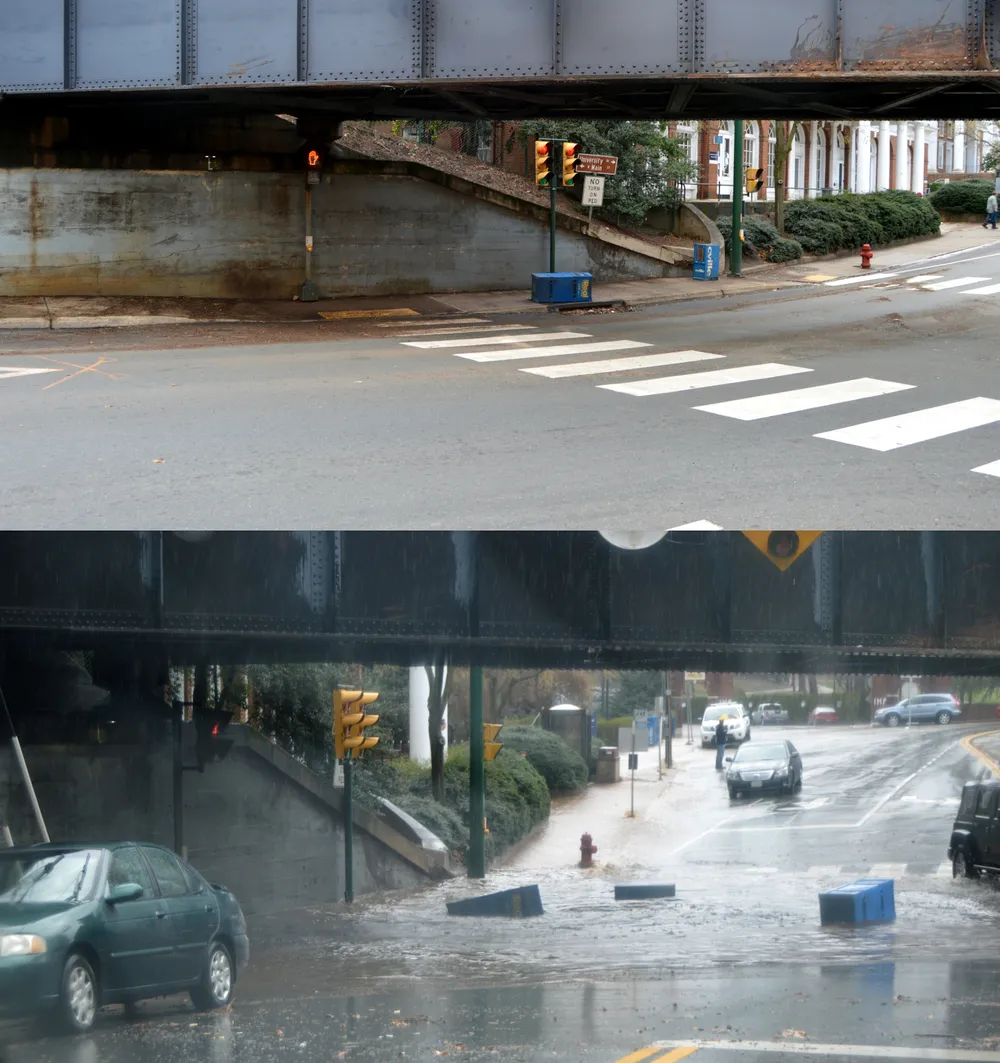
Heavy rainfall across central Syria on Tuesday triggered flash floods that have already claimed at least five lives, including four children, and left seven people wounded and five others missing. The sudden deluge struck low‑lying villages and displacement camps, forcing residents to flee into nearby hills and rivers. Local authorities reported that the water rose within minutes, sweeping away homes, roads, and livestock, and they have appealed for urgent search and rescue operations. The National Red Crescent and Syrian Ministry of Civil Defence are coordinating field teams while international aid agencies await access to the hardest‑hit areas.
Flash floods are a rapid inundation of low‑lying terrain, often occurring within six hours of intense rainfall or rapid snowmelt. Unlike gradual river overflows, these events can catch communities off‑guard, as the water rises too quickly for people to evacuate or for infrastructure to cope. They are frequently associated with severe thunderstorms, tropical systems, or sudden meltwater from ice and snow, and can be exacerbated by the failure of natural or man‑made dams. In the United States, for example, flash floods are a leading cause of accidental death each year, surpassing lightning, tornadoes, and hurricanes.
Syria’s vulnerability to such disasters is heightened by decades of conflict and the resulting degradation of its water‑management infrastructure. Many rural drainage systems have been damaged or abandoned, while displacement camps are often situated in flood‑prone valleys and low‑lying plains. The lack of proper drainage, coupled with widespread erosion of riverbanks, means that even moderate rains can produce catastrophic flooding. Climate‑change models suggest that the Mediterranean region is expected to experience more intense precipitation events in the coming years, further increasing the risk of flash floods.
In response to the tragedy, the Syrian government has declared a state of emergency in the affected governorates and pledged to deploy additional emergency medical teams. The United Nations Office for the Coordination of Humanitarian Affairs (OCHA) has requested immediate humanitarian assistance, including food, clean water, and temporary shelters for those displaced. Humanitarian agencies have emphasized the need for rapid assessment of damaged infrastructure and the establishment of early warning systems to mitigate future incidents. Meanwhile, international donors are reviewing funding proposals to support both immediate relief and longer‑term resilience measures.
The floods threaten not only human lives but also the fragile agricultural base that sustains many rural communities. Crops have been washed away, livestock lost, and soil quality degraded, raising concerns about food security in an already strained region. Additionally, the damage to transportation routes could disrupt supply chains for essential goods, including medical supplies and foodstuffs, and may have ripple effects on neighboring countries that depend on Syrian agricultural exports. In the broader geopolitical context, ongoing instability hampers rescue efforts and could prolong the displacement crisis, potentially leading to further migration pressures on regional partners.
For Taiwan and the wider region, the Syrian floods underscore the universal importance of climate adaptation and disaster preparedness. Taiwan, which regularly faces typhoons and heavy monsoon rains, can draw lessons from Syria’s experience in strengthening drainage systems and establishing rapid response protocols. On a regional scale, the event highlights how extreme weather can destabilize supply chains, affect food and energy markets, and exacerbate humanitarian crises, reinforcing the need for coordinated international support and resilient infrastructure to safeguard vulnerable populations.
Produced by our editorial team, with AI assistance in editing.
