
Car Bomb Explosion Outside Government Building in Colombia Injures 21
A severe terrorist attack occurred in the central Colombian city of Villavicencio, where a car bomb was placed and detonated near a government building in
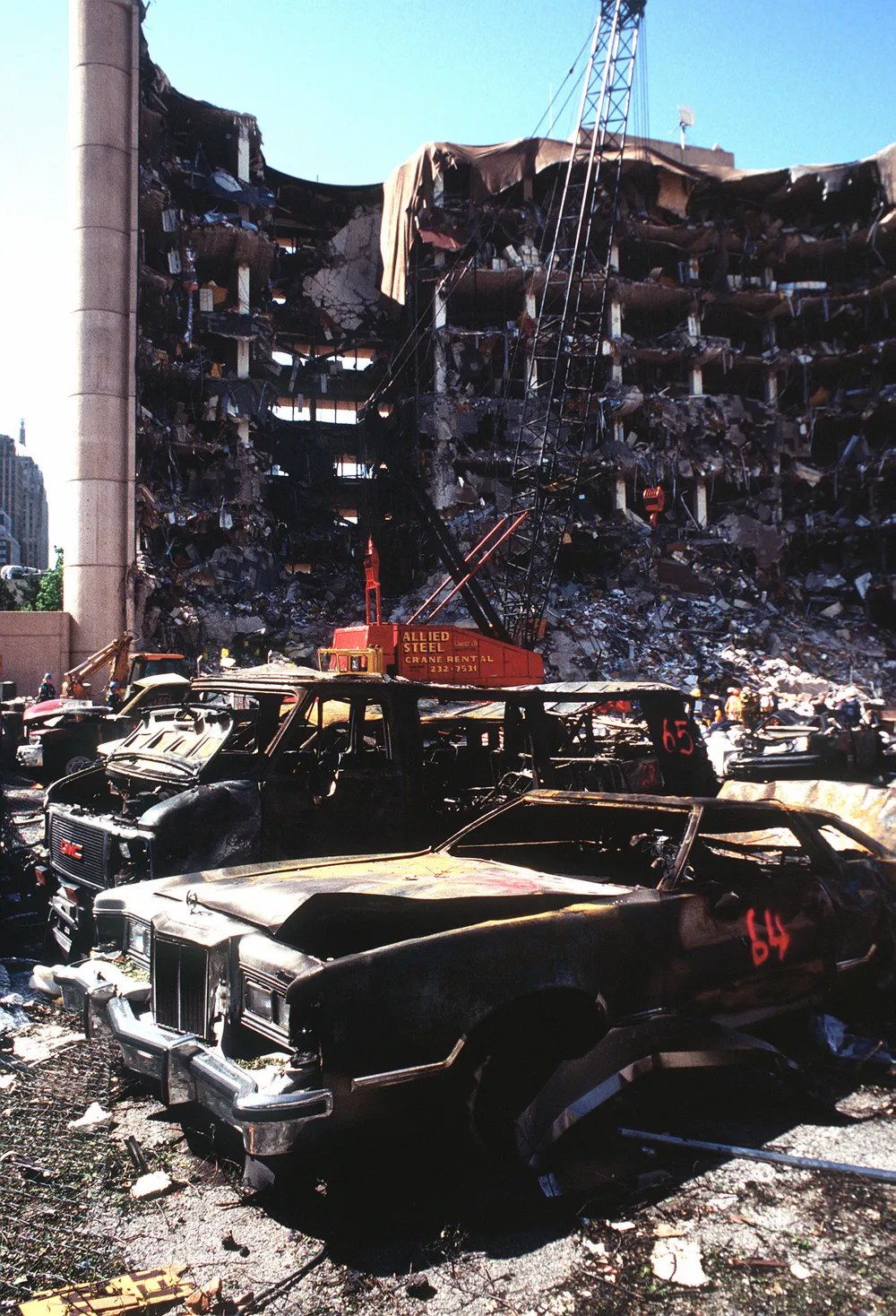
A severe terrorist attack occurred in the central Colombian city of Villavicencio, where a car bomb was placed and detonated near a government building in the downtown area, leaving at least 21 people injured. The powerful explosion not only damaged surrounding buildings and multiple moving vehicles, but also cast a shadow over local security and counter-terrorism efforts, drawing international attention to the country's security situation.
The attack took place near the Meta provincial government building in downtown Villavicencio. Following the blast, a loud noise echoed through the area, and thick black smoke billowed into the sky. Windows of nearby buildings were shattered, and numerous vehicles were damaged, leaving the scene in disarray. Emergency responders rushed to the scene and transported the 21 injured individuals to nearby hospitals, some of whom sustained severe injuries. Colombian security forces and police have cordoned off the area and are making every effort to track down the perpetrators and trace the origin of the bomb.
In military and counter-terrorism tactics, a car bomb is classified as a vehicle-borne improvised explosive device (VBIED), an attack weapon in which explosives are concealed inside a car, truck, or other vehicle. Such weapons generally fall into two main categories: assassinations targeting specific individuals inside a vehicle, or the use of vehicles as cover to transport large quantities of explosives to specific locations for indiscriminate attacks or structural destruction. Because vehicles provide camouflage and can transport hundreds or even thousands of pounds of explosives without arousing suspicion, they have long been a key tool for guerrillas, drug cartels, and terrorist organizations to launch terrorist attacks or guerrilla warfare.
Colombia has long suffered from domestic armed conflict and violence driven by drug cartels. Although the Colombian government has continued to pursue peace negotiations or crackdowns against multiple left-wing guerrilla groups and criminal organizations in recent years, security in certain regions remains fragile. This attack near a provincial government office demonstrates that anti-government forces or local armed groups still possess the capability to launch high-casualty terrorist attacks in urban centers, posing a severe challenge to the current government's law enforcement and national security policies.
For Taiwan, although regional conflicts in South America are geographically distant and the security situation differs greatly from Taiwan's social environment, this incident highlights the brutality and unpredictability of non-traditional security threats and terrorist tactics. In the era of globalization, infrastructure protection, counter-terrorism response mechanisms for government agencies, and the control of high-risk explosives across borders and domestic logistics are all critical issues that countries cannot afford to overlook in maintaining social stability. Paying attention to such international security events also helps readers understand the security challenges arising from different geopolitical and domestic conflicts around the world.
Produced by our editorial team, with AI assistance in editing.
