
Bus overturns in Egypt's South Sinai, killing 21, injuring 28; brake failure suspected
A bus overturning near the mountain road that leads to Mount Saint Catherine in the eastern part of the South Sinai Governorate occurred at about 2 a.m. on
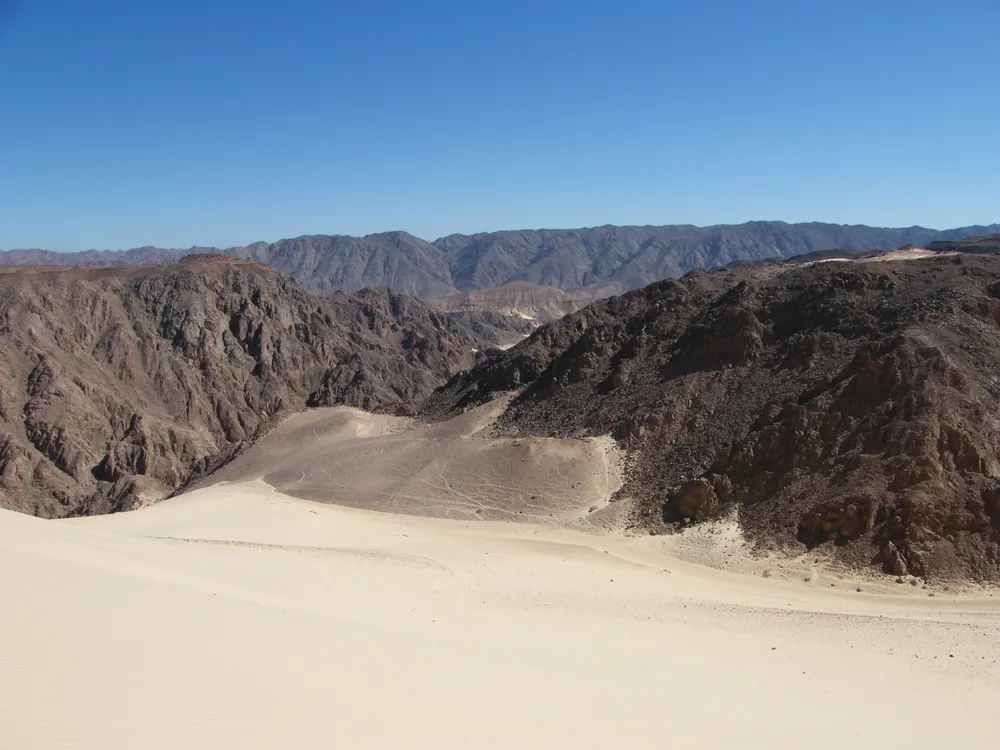
A bus overturning near the mountain road that leads to Mount Saint Catherine in the eastern part of the South Sinai Governorate occurred at about 2 a.m. on 12 August 2026. The crash killed at least 21 people and injured 28. The vehicle was carrying more than 50 passengers, most of whom were tourists heading to the site and local residents. Rescue teams arrived promptly after the call was received, transported the injured to the nearby Hila Hospital, and the death toll rose during the rescue operation.
The Egyptian Ministry of Transport said preliminary investigations indicate that the bus may have lost control due to a brake‑system failure and overloading. The stretch of road is classified as hazardous because of its steep gradient and limited visibility. Authorities have closed the affected section, deployed military police and fire‑fighting units to assist in evacuating trapped passengers, and are providing emergency assistance funds to the families of the victims. The Egyptian Presidency also issued a statement expressing condolences to the deceased and ordering relevant agencies to tighten safety inspections of tourist buses.
South Sinai comprises the southern half of Egypt’s largest peninsula, the Sinai Peninsula, and is the country’s least densely populated governorate. The area is renowned for Saint Catherine’s Monastery, a UNESCO World Heritage site that draws Christian pilgrims and cultural tourists from around the world. In addition to religious tourism, the Red Sea coastline of South Sinai is a popular destination for diving and beach vacations, receiving several hundred thousand international visitors annually. Transportation infrastructure is relatively weak; many roads that lead to attractions are single‑lane and lack adequate safety facilities.
In recent years the Egyptian government has pursued infrastructure upgrades and safety‑improvement programmes to boost the competitiveness of its tourism sector, yet traffic accidents remain frequent. At the end of last year, another bus overturning in the same region caused multiple casualties, highlighting deficiencies in road management and vehicle maintenance. Such incidents not only jeopardize traveler safety but also undermine the local economy that depends on tourism revenue, prompting both domestic and foreign tour operators to reassess itinerary risks and insurance arrangements.
For Taiwan, the accident serves as a reminder that Taiwanese travelers heading to Egypt—particularly remote areas such as the Sinai Peninsula—must pay close attention to transport safety and local infrastructure conditions. Taiwanese travel agencies and related authorities should strengthen pre‑departure briefings, provide up‑to‑date road‑condition information and emergency contacts, and encourage travelers to purchase appropriate travel accident insurance. Although direct trade between Taiwan and Egypt is modest, tourism and cultural exchange remain important links between the two societies. If safety incidents like this are not properly addressed, they could erode Taiwanese confidence in traveling to the region, potentially affecting future tourism and cultural interactions.
Produced by our editorial team, with AI assistance in editing.