
Bus crash in Egypt's South Sinai kills 22, injures 28, includes ten Jordanians
A tourist bus carrying a mixed group of passengers overturned on a highway near the town of Nuweiba in Egypt’s South Sinai region on Monday morning, killin
A tourist bus carrying a mixed group of passengers overturned on a highway near the town of Nuweiba in Egypt’s South Sinai region on Monday morning, killing at least 22 people and wounding 28 others, authorities said. Among the dead were ten Jordanian nationals, a fact that prompted immediate contact between Egyptian officials and the Jordanian embassy in Cairo. Rescue crews worked through the afternoon to retrieve bodies and transport the injured to nearby hospitals, while investigators began probing the cause of the crash, which appears to involve a sudden loss of control on a steep, winding stretch of road.
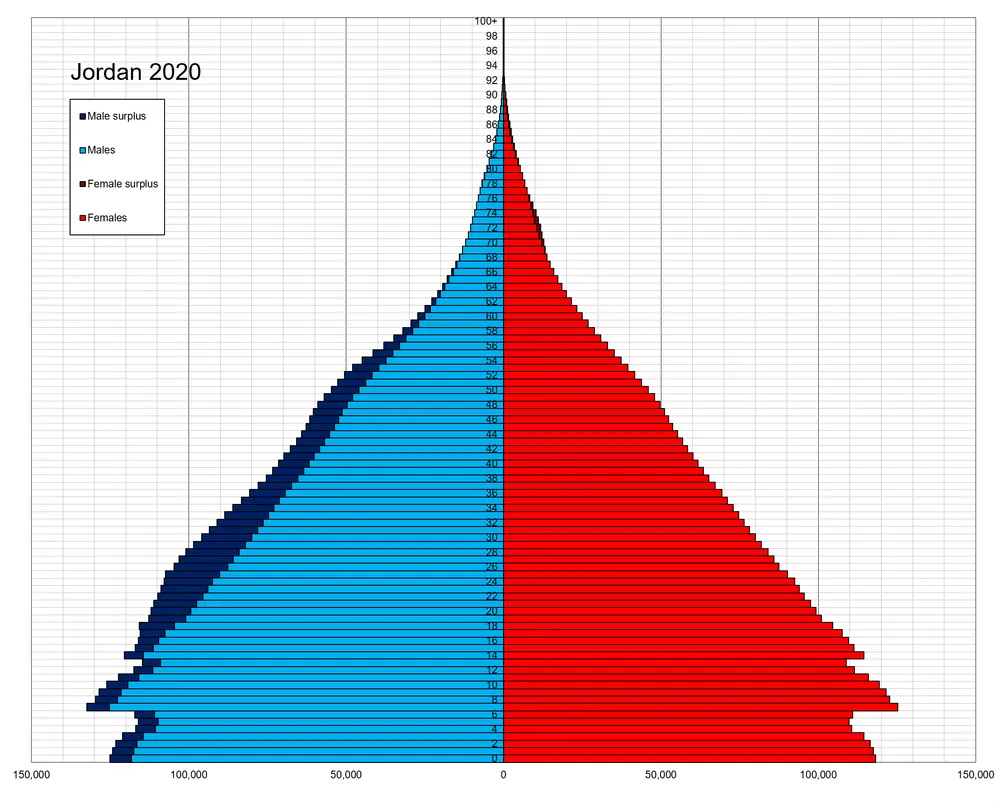
The victims’ nationalities reflect the growing number of Jordanians who travel abroad for leisure, business and family visits. Jordan, a nation of just over 11 million people, has a youthful and increasingly mobile population. While roughly 98 percent of its citizens identify as Arab, a sizeable minority trace roots to Palestinian, Circassian, Chechen, Assyrian, Armenian and Kurdish communities. In recent years, the country has seen a surge in outbound tourism, driven by rising incomes, a strong diaspora network and the widespread use of English alongside Arabic in commerce and government. Jordanians frequently visit neighboring Gulf states, Europe and, increasingly, the Red Sea corridor, drawn by its historic sites and resort facilities.
South Sinai, a key segment of Egypt’s tourism sector, has long been a magnet for visitors from the Levant, including Jordan, due to its proximity and the appeal of destinations such as Sharm el‑Sheikh, Dahab and the biblical‑linked Mount Sinai. The region’s economy depends heavily on foreign tourists, who support hotels, transport operators and local merchants. However, the rugged terrain and narrow mountain roads that connect the coastal resorts have also been the scene of periodic accidents, prompting calls from both Egyptian and foreign authorities for stricter safety oversight and better driver training.
Jordan’s government responded swiftly, with the Ministry of Foreign Affairs issuing a statement expressing “deep sorrow” over the loss of its citizens and pledging full cooperation with Egyptian investigators. The embassy in Cairo dispatched consular staff to the crash site to assist families, while the Ministry of Interior announced that it would provide financial assistance to the victims’ families in line with existing bilateral protocols. Egyptian officials, for their part, confirmed that a joint investigative team comprising traffic police, the Ministry of Transport and representatives from the Jordanian embassy would examine vehicle maintenance records, driver qualifications and road conditions to determine liability.
The tragedy underscores broader challenges facing regional tourism, where safety standards, infrastructure maintenance and emergency response capabilities can vary widely. For Jordan, the incident highlights the vulnerability of its sizable diaspora and traveling public, many of whom rely on private operators for cross‑border journeys. It also brings to the fore the importance of diplomatic coordination in crisis management, as both nations work to reassure travelers and preserve the flow of visitors that sustains local economies.
While the accident does not directly involve Taiwan, the incident resonates with wider considerations of travel safety and supply‑chain resilience that affect the global tourism industry, including Taiwanese outbound travelers and businesses. As Taiwan’s airlines and tour operators expand routes throughout the Middle East and North Africa, ensuring robust safety standards and effective emergency protocols becomes increasingly pertinent. The South Sinai crash serves as a reminder that cross‑border travel, while economically beneficial, carries inherent risks that require coordinated oversight among governments, transport providers and international partners.
Produced by our editorial team, with AI assistance in editing.
