British far-right activist Tommy Robinson convicted of harassing two journalists
British far-right activist Tommy Robinson has been convicted of harassing two journalists and causing them to fear violence, marking a significant legal de
British far-right activist Tommy Robinson has been convicted of harassing two journalists and causing them to fear violence, marking a significant legal development in ongoing efforts by UK authorities to curb targeted intimidation by extremist figures. Robinson, whose real name is Stephen Yaxley-Lennon, was found guilty following a court proceeding that scrutinized his aggressive confrontations with members of the press. The ruling underscores the intensifying legal scrutiny facing prominent agitators who leverage digital platforms to mobilize followers against perceived adversaries.
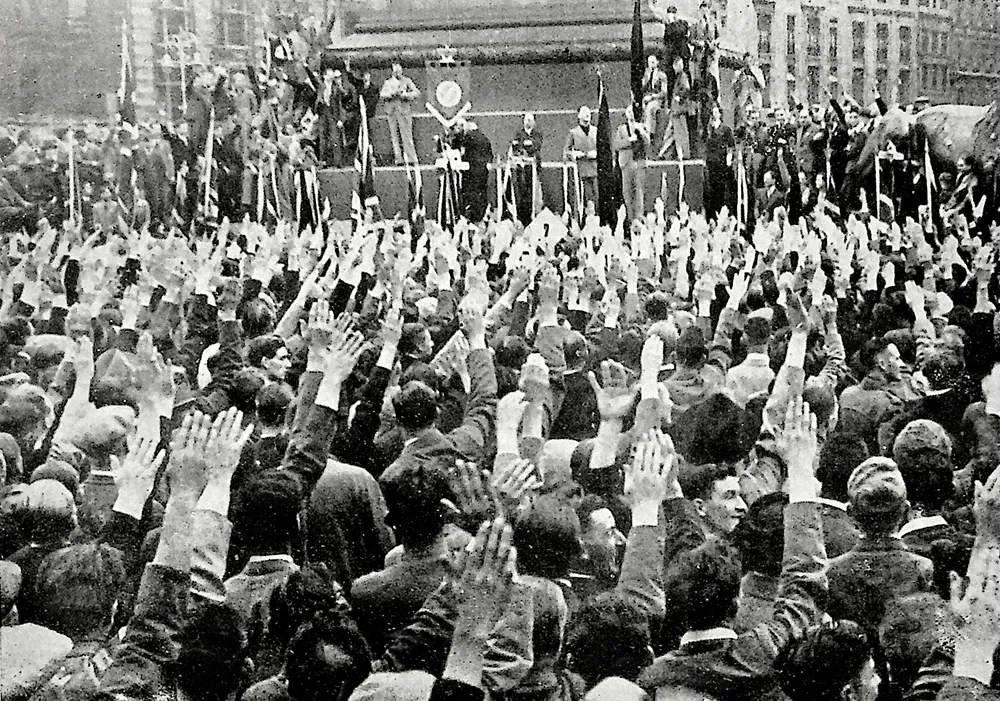
The conviction arrives against the backdrop of a long-standing and evolving far-right movement in the United Kingdom, which traces its origins back to the early 20th century. Ideologies within this spectrum have historically ranged from populist radicalism to overt fascism and neo-Nazism, encompassing various iterations of antisemitic, Islamophobic, and ultranationalist factions. While mainstream British politics has consistently marginalized these groups electorally, their figures have periodically exploited social grievances, economic anxiety, and cultural shifts to gain visibility and stoke public division.
Scholars studying extremism in Britain typically distinguish between the radical right—which generally operates within the framework of electoral democracy while challenging core tenets of liberalism—and the extreme right, which rejects democratic governance outright. However, contemporary analysts frequently note porous boundaries between these categories, particularly in the digital age. In recent decades, the landscape has shifted from traditional street-level fascism to decentralized online ecosystems, where figures like Robinson cultivate transnational followings through anti-establishment narratives, cultural nationalism, and hostile rhetoric directed at journalists, minorities, and state institutions.
The prosecution of high-profile actors for harassment and public order offenses highlights the legal challenges democratic societies face in balancing freedom of expression with the protection of public safety and the press. As extremist networks increasingly utilize intimidation tactics to silence scrutiny, British judicial authorities have leaned on existing criminal statutes to hold agitators accountable. Legal experts view such convictions as critical precedents for deterring targeted harassment, though debates persist over how effectively the law can address the underlying drivers of radicalization.
For the international community and observers in the broader Indo-Pacific, developments surrounding the regulation of extremist rhetoric and the protection of democratic norms in major Western democracies resonate with similar global challenges. As democratic governments grapple with the polarization fueled by digital disinformation and the harassment of independent media, the UK's handling of far-right agitators offers a barometer for how open societies seek to defend institutional integrity and the safety of public watchdogs against domestic radical threats.
Produced by our editorial team, with AI assistance in editing.