
Blast at Kabul primary school injures at least eight, including children
A blast at a primary school in Kabul’s Dashte Barchi neighbourhood on Tuesday morning wounded at least eight people, including several children, according
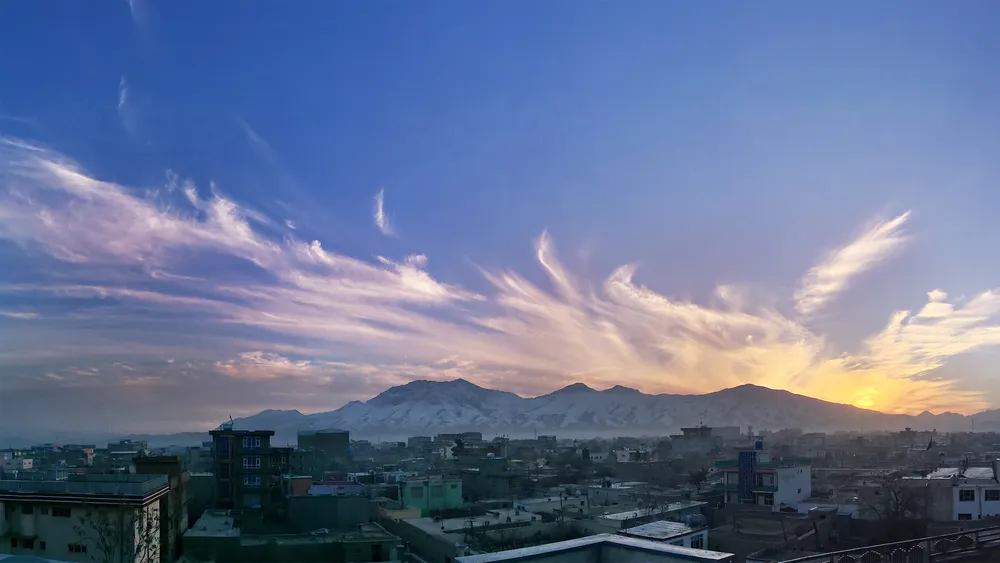
A blast at a primary school in Kabul’s Dashte Barchi neighbourhood on Tuesday morning wounded at least eight people, including several children, according to local officials. The explosion occurred inside the school’s courtyard, where students had been gathering for a morning assembly. Emergency services rushed the injured to nearby hospitals, and security forces cordoned off the area while investigators search for evidence. No group has claimed responsibility, and the Taliban administration has urged calm and promised a thorough inquiry.
Dashte Barchi, a working‑class district on the western edge of Kabul, has a population of roughly 317,000 residents. The area was largely undeveloped farmland until the early 2000s, when the Kabul Municipality began a large‑scale urbanization programme. Its growth has been fueled by migrants from surrounding provinces—Bamyan, Daikundi, Ghazni, Maidan Wardak and Parwan—as well as returnees from Iran, Pakistan and Turkey. The majority of its inhabitants are Hazara, a Shia ethnic group that has historically faced persecution in Afghanistan. The neighbourhood’s demographic makeup has made it a frequent target for anti‑Shia extremist groups.
Since the Taliban seized power in 2021, the city has seen a spate of attacks by the Islamic State – Khorasan Province (ISKP) and other jihadist factions. These groups have repeatedly targeted Hazaras in public spaces, including markets, mosques and schools, to foment sectarian violence and undermine the Taliban’s claim of security. In 2022, a roadside bomb in Dashte Barchi killed a dozen civilians, and a mortar attack on a Hazara‑owned shop earlier this year left several injured. The latest explosion adds to a disturbing pattern of violence that has eroded community confidence and disrupted daily life.
The school that suffered the blast is a public institution serving the local youth. Teachers reported that the building had been damaged but structurally intact. The attack not only harmed the physical safety of students and staff but also disrupted the education of hundreds of children who rely on the school for their daily learning. Community leaders have called for tighter security around schools and for the Taliban to address the persistent threat posed by extremist groups. Meanwhile, the Taliban’s spokesperson for security affairs pledged a “robust investigation” and urged the public to avoid panic.
In the broader context, this incident underscores the fragile security environment in Afghanistan’s capital, where the Taliban’s governance is still contested by insurgent factions. The ongoing instability hampers the country’s economic recovery, discourages foreign investment, and complicates humanitarian assistance. For the international community, the attack serves as a reminder that the threat of sectarian violence remains high, even as the Taliban attempts to consolidate control. While the event has no direct implications for Taiwan, it highlights how regional security dynamics—particularly in the fragile Central Asian corridor—can influence global supply chains, including those for rare earth minerals and energy resources that are critical to technology industries worldwide.
Produced by our editorial team, with AI assistance in editing.
