Barcelona Student Protest Turns Violent as Clashes and Looting Erupt Downtown
A student demonstration in Barcelona descended into violent clashes with law enforcement on Tuesday, resulting in widespread property damage, looting, and
A student demonstration in Barcelona descended into violent clashes with law enforcement on Tuesday, resulting in widespread property damage, looting, and multiple arrests across the northeastern Spanish metropolis. What began as a mobilized march organized by student groups quickly deteriorated as fringe elements broke away from the main procession, targeting commercial establishments, setting fire to street furniture, and hurling projectiles at riot police deployed to secure the downtown area.
Law enforcement authorities responded with crowd-control tactics, including baton charges and the deployment of foam rounds, after attempts to de-escalate the situation failed. Several storefronts in the city’s commercial districts suffered significant structural damage and theft amid the chaos, while emergency services treated numerous individuals for minor injuries sustained during the confrontations. Municipal authorities have since condemned the violence, emphasizing that while the right to peaceful assembly remains protected, unlawful acts and vandalism will be met with a strict judicial response.
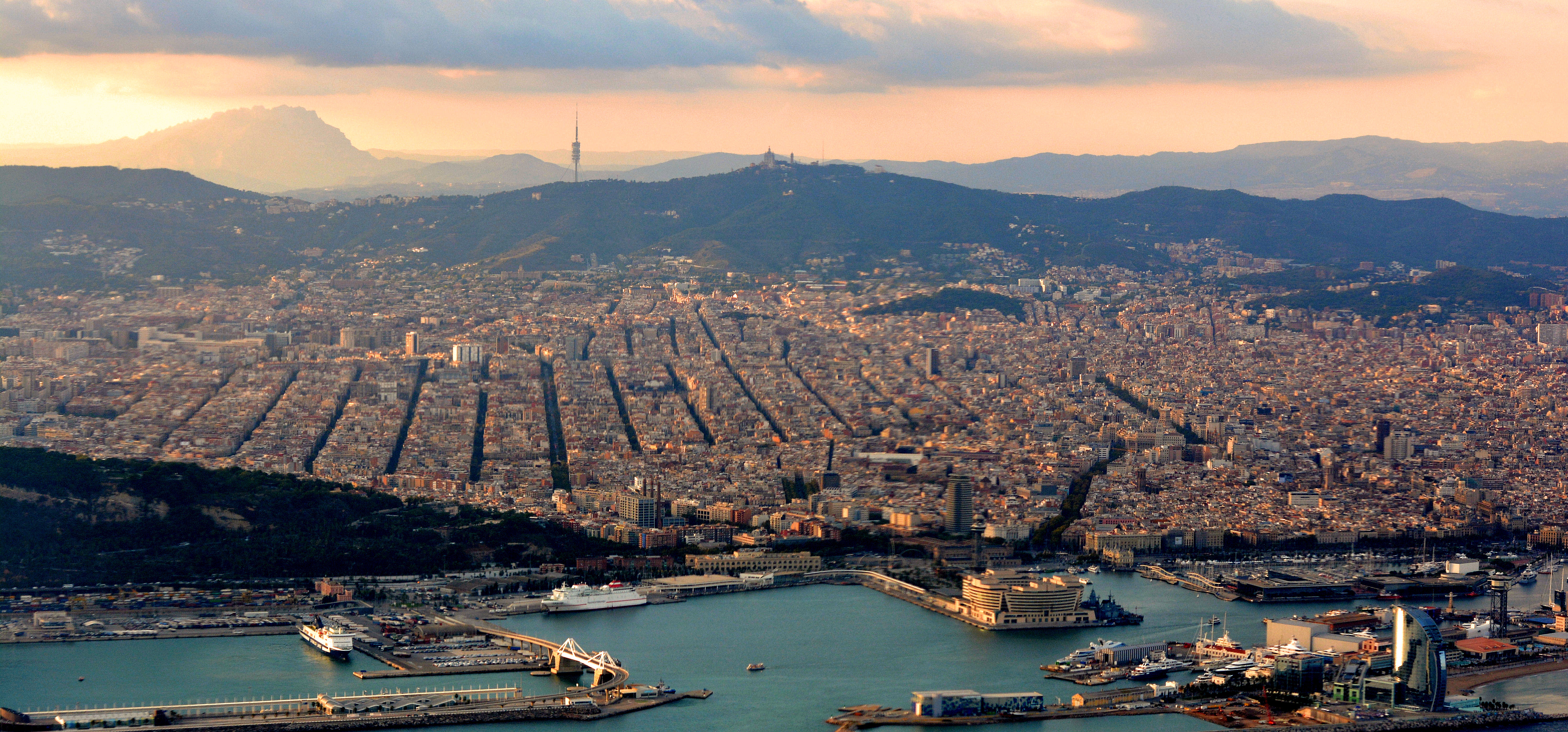
The unrest occurs against a backdrop of deep-seated socioeconomic and political tensions within Catalonia’s capital, a historic Mediterranean hub of 1.7 million residents and the anchor of a broader urban agglomeration home to nearly 5.7 million people. As the second-most populous municipality in Spain and the economic engine of the autonomous community, Barcelona has frequently served as a focal point for civic mobilization, ranging from regional independence movements to localized labor and student grievances over housing costs, employment prospects, and public funding for education.
The dynamics of these demonstrations often reflect a complex interplay between mainstream political activism and radicalized splinter groups capable of rapidly hijacking peaceful assemblies. Student organizations have increasingly voiced frustrations regarding the rising cost of living and systemic economic pressures affecting younger demographics in Spain. However, municipal officials and civic leaders have drawn a sharp distinction between legitimate public discourse and the destructive tactics employed by agitators, which routinely strain local emergency resources and disrupt commercial activity in the regional capital.
While localized civil unrest in Western Europe primarily remains a domestic matter of law enforcement and urban governance, major economic centers like Barcelona play a critical role in the broader stability of the European Union's fifth-largest urban economy. Sustained disruptions in key commercial corridors not only impact local retail and tourism sectors but also test the capacity of municipal administrations to balance democratic freedoms with public security. For international observers and trade partners monitoring the eurozone, the ability of Spanish authorities to manage urban tensions without compromising institutional stability remains a key indicator of regional resilience.
Produced by our editorial team, with AI assistance in editing.