Bank of Canada raises rate to 2.5% to tackle inflationary pressures.
The Bank of Canada (BoC) raised its policy interest rate by 25 basis points to 2.5 % in a decision announced on Tuesday, marking the institution’s first hi
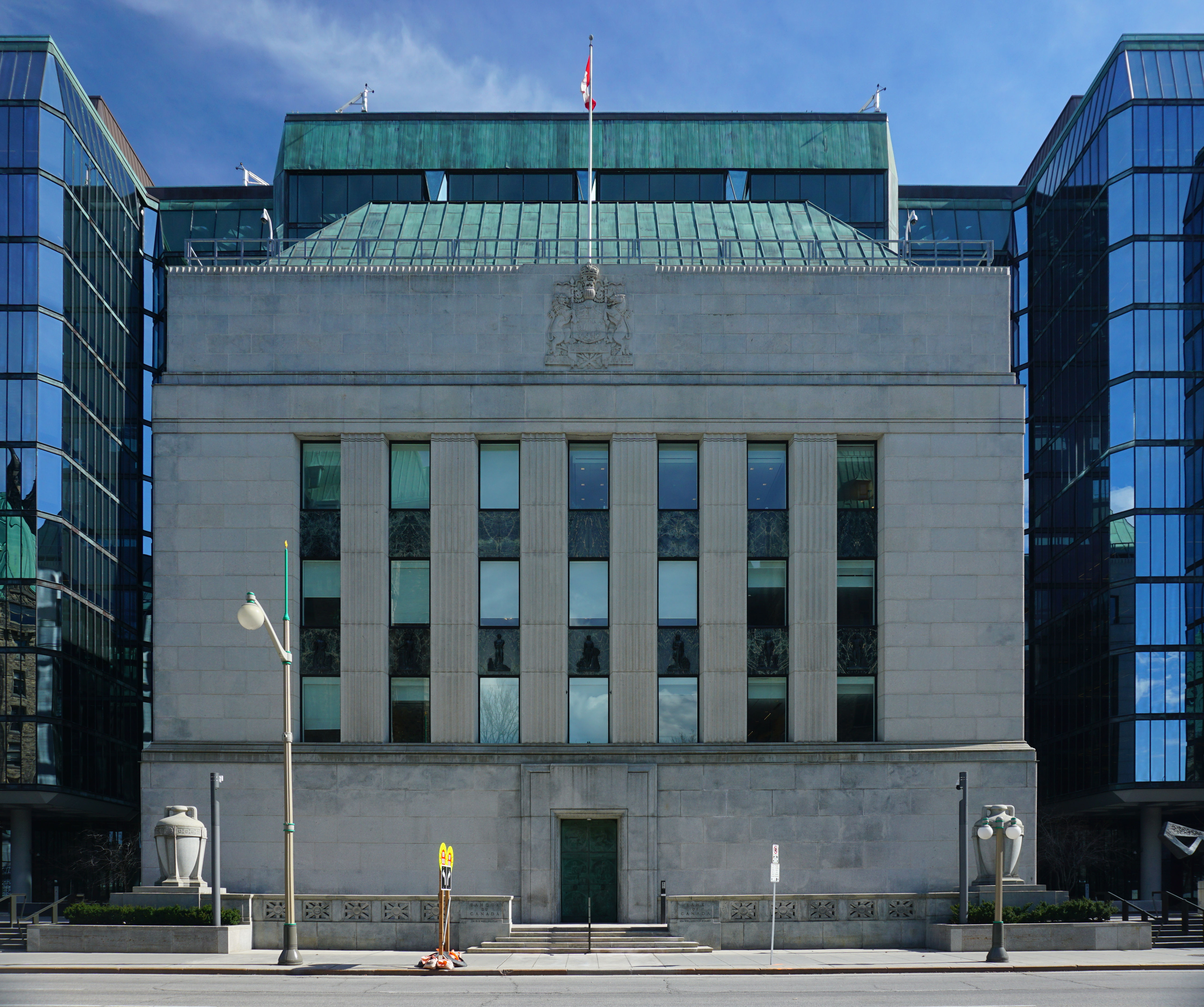
The Bank of Canada (BoC) raised its policy interest rate by 25 basis points to 2.5 % in a decision announced on Tuesday, marking the institution’s first hike since July 2023. The move, executed by the Monetary Policy Committee (MPC) during its routine meeting, was justified by the persistence of inflationary pressures, with higher oil and gasoline costs—partly a spill‑over from the escalating conflict in Iran—identified as key contributors. The rate increase is intended to curb price growth without stalling the economy’s modest recovery, and it comes as global central banks grapple with a mix of commodity‑driven inflation and uneven fiscal stimulus.
The BoC, a Crown corporation established under the Bank of Canada Act in 1934, has long served as Canada’s sole monetary policy authority and the sole issuer of Canadian banknotes. Its mandate extends beyond setting rates: it oversees the safety and soundness of the banking system, provides banking services to the federal government, and lends to Canadian financial institutions. Since 1935, the Canadian Bank Note Company has held the contract to produce the nation’s currency, underscoring the BoC’s enduring role in both monetary and fiscal infrastructure. These functions position the bank as a central node in Canada’s financial stability and a key influencer of domestic economic conditions.
Inflation in Canada has remained stubbornly above the BoC’s 2 % target, a trend that has been exacerbated by the recent uptick in oil prices. The Iran conflict has tightened global oil supplies, pushing gasoline and heating costs higher across the country. While domestic factors such as wage growth and housing demand also play a role, the BoC has emphasized that commodity price volatility is a significant driver of the current inflationary environment. By nudging rates upward, the MPC seeks to temper demand‑side pressures, support price stability, and maintain confidence in the currency, all while keeping an eye on the risk of a slowdown in economic activity.
Market reactions to the rate hike were muted, with the Canadian dollar slipping modestly against the U.S. dollar as investors recalibrated expectations for future BoC policy. Economists noted that the increase, though modest, signals a tightening stance that could gradually cool consumption and investment. The Canadian federal government, meanwhile, expressed support for the BoC’s decision, citing the need to protect households from rising living costs. International observers, including the U.S. Federal Reserve and the European Central Bank, will likely watch Canada’s policy path as a benchmark for global monetary tightening in an environment of rising commodity prices.
For Taiwan, the BoC’s decision carries indirect implications. Canada is a significant exporter of oil, gas, and mining resources, and its commodity price adjustments reverberate through global supply chains that Taiwan depends upon for manufacturing inputs. Higher Canadian rates can influence global interest rates, potentially tightening financing conditions for Taiwanese firms and affecting the value of the New Taiwan dollar through capital flows. Moreover, as Taiwan imports a substantial share of its energy needs, the rise in Canadian oil prices—partly driven by geopolitical tensions in the Middle East—may translate into higher import costs, affecting both consumer prices and industrial production. In a region where supply chain resilience and energy security are paramount, Canada’s monetary tightening adds another layer to the complex web of economic interdependencies that shape Taiwan’s trade, investment, and policy environment.
Produced by our editorial team, with AI assistance in editing.