
Bangladesh study links lack of breastfeeding to 82% measles child deaths
Bangladesh Shishu Hospital & Institute in Dhaka released a study this month indicating that, during the most recent nationwide measles outbreak, roughly 82
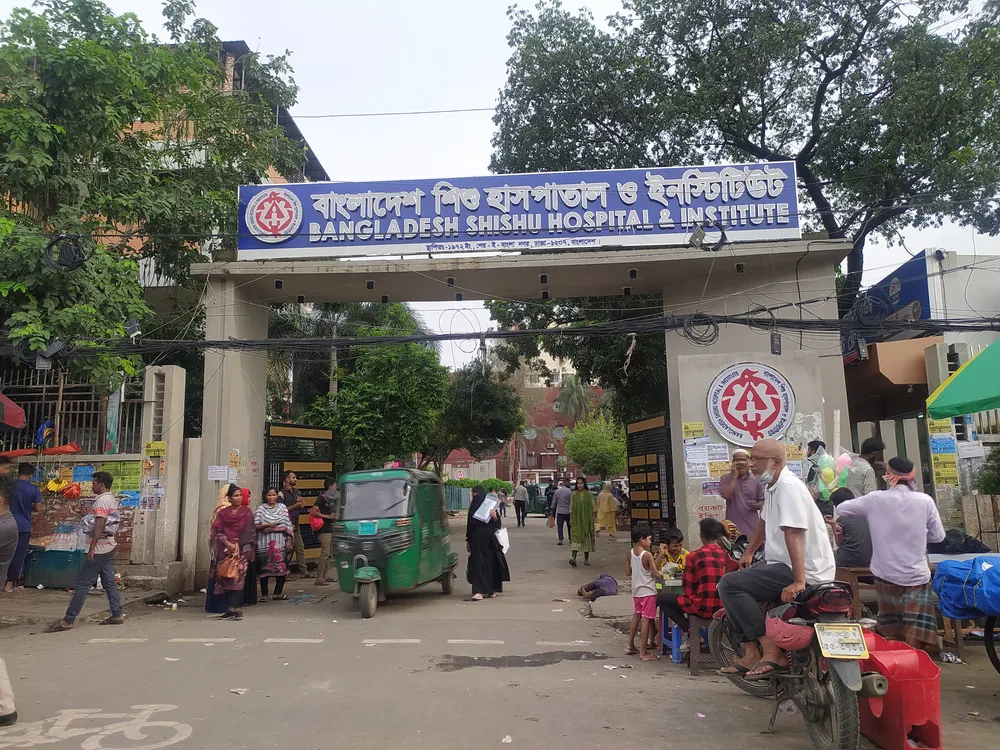
Bangladesh Shishu Hospital & Institute in Dhaka released a study this month indicating that, during the most recent nationwide measles outbreak, roughly 82 % of children who died from measles had not received adequate or exclusive breastfeeding within the first six months of life. The study examined 124 children who died between 2023 and 2024, analyzing the relationship between feeding practices and cause of death. The results showed a markedly higher risk of mortality among children who lacked breastfeeding.
The measles wave erupted simultaneously across multiple provinces at the end of 2023. According to data from the Ministry of Health, more than 90,000 cases have been confirmed and over 150 deaths recorded, with children accounting for more than 70 % of the total fatalities. The outbreak has been concentrated in impoverished rural areas, where low vaccination coverage and scarce medical resources have been identified as aggravating factors. The Ministry of Health has launched an emergency immunisation campaign and intensified disease surveillance, but it continues to face both logistical and staffing challenges.
The World Health Organization classifies breastfeeding as a pivotal measure for enhancing infant immunity, emphasizing that exclusive breastfeeding during the first six months supplies antibodies and nutrition that reduce the incidence of respiratory and gastrointestinal infections. The study notes that children who are not breastfed have weaker immune defenses and are more prone to severe measles complications such as pneumonia and encephalitis, which increase the likelihood of death. The hospital urges the government and non‑governmental organisations to jointly promote breastfeeding education and support in order to prevent similar tragedies.
Bangladesh Shishu Hospital & Institute, the nation’s sole institution dedicated to child health care and public‑health research, has long collaborated with international organisations to provide epidemiological data and clinical guidance. This research not only reinforces the empirical link between breastfeeding and protection against infectious diseases, but also supplies scientific evidence for the formulation of more targeted health policies. Relevant authorities have indicated that future vaccination programmes will incorporate complementary measures to promote breastfeeding, aiming to boost overall child immune protection.
For Taiwan, the findings serve as a reminder that, in addition to maintaining high vaccine coverage, early nutrition and breastfeeding remain critical public‑health assets. Although Taiwan has achieved a measles‑vaccination rate exceeding 97 % among children, breastfeeding rates still have room for improvement, particularly in remote or low‑income households. By strengthening post‑natal lactation support and enhancing related training for health‑care personnel, Taiwan can attain more comprehensive protection on both the disease‑prevention and child‑health fronts, while also providing a model that other developing nations may find instructive.
Produced by our editorial team, with AI assistance in editing.