
Bangladesh measles outbreak exceeds 120,000 cases, 300+ deaths, launches emergency vaccination and tracing.
Bangladesh’s Minister of Health and Family Welfare, M. A. Muhit, held a press conference on the 20th of this month, noting that the measles outbreak that b
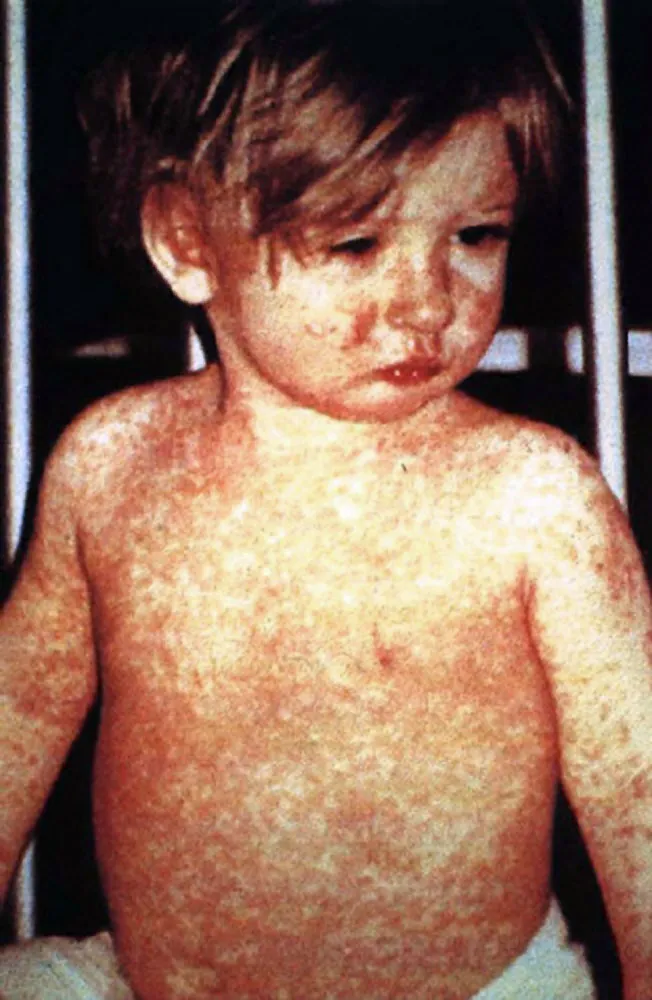
Bangladesh’s Minister of Health and Family Welfare, M. A. Muhit, held a press conference on the 20th of this month, noting that the measles outbreak that began in early April has resulted in more than 120,000 confirmed cases nationwide and over 300 deaths. He estimated that it will take another two to three months to break the chain of transmission. The minister emphasized that the current priority is to accelerate vaccination and strengthen case tracing, and he called on domestic and international aid groups to continue their support.
Data supplied by the Ministry of Health show that the outbreak first clustered in slums on the outskirts of Dhaka before spreading rapidly to six provinces, including the northern region of Rajshahi and the southeastern city of Chittagong. Limited medical resources in some remote areas, combined with a recent decline in childhood vaccination coverage to roughly 78 %, have left a large proportion of the population susceptible, creating a fertile environment for the virus to spread. Authorities have mobilized more than 10,000 community health workers to set up temporary vaccination stations in schools and public venues, with a plan to complete full-course measles‑mumps‑rubella (MMR) immunisation for children under five within the next six weeks.
Measles is a highly contagious respiratory viral infection transmitted primarily through droplets expelled by coughing or sneezing, and also through direct contact with nasal or oral secretions. The incubation period is about 10 to 12 days; early symptoms typically include high fever, cough, runny nose and conjunctival injection. Three to five days after onset, a red rash appears, initially on the face and then spreading to the rest of the body. While most patients recover spontaneously within a week, the virus temporarily suppresses the immune system, often leading to complications such as diarrhoea, otitis media or pneumonia. Severe cases can progress to encephalitis or blindness, and the risk of death is especially high among children with weakened immunity.
To curb the spread, the World Health Organization (WHO) dispatched an emergency support team to Bangladesh at the beginning of the month, providing over 100,000 doses of MMR vaccine and rapid diagnostic kits, and assisting in the training of local health‑care personnel. The Bangladeshi government has also partnered with neighboring India to launch a cross‑border vaccine distribution mechanism aimed at preventing the virus from moving through trade and travel channels. Ministry officials indicated that, beyond securing vaccine supplies, raising public awareness of vaccine safety and strengthening health education remain long‑term challenges.
For Taiwan, the large‑scale measles outbreak in Bangladesh underscores the transnational nature of regional public‑health risks. Although Taiwan does not have direct trade dependence with Bangladesh, the two economies interact through labour migration and tourism. If the outbreak is not contained promptly, it could pose an importation risk via air and land transport. The situation also offers Taiwan a reference point for enhancing the resilience of its vaccine supply chain, community vaccination mobilization, and inter‑agency coordination—particularly in devising strategies for groups with low vaccination coverage—to ensure that domestic immunity barriers remain robust against imported infectious diseases.
Produced by our editorial team, with AI assistance in editing.