
Bangladesh Measles Outbreak Escalates, Death Toll Hits 780 Amid Public Health Crisis
The Directorate General of Health Services in Bangladesh recently confirmed the death of a child due to measles, bringing the total number of fatalities in
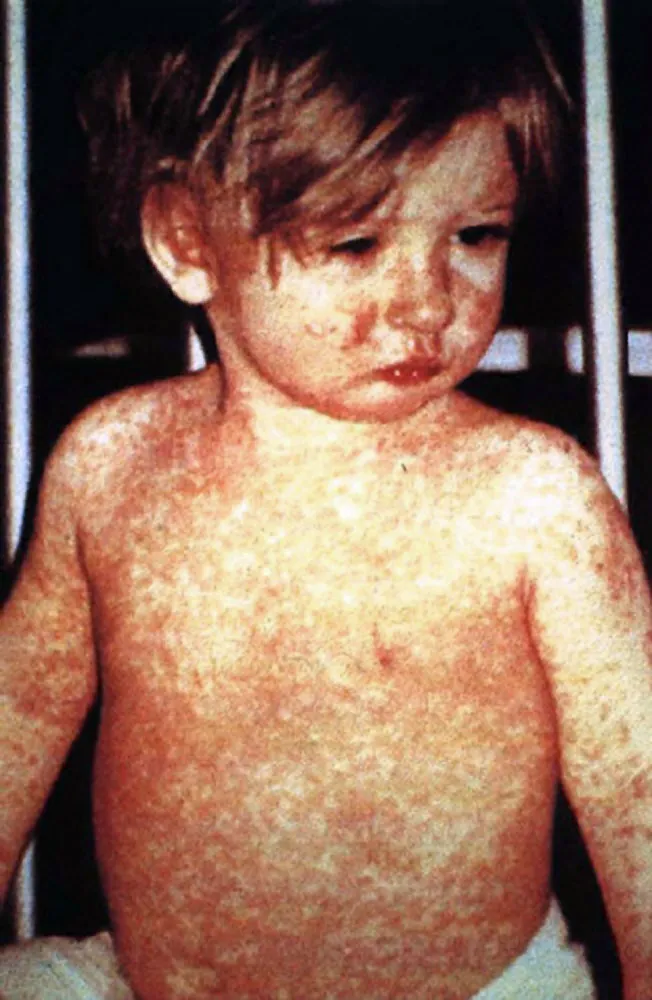
The Directorate General of Health Services in Bangladesh recently confirmed the death of a child due to measles, bringing the total number of fatalities in the country’s ongoing outbreak to 780. This figure underscores the severe challenges facing Bangladesh's public health system, particularly regarding infectious disease control and the urgent need to improve vaccine coverage.
Measles is a highly contagious disease caused by the measles virus. Before the widespread use of vaccines, it was one of the leading causes of childhood mortality globally. According to medical observations, symptoms typically appear 10 to 12 days after exposure. Initial signs include high fever (often exceeding 40°C), cough, runny nose, and conjunctivitis. This is often followed by the appearance of Koplik spots inside the mouth, with a flat, red rash emerging across the body within three to five days. The virus spreads primarily through airborne droplets; coughing, sneezing, or direct contact with the nasal or throat secretions of an infected person can easily facilitate transmission.
Although measles is a vaccine-preventable disease, outbreaks occur frequently in regions with limited medical resources, weak health infrastructure, or poorly implemented immunization programs. Beyond its direct lethality, measles causes immune suppression, which can lead to severe complications such as diarrhea, otitis media (middle ear infection), and pneumonia. In extreme cases, it may cause seizures, blindness, or encephalitis. The rising death toll in Bangladesh reflects the intense pressure on local resources for epidemic surveillance and subsequent medical intervention.
International health organizations have long advocated for maintaining high vaccination coverage to eliminate the threat of measles. However, in recent years, routine immunization programs in many developing nations have been severely disrupted by global supply chain interruptions, political instability, and economic hardships. The Bangladeshi government is currently attempting to bolster medical assistance in remote areas and is urging the public to remain vigilant and seek catch-up vaccinations. Nevertheless, the speed of the outbreak suggests that reactive measures are insufficient to halt transmission. Establishing long-term immunity remains the primary challenge for public health officials in the country.
For Taiwan, this event serves as a reminder that "epidemic prevention knows no borders." While Taiwan maintains high measles vaccination coverage—which may lead to a lower perceived sense of threat among the general public—the frequent movement of people in the post-pandemic era means that imported cases remain a risk that the health system must strictly monitor. The crisis in Bangladesh serves as a warning that, in the face of globalized migration, Taiwan must continue to maintain its foundational immunization safety net. Through international health cooperation and close monitoring of regional outbreaks, the nation can ensure that its medical system remains prepared to address potential epidemic risks.
Produced by our editorial team, with AI assistance in editing.