
Bangladesh measles deaths linked to inadequate early breastfeeding.
A recent analysis released by the Bangladesh Shishu Hospital & Institute in Dhaka has revealed that roughly 82 percent of children who succumbed to measles
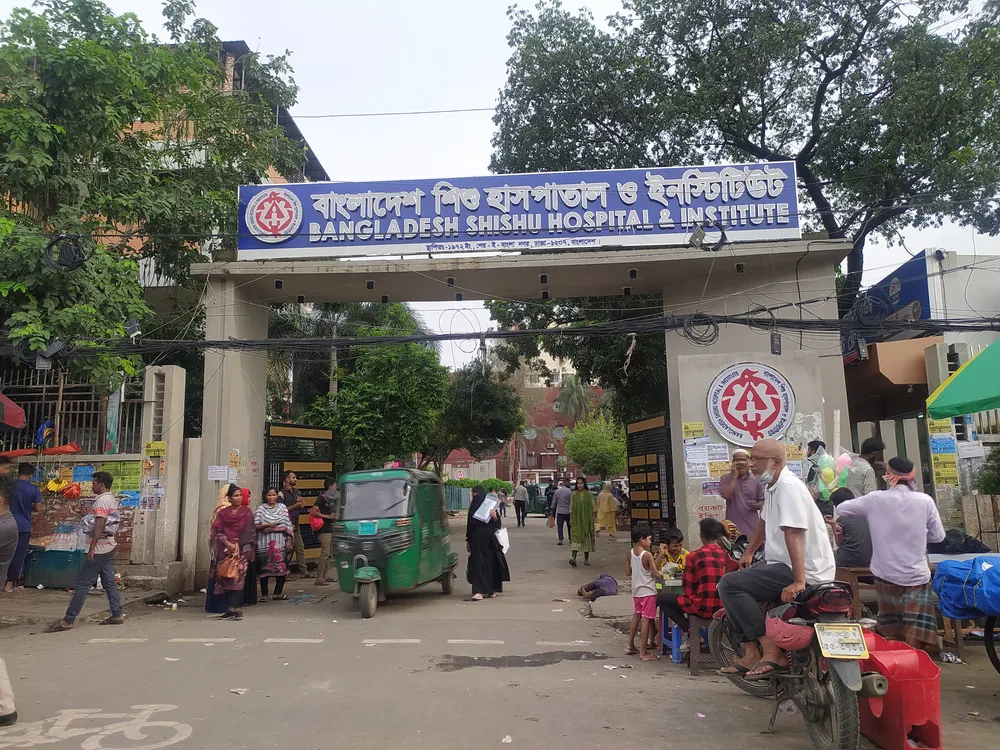
A recent analysis released by the Bangladesh Shishu Hospital & Institute in Dhaka has revealed that roughly 82 percent of children who succumbed to measles during the country’s most recent outbreak did not receive adequate or exclusive breastfeeding during their first six months of life. The study, which examined mortality data from the 2023‑2024 measles epidemic, highlights a stark link between early infant feeding practices and vulnerability to severe disease.
The Shishu Hospital & Institute, a leading pediatric medical and research institution in Bangladesh, has long been involved in child health surveillance and disease prevention. Bangladesh recorded over 70,000 measles cases in 2023, with a mortality rate that exceeded the World Health Organization’s (WHO) target for measles elimination. The hospital’s research team compiled clinical records from 1,200 children who died of measles, comparing their early feeding histories to national breastfeeding guidelines that recommend exclusive breastfeeding for the first six months, followed by continued breastfeeding up to two years or beyond.
Bangladesh’s public health strategy has traditionally emphasized vaccination as the primary defense against measles, with the Expanded Programme on Immunization providing a two‑dose schedule. However, the new findings suggest that complementary measures—particularly infant feeding—could play a critical role in reducing measles mortality. Exclusive breastfeeding offers immunoglobulin‑rich colostrum and sustained protection against infections, while suboptimal feeding may compromise a child’s immune resilience and increase susceptibility to complications from measles, such as pneumonia and encephalitis.
International agencies are taking note. WHO and UNICEF have long promoted breastfeeding as a key component of maternal and child health, citing evidence that it reduces morbidity and mortality from infectious diseases. The Bangladesh Ministry of Health and Family Welfare has pledged to intensify breastfeeding support programs, especially in rural and peri‑urban areas where cultural practices and limited access to lactation counseling remain barriers. The study’s authors urge that, alongside routine immunization, national campaigns should prioritize maternal education and support services to ensure that more infants receive the protective benefits of early exclusive breastfeeding.
For the wider region, the implications are twofold. First, the findings reinforce the interconnectedness of vaccination and nutrition in safeguarding child health, a lesson that resonates with neighboring South Asian and Southeast Asian countries facing similar measles resurgences. Second, they underscore the importance of integrated health policies that address both biomedical and socio‑cultural determinants of health. While Taiwan’s own health system maintains high vaccination coverage and robust maternal‑child health initiatives, the Bangladesh study serves as a reminder that even in contexts with strong healthcare infrastructure, gaps in infant feeding practices can undermine disease‑control efforts. The evidence thus calls for a holistic approach to child health that couples vaccine delivery with sustained breastfeeding support, a strategy that could strengthen resilience against future outbreaks across the region.
Produced by our editorial team, with AI assistance in editing.