
Bangladesh Health Minister Projects Measles Outbreak Containment in Three Months
Bangladesh’s health minister, M. A. Muhit, announced on Tuesday that the country’s ongoing measles outbreak is expected to be brought under control within
Bangladesh’s health minister, M. A. Muhit, announced on Tuesday that the country’s ongoing measles outbreak is expected to be brought under control within two to three months. The statement came after a surge of cases in the capital Dhaka and surrounding provinces, prompting the government to intensify vaccination campaigns and increase hospital capacity for treatment. The ministry said that, with sustained efforts, the epidemic curve should start to flatten by late October, and that the national immunisation programme would resume its full schedule by November.
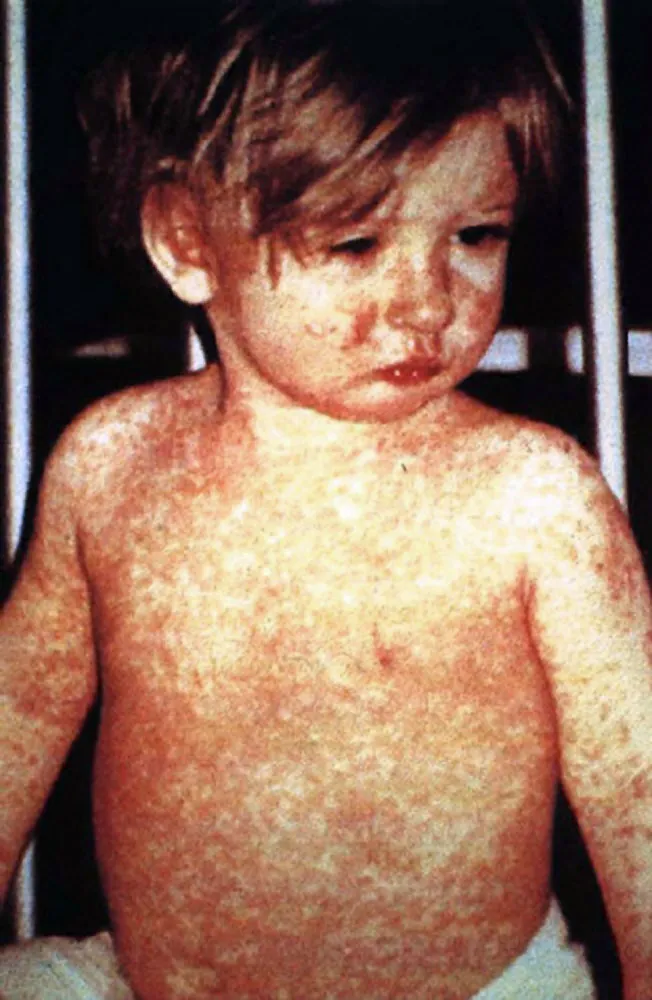
Measles is a highly contagious, vaccine‑preventable viral disease that spreads through airborne droplets and close contact with infected individuals. After an incubation period of 10–12 days, patients typically develop high fever, cough, runny nose, and conjunctivitis, followed by the characteristic red rash that begins on the face and spreads downward. Complications such as pneumonia, ear infections, diarrhea, and, in rare cases, seizures or blindness can arise, especially in malnourished children and those with weakened immune systems. Because the virus induces temporary immunosuppression, secondary infections can worsen outcomes, making outbreaks particularly dangerous in densely populated settings.
The current outbreak, which began in late June, has already registered more than 12,000 suspected cases nationwide, with Dhaka reporting the highest concentration. According to the Ministry of Health, vaccination coverage in the affected districts has fallen below the 95 % threshold needed for herd immunity, partly due to logistical challenges and vaccine hesitancy among certain communities. In response, the government has deployed mobile clinics, engaged community health workers, and partnered with international agencies such as the World Health Organization and UNICEF to secure additional vaccine doses and cold‑chain equipment. Hospitals have also increased isolation wards to manage the influx of patients, while public health officials urge parents to bring children for the measles‑mumps‑rubella (MMR) vaccine before the end of the year.
Key dynamics shaping the outbreak include the interplay between waning immunity and demographic shifts. Bangladesh’s rapidly growing population—over 160 million people and a median age of just 27 years—means that many children are still in the age bracket that requires routine MMR vaccination. However, gaps in the routine immunisation schedule, especially in rural and peri‑urban areas, leave pockets of susceptibility that facilitate the virus’s spread. Moreover, the country’s bustling international trade hubs, including the Port of Chittagong, raise concerns about the potential for cross‑border transmission to neighboring India, Myanmar, and even more distant destinations via air travel. International health authorities are monitoring the situation closely, emphasizing that measles can travel globally with even a single infected traveler.
For Taiwan and the wider South‑East Asian region, Bangladesh’s measles crisis underscores the importance of robust vaccine supply chains and rapid outbreak response mechanisms. Taiwan is a major producer of vaccine raw materials and has long supplied immunisation kits to developing countries, including Bangladesh. Any disruption in global vaccine manufacturing or distribution could ripple through regional supply networks, impacting routine immunisation schedules elsewhere. Additionally, the outbreak highlights the need for continuous surveillance and the capacity to mobilise emergency vaccination campaigns—skills that Taiwan has refined in recent years through its domestic public‑health infrastructure. By sharing data and best practices, the region can strengthen collective resilience against future infectious disease threats.
Produced by our editorial team, with AI assistance in editing.