
Bab-el-Mandeb Strait Maritime Traffic Drops to 25 Vessels Daily Amid Security Concerns
Maritime traffic through the critical Bab-el-Mandeb strait has dropped to roughly 25 vessels per day, according to the latest shipping tracking data provid
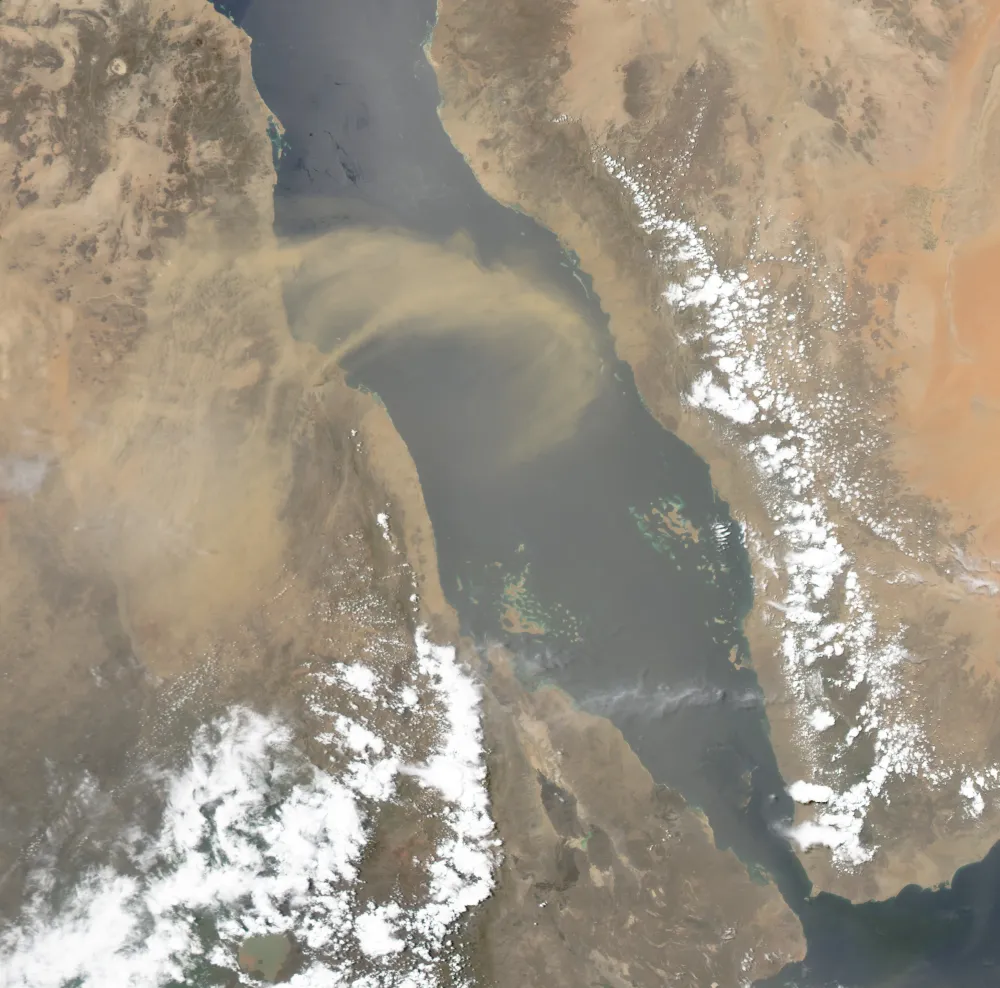
Maritime traffic through the critical Bab-el-Mandeb strait has dropped to roughly 25 vessels per day, according to the latest shipping tracking data provided by commodity intelligence firm Kpler. This low volume reflects persistent security concerns and operational adjustments by major global shipping lines operating routes between Asia, Europe, and the Middle East.
The Bab-el-Mandeb strait, situated between Yemen on the Arabian Peninsula and the nations of Djibouti and Eritrea in the Horn of Africa, serves as a vital maritime chokepoint. The narrow waterway connects the Red Sea to the Gulf of Aden and the Indian Ocean, forming an indispensable link in the shortest maritime trade route connecting Asian manufacturing hubs with European consumer markets.
In recent months, regional instability centered around the Arabian Peninsula has severely impacted transit through this corridor. Heightened threat levels have prompted numerous commercial operators to reroute their fleets around the Cape of Good Hope at the southern tip of Africa. While this alternative route avoids potential conflict zones, it substantially increases transit times, fuel consumption, and overall logistics costs for international commerce.
Shipping companies and international maritime authorities continue to monitor the security situation in the strait closely, balancing the economic necessity of the Red Sea route against crew safety and vessel protection requirements. The current traffic volume underscores the enduring reluctance of carriers to resume normal schedules through the passage without robust security guarantees.
For Taiwan, as a major trading economy heavily reliant on open sea lanes for both energy imports and manufactured exports, disruptions in the Bab-el-Mandeb strait carry significant economic implications. Increased freight rates and extended transit times resulting from Red Sea bypasses directly impact the cost of goods moving between East Asia and Europe, affecting supply chain stability and increasing overhead for Taiwanese manufacturers embedded in global trade networks.
Produced by our editorial team, with AI assistance in editing.