At least four dead and two missing after severe flooding hits Hispaniola
Severe flooding triggered by torrential downpours has left at least four people dead and two others missing across Hispaniola, impacting both Haiti and the
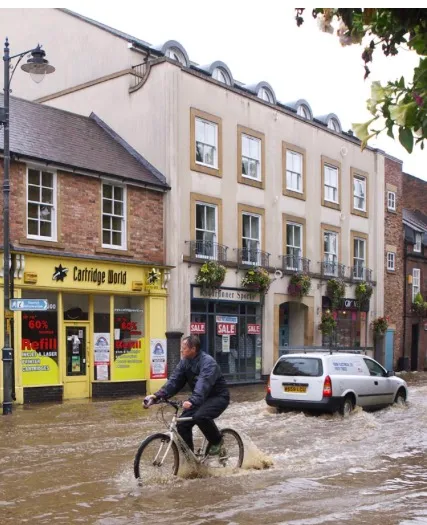
Severe flooding triggered by torrential downpours has left at least four people dead and two others missing across Hispaniola, impacting both Haiti and the Dominican Republic. The extreme weather event has destroyed several residential structures, displaced local families, and overwhelmed drainage systems in vulnerable communities. Emergency response teams in both nations are currently conducting search and rescue operations in affected zones, though access remains heavily restricted due to blocked roads and damaged infrastructure.
The disaster highlights the acute climate vulnerability of the Caribbean island, which is shared by the two countries. Meteorological authorities in the Dominican Republic and Haiti noted that the heavy rainfall caused rapid river surges and widespread urban inundation. Deforestation, unmitigated urban expansion, and the degradation of natural wetlands over decades have severely diminished the region's natural capacity to absorb heavy precipitation, turning standard seasonal storms into destructive flash floods.
This tragedy occurs against a backdrop of intensifying global environmental pressures. Climate scientists have long warned that a warming atmosphere accelerates the global water cycle, resulting in more frequent and severe extreme weather events. In the Caribbean, these shifts manifest as higher-intensity rainfall over compressed timeframes, posing monumental challenges for civil engineering and disaster management. Developing nations in the region often struggle to maintain resilient infrastructure, leaving densely populated and low-lying areas acutely exposed to sudden hydrological disasters.
As rescue efforts continue, governments on both sides of the border face mounting pressure to reassess public health safeguards and long-term land-use policies. Environmental degradation, compounded by the rising frequency of climate-driven weather anomalies, points to an urgent need for regional cooperation on disaster preparedness and climate adaptation. Without substantial investment in modern flood controls, watershed management, and climate-resilient civil engineering, vulnerable communities across the Caribbean will remain on the front line of escalating global climate risks.
Produced by our editorial team, with AI assistance in editing.