
Arson Attack Targets Ancestral Home of Bangladesh Interim Leader Muhammad Yunus
Unknown perpetrators targeted the ancestral home of Muhammad Yunus, Bangladesh’s interim leader and former chief adviser, in an arson attack in the Panchla
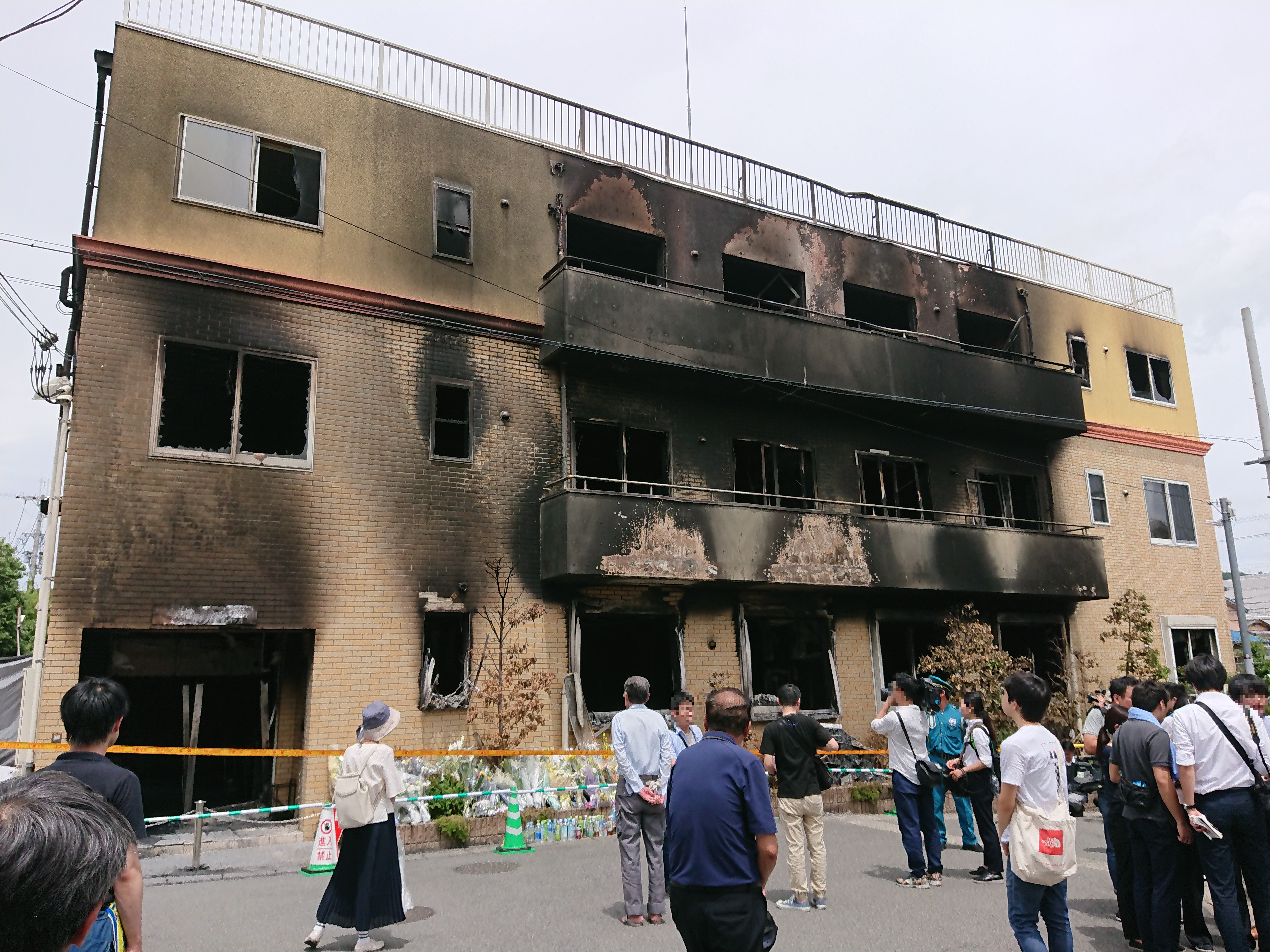
Unknown perpetrators targeted the ancestral home of Muhammad Yunus, Bangladesh’s interim leader and former chief adviser, in an arson attack in the Panchlaish area of Chattogram. The incident, which caused property damage, comes amid a volatile period of political transition and heightened civil friction in the South Asian nation. Law enforcement agencies have launched an investigation into the attack, though no immediate arrests have been announced as authorities work to identify the culprits and determine their specific motives.
The attack on the property of a prominent national figure highlights the complex security challenges facing Bangladesh following a tumultuous shift in government. Arson—the intentional and unlawful burning of buildings or property—is frequently utilized during periods of severe civil unrest, political polarization, or social upheaval. While legally and psychologically distinct from reckless negligence or the compulsive behavior associated with pyromania, deliberate fire-setting is often employed as a tactic for intimidation, retribution, or coercion during times of institutional transition.
Muhammad Yunus assumed the role of chief adviser to the interim government following the ouster of former Prime Minister Sheikh Hasina amid mass student-led protests. Since taking office, his administration has been tasked with stabilizing the country, restoring law and order, and initiating democratic reforms. However, the sweeping political realignment has left deep fractures within the population. Supporters of the interim government view the attack on Yunus’s family home as a deliberate provocation aimed at undermining the administration's authority and derailing ongoing reform efforts.
Conversely, the broader political landscape remains fraught with tension as various factions vie for influence. While political leaders and civil society groups have roundly condemned the violence, the incident underscores the vulnerability of public figures and their families amid lingering partisan animosity. Security forces have faced mounting pressure to rein in opportunistic violence and ensure that political disagreements are channeled through legal and institutional frameworks rather than direct intimidation and destruction.
For the wider Indo-Pacific region, stability in Bangladesh is of significant strategic and economic consequence. As the world’s eighth-most populous nation and a major hub for the global readymade garment industry, prolonged domestic turmoil, civil unrest, or a breakdown in the rule of law in Bangladesh risks disrupting vital supply chains and impacting regional commerce. Furthermore, a stable democratic transition in Dhaka is viewed by international partners as essential for maintaining geopolitical equilibrium in South Asia, making the security of its transitional leadership a matter of close regional observation.
Produced by our editorial team, with AI assistance in editing.