Amazon Partners With Herotel to Launch Kuiper Satellite Internet in Africa 2027
Amazon recently announced a strategic partnership with South African internet service provider Herotel to launch the "Amazon Leo" satellite internet servic
Amazon recently announced a strategic partnership with South African internet service provider Herotel to launch the "Amazon Leo" satellite internet service across Africa via its "Project Kuiper." Scheduled to officially begin in 2027, this project represents Amazon’s first satellite communications deployment in the African market and marks the American tech giant's entry into the increasingly competitive race for low Earth orbit (LEO) satellite communications on the continent. Under the agreement, Amazon will leverage its satellite constellation to provide transmission support for Herotel’s infrastructure, aiming to expand internet coverage in Africa’s remote and rural areas.
This collaboration is closely linked to the global expansion strategies of Big Tech firms. As one of the world's most valuable and influential technology companies, Amazon has been aggressively positioning itself in the space communications market to compete with established rivals such as SpaceX’s Starlink. With more than half of Africa’s population still lacking stable, high-speed internet, this "virgin territory" of digital transformation has become a strategic stronghold for global tech giants. By partnering with Herotel, a firm deeply rooted in local infrastructure, Amazon has adopted a "localization" strategy intended to circumvent the regulatory hurdles and market access difficulties that often accompany independent entry.
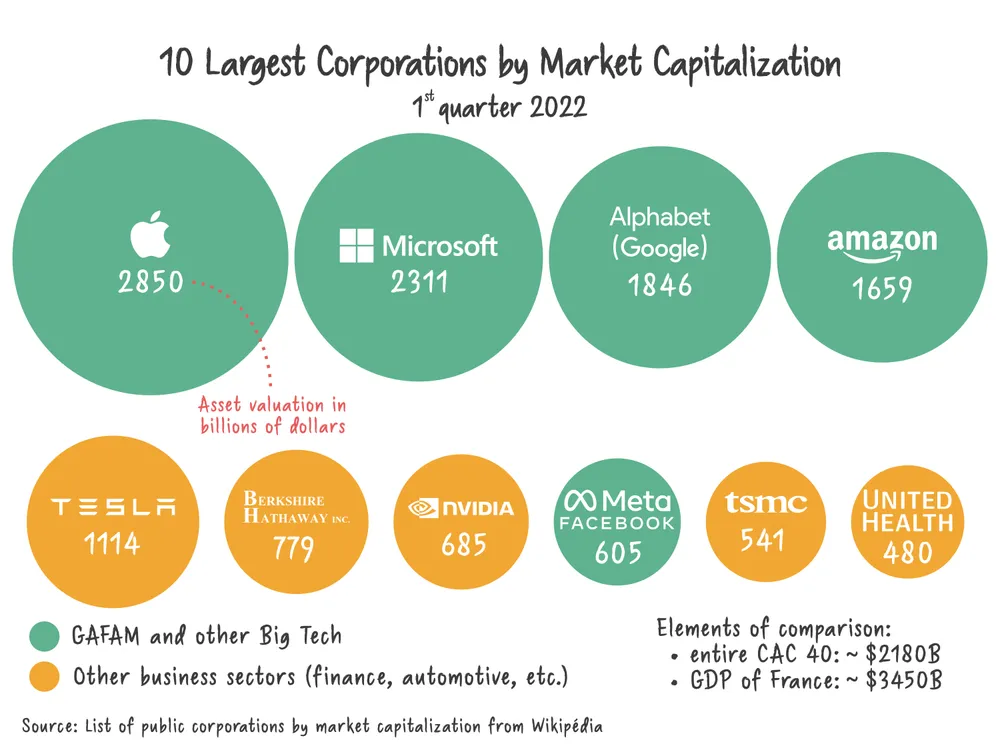
Within the broader industry context, Amazon's move reflects the power struggle among tech giants over market diversification and control of infrastructure. Currently, the "Big Five"—Amazon, Microsoft, Google, Apple, and Meta—are increasingly extending their reach from software and cloud services into hardware and fundamental communications networks. For Amazon, Project Kuiper is not only an extension of its AWS cloud business but also an effort to build a global data transmission network that bypasses traditional terrestrial carriers, placing control firmly in its own hands. This "top-down" approach to digital construction is reshaping a communications landscape previously dominated by traditional telecom operators.
However, this satellite internet competition is not without risks. Africa’s complex geographical environment, the diverse regulatory policies of individual nations, and the wariness of local telecom providers toward foreign entities are all challenges Amazon must overcome. Furthermore, the high costs of launching and operating LEO satellites mean that balancing digital inclusion with commercial profitability will be key to the partnership's long-term viability. As a major fiber-optic and wireless service provider in South Africa, Herotel’s local resources and user base will serve as an essential testing ground for Amazon to evaluate the stability of its technology and its local marketing strategies.
For Taiwan, while this case does not directly involve the domestic telecom market, the industry signals it sends are highly relevant. Taiwan plays a critical role in the global semiconductor supply chain, and there is significant potential for cooperation with Amazon’s Kuiper project, ranging from the production of satellite chips and communication components to hardware for ground stations. Moreover, as Taiwan has recently been actively developing LEO satellite technology to strengthen national resilience and communication security, observing the partnership model between Amazon and local African firms can help Taiwanese enterprises rethink their roles. By moving beyond simple hardware manufacturing and toward software-hardware integration, Taiwanese companies may find new opportunities for strategic alliances in the Asia-Pacific region and other emerging markets.
Produced by our editorial team, with AI assistance in editing.