37 Dead in Nigeria as Men Die While Siphoning Fuel from Illegal Pipeline
At least 37 people died on Thursday after inhaling gasoline fumes while attempting to siphon fuel from an illegally tapped pipeline in the town of Okrika,
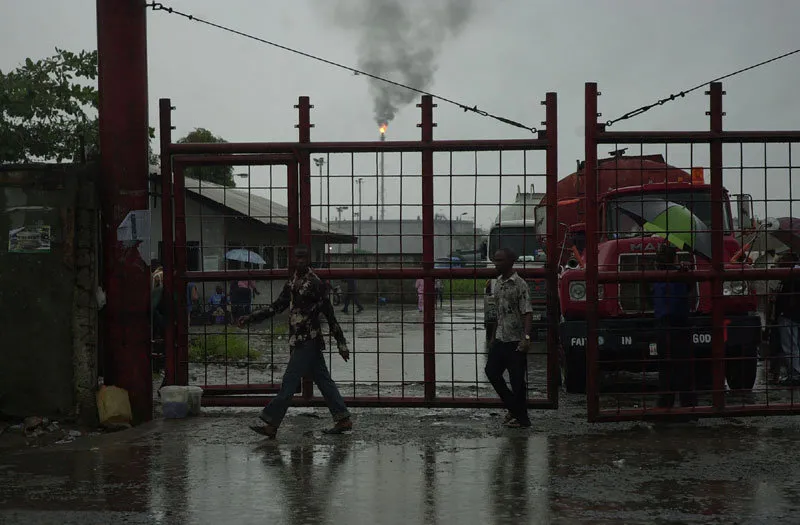
At least 37 people died on Thursday after inhaling gasoline fumes while attempting to siphon fuel from an illegally tapped pipeline in the town of Okrika, Rivers State, Nigeria, authorities said. Emergency responders arrived at the scene after reports of a “fume‑related incident” and found dozens of victims who had gathered around the exposed line in the early hours of the morning. The victims, most of them young men, were reportedly trying to steal the product when the vapour buildup became lethal. Police have launched an investigation and sealed off the area, while local officials warned that the tragedy underscores the growing danger of fuel‑theft operations in the Niger Delta region.
Nigeria’s oil and gas sector, the continent’s largest, has long been the backbone of the nation’s economy. Crude extracted from the Niger Delta flows mainly in two grades: a lighter, higher‑API oil around 36 degrees and a heavier variety in the 20‑25 API range. Both are paraffinic and relatively low in sulfur, making them attractive to international refiners. Since the discovery of oil in the 1950s, petroleum revenues have underpinned roughly one‑tenth of Nigeria’s gross domestic product and fund the bulk of government spending. The wealth generated by the industry, however, has been unevenly distributed, with the oil‑rich southern states, especially Rivers, often witnessing chronic under‑investment, environmental degradation and a rise in illicit activities such as pipeline tapping.
The practice of “bunkering” – stealing crude or refined products from pipelines – has become entrenched in parts of the Niger Delta. Criminal networks tap into high‑pressure lines, diverting fuel for resale on the black market. The operation is risky; the sudden release of volatile hydrocarbons can create invisible, poisonous clouds that have repeatedly caused fatalities, as in the Okrika incident. Local authorities attribute the persistence of such crimes to a combination of poverty, weak law enforcement, and the lucrative price differential between subsidised domestic fuel and higher international market rates.
In response to the broader challenges facing the sector, the Nigerian government introduced the Petroleum Industry Bill (PIB) in July 2008 under President Goodluck Jonathan. The legislation aims to overhaul the regulatory framework, streamline licensing, and boost local content by mandating greater participation of Nigerian firms in oil‑related projects. Proponents argue that the reforms will improve transparency, attract foreign investment and reduce the incentives for illegal tapping by creating more legitimate employment opportunities. Critics, however, contend that the bill has been stalled for years, with successive administrations failing to pass it into law, leaving the sector vulnerable to corruption and criminal exploitation.
The Okrika tragedy has reignited public debate over how to curb fuel theft while protecting the lives of those who, out of desperation, turn to illegal siphoning. Community leaders in Rivers State have called for immediate security reinforcement along pipelines, alongside social programs aimed at alleviating poverty. Meanwhile, the federal Ministry of Petroleum Resources has pledged to accelerate the PIB’s passage and to deploy advanced monitoring technologies, such as satellite surveillance and leak‑detection sensors, to deter unauthorized access.
The incident matters beyond Nigeria’s borders because the country supplies roughly 2 percent of global oil output and a significant share of refined products to the international market. Disruptions in Nigerian production can ripple through global oil prices, influencing the cost of energy inputs for energy‑intensive industries worldwide, including Taiwan’s semiconductor manufacturing sector, which relies on stable and affordable electricity. Moreover, the safety and environmental risks associated with pipeline tampering raise broader concerns about supply‑chain resilience and the need for diversified energy sources. As the world watches Nigeria grapple with these challenges, the outcome of its reform agenda could have tangible implications for energy security and trade dynamics across the Asia‑Pacific region.
Produced by our editorial team, with AI assistance in editing.