
11 Vessels Successfully Navigate Strategic Strait of Mandeb Amid Regional Security Concerns
According to ship tracking data, 11 commercial vessels have successfully navigated the Bab-el-Mandeb Strait, a vital sea channel located between the Arabia
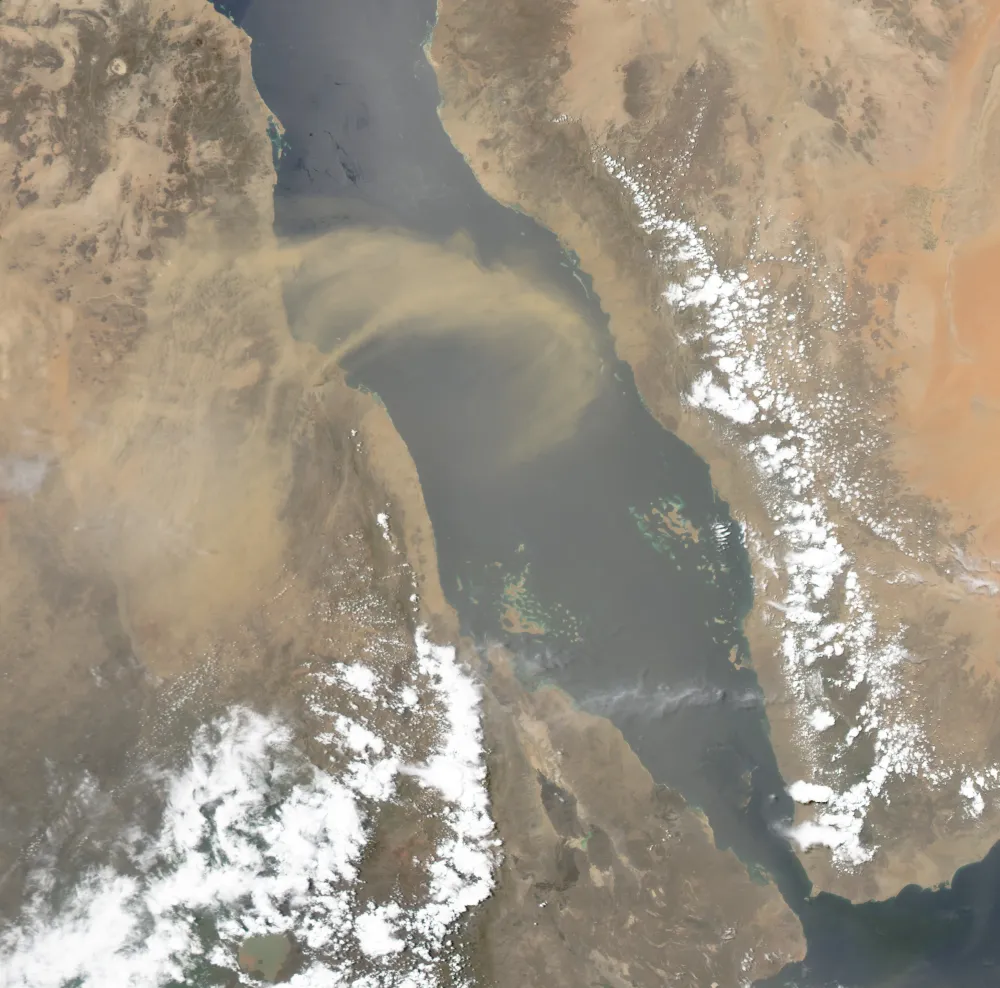
According to ship tracking data, 11 commercial vessels have successfully navigated the Bab-el-Mandeb Strait, a vital sea channel located between the Arabian Peninsula and the Horn of Africa. This data highlights the importance of this waterway, which connects the Red Sea to the Gulf of Aden, despite ongoing regional security challenges and geographical tensions, some maritime traffic continues to pass through, but overall traffic flow and stability remain a major concern for the international shipping industry.
The Bab-el-Mandeb Strait is one of the world's most critical chokepoints, with immense strategic value due to its geographical location. It separates Yemen on the Arabian Peninsula from Djibouti and Eritrea on the Horn of Africa, connecting the Red Sea to the north and the Gulf of Aden and the Indian Ocean to the south. This waterway is the shortest sea route between Asia and Europe, and most global energy transportation, cargo shipping, and crude oil trade heavily rely on its smooth passage.
However, in recent years, the prolonged Yemeni civil war and frequent attacks by armed groups on Red Sea shipping lanes have severely threatened the safety of navigation in the Bab-el-Mandeb Strait. As a result, many major shipping companies have been forced to divert their vessels around the Cape of Good Hope in southern Africa, significantly increasing travel time and pushing up global shipping costs and supply chain expenses. The recording of 11 vessels passing through the strait reflects a tentative return to navigation by some shipowners after assessing the risks, but the overall security situation remains volatile.
The international community has maintained high vigilance regarding the situation in the Bab-el-Mandeb Strait, with the United States and its coalition partners having previously deployed naval escorts in the area to deter attacks on commercial vessels and ensure the integrity of international trade routes. However, the political deadlock surrounding Yemen continues, and the looming threat of further regional conflict has left passing vessels with a high degree of uncertainty. As a result, shipping and insurance companies around the world continue to dynamically adjust their risk assessment mechanisms.
For Taiwan, as an island economy heavily reliant on foreign trade, a significant portion of its import and export goods must pass through the Red Sea and the Bab-el-Mandeb Strait. Although Taiwanese shipping companies have already adjusted their routes or taken measures in response to the international situation, the fluctuations in Red Sea and Bab-el-Mandeb Strait shipping data still have a direct impact on the stability of global supply chains and shipping costs, and have practical implications for domestic manufacturing and import/export trade operations.
Produced by our editorial team, with AI assistance in editing.
