
Muktinath Temple
Nepal · Asia
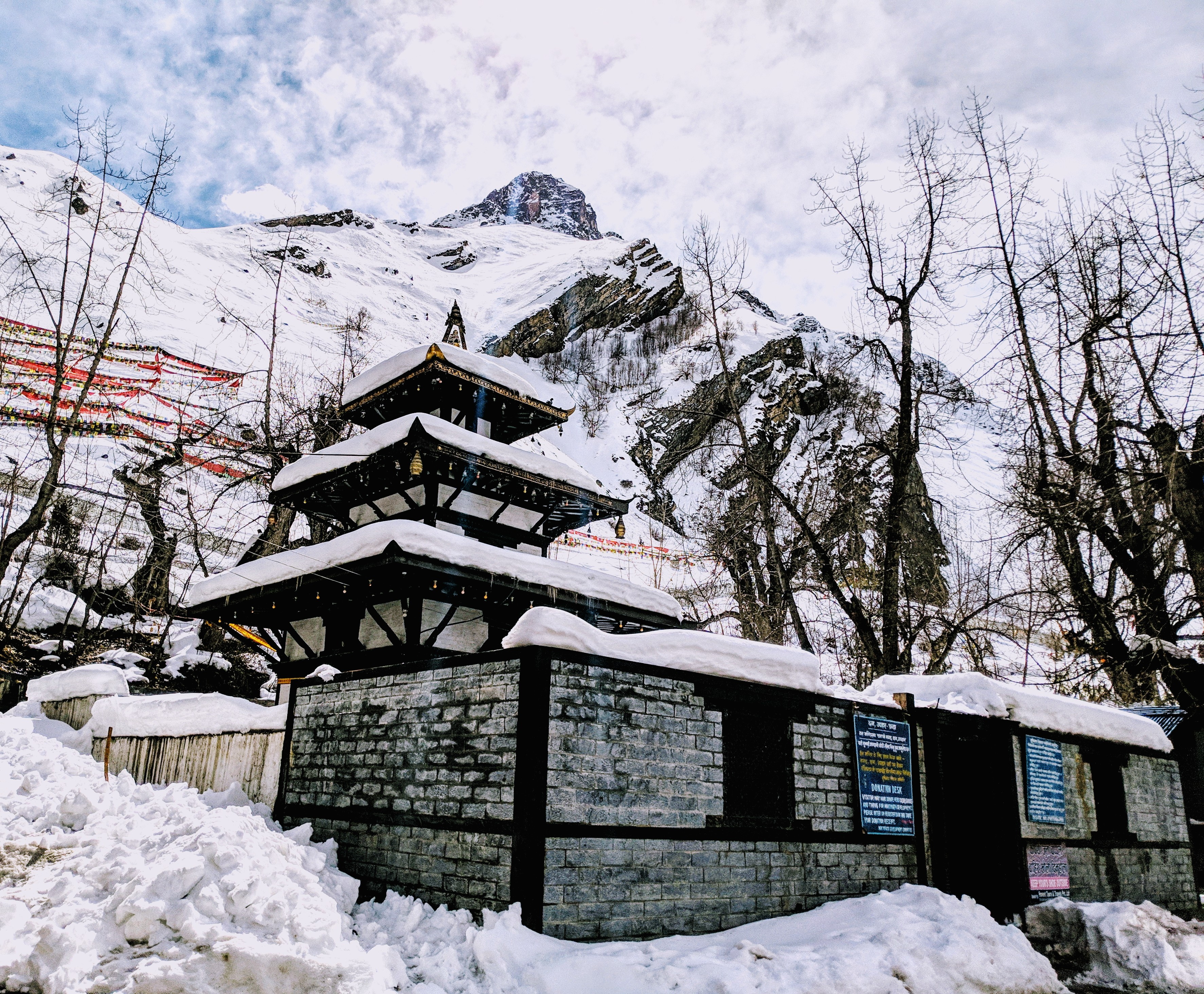
About
Muktinath (Nepali: मुक्तिनाथ) is an ancient Vishnu temple located in Mustang, Nepal. The temple of Muktinath, known as 'the lord of liberation', is sacred to both Hindus and Buddhists whom they worship as an abode of Hindu deities Vishnu and Shakti, and Buddhist bodhisattva Avalokiteśvara respectively. Located in the Muktinath valley at the foot of the Thorong La mountain pass, it is one of the world's highest temples at an altitude of 3,800 meters.
For Buddhists, Muktinath is an abode of dakinis - goddesses known as Sky Dancers and is considered one of the twenty-four Tantric places. Tibetan Buddhists call it Chumig Gyatsa, which in Tibetan means "Hundred Waters" and the murti is revered as a manifestation of Avalokiteśvara, who embodies the compassion of all Buddhas.
For Hindus, the temple is associated with the worship of Vishnu or Shakti, deities which are considered to have self-manifested at the site. The temple complex is known as Mukti Kshetra, which literally means "the place of liberation (moksha)" and is one of the Char Dham in Nepal. Muktinath is given an eminent status in the Sri Vaishnavism faith, as one of the 108 Divya Desam, or 'holy land', as well as one of the eight most sacred shrines in that tradition, known as the Svayam Vyakta Ksetras or Sthalas. In Shaktism, as well for non-denominational Hindus, it is also one of the 51 Shakta pithas, associated with the head of goddess Sati.
Muktinath temple is seen as a symbol of religious harmony in Nepal where both the Hindus and Buddhists have been historically worshipping on the same spot, mutually respecting and including each other.
Adapted from Wikipedia (CC BY-SA). Photography via Wikimedia Commons.