
Biscayne National Park
United States · Americas
About
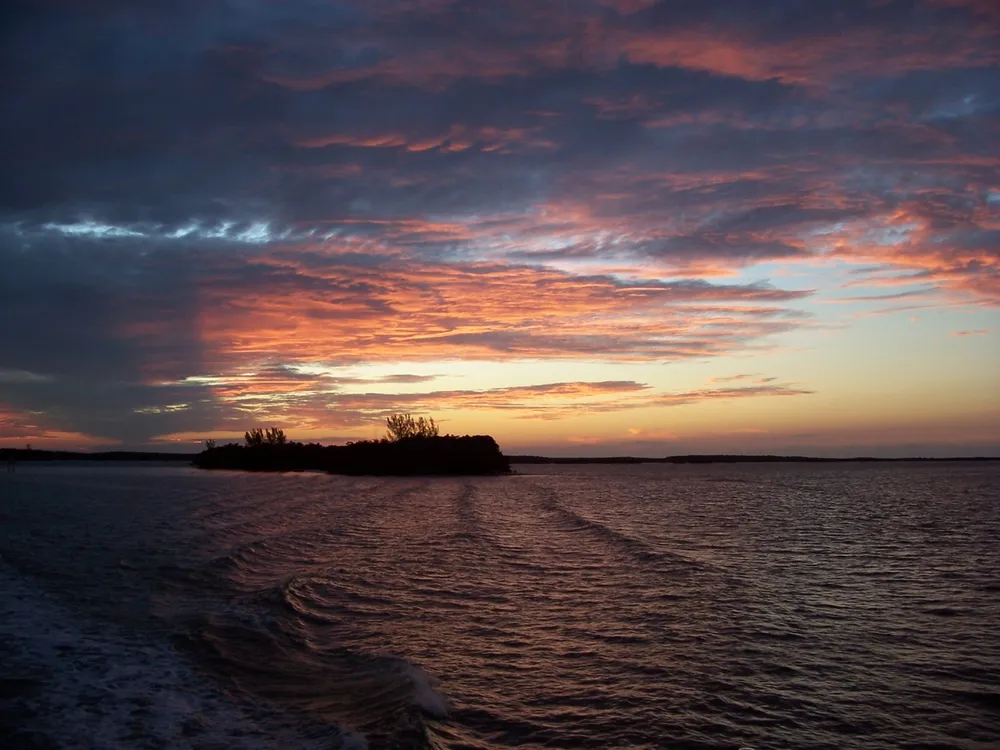
Biscayne National Park is a national park of the United States located south of Miami, Florida, in Miami-Dade County. The park preserves Biscayne Bay and its offshore barrier reefs. The shore of the bay is the location of an extensive mangrove forest. The park covers 172,971 acres (69,998.9 ha; 270.3 sq mi; 700.0 km2), of which 9,075 acres (3,673 ha) are on land. It includes Elliott Key, the park's largest island and northernmost of the true Florida Keys, formed from fossilized coral reef. The islands farther north in the park are transitional islands of coral and sand. The offshore portion of the park includes the northernmost region of the Florida Reef, one of the largest coral reefs in the world.
Biscayne National Park protects four distinct ecosystems: part of the Florida mangroves along the shoreline, the shallow waters of Biscayne Bay, the coral limestone keys, and the offshore Florida Reef. The shoreline swamps of the mainland and island margins provide a nursery for larval and juvenile fish, molluscs, and crustaceans. The bay waters harbor immature and adult fish, seagrass beds, sponges, soft corals, and manatees. The keys are covered with tropical vegetation including endangered cacti and palms, and their beaches provide nesting grounds for endangered sea turtles. Offshore reefs and waters harbor more than 200 species of fish, pelagic birds, whales, and hard corals. Sixteen endangered species including Schaus' swallowtail butterflies, smalltooth sawfish, manatees, and green and hawksbill sea turtles may be observed in the park. Biscayne also has a small population of threatened American crocodiles and a few American alligators.
The people of the Glades culture inhabited the Biscayne Bay region as early as 10,000 years ago before rising sea levels filled the bay. The Tequesta people occupied the islands and shoreline from about 4,000 years before the present to the 16th century, when the Spanish took possession of Florida. Reefs claimed ships from Spanish times through the 20th century, with more than 40 documented wrecks within the park's boundaries. While the park's islands were farmed during the 19th and early 20th centuries, their rocky soil and periodic hurricanes made agriculture difficult to sustain.
In the early 20th century the islands became secluded destinations for wealthy Miamians who built getaway homes and social clubs. Mark C. Honeywell's guesthouse on Boca Chita Key that featured a mock lighthouse was the area's most elaborate private retreat. The Cocolobo Cay Club was at various times owned by Miami developer Carl G. Fisher, yachtsman Garfield Wood, and President Richard Nixon's friend Bebe Rebozo, and was visited by four United States presidents. In 1972, Rebozo encouraged Richard Nixon to fire then-National Park Service director George Hartzog in retaliation for receiving "a ticket from a park ranger in Biscayne National Park for tying his boat illegally to an NPS administrative dock there." Nixon fired Hartzog in December 1972, despite attempts by Secretary of the Interior Rogers Morton to talk the president out of his decision. Nixon opted to replace Hartzog with his office's head of travel arrangement Ron Walker, an "unqualified appointment" who openly admitted "that he did not know the difference between the National Park Service and the Boy Scouts." Rebozo's influence on Nixon's firing of Hartzog has also been noted in Dr. Gil Lusk's 2019 book National Parks: Our Living National Treasures and A Conservative Environmentalist: The Life and Career of Frank Masland Jr. Former National Park Service director Jonathan B. Jarvis has credited Rebozo with indirectly bringing about an overly-politicized era of the Parks program administration that still exists to the present, wherein NPS directors are expected to resign with the election of each new president.
The amphibious community of Stiltsville, established in the 1930s in the shoals of northern Biscayne Bay, took advantage of its remoteness from land to offer offshore gambling and alcohol during Prohibition. After the Cuban Revolution of 1959, the Central Intelligence Agency and Cuban exile groups used Elliott Key as a training ground for infiltrators into Fidel Castro's Cuba.
Adapted from Wikipedia (CC BY-SA). Photography via Wikimedia Commons.