
Yuan T. Lee: Taiwan's First Nobel Laureate
Yuan T. Lee won the Nobel Prize in Chemistry and became a leading figure in Taiwanese science and society. A profile of the island's pioneering scientist.
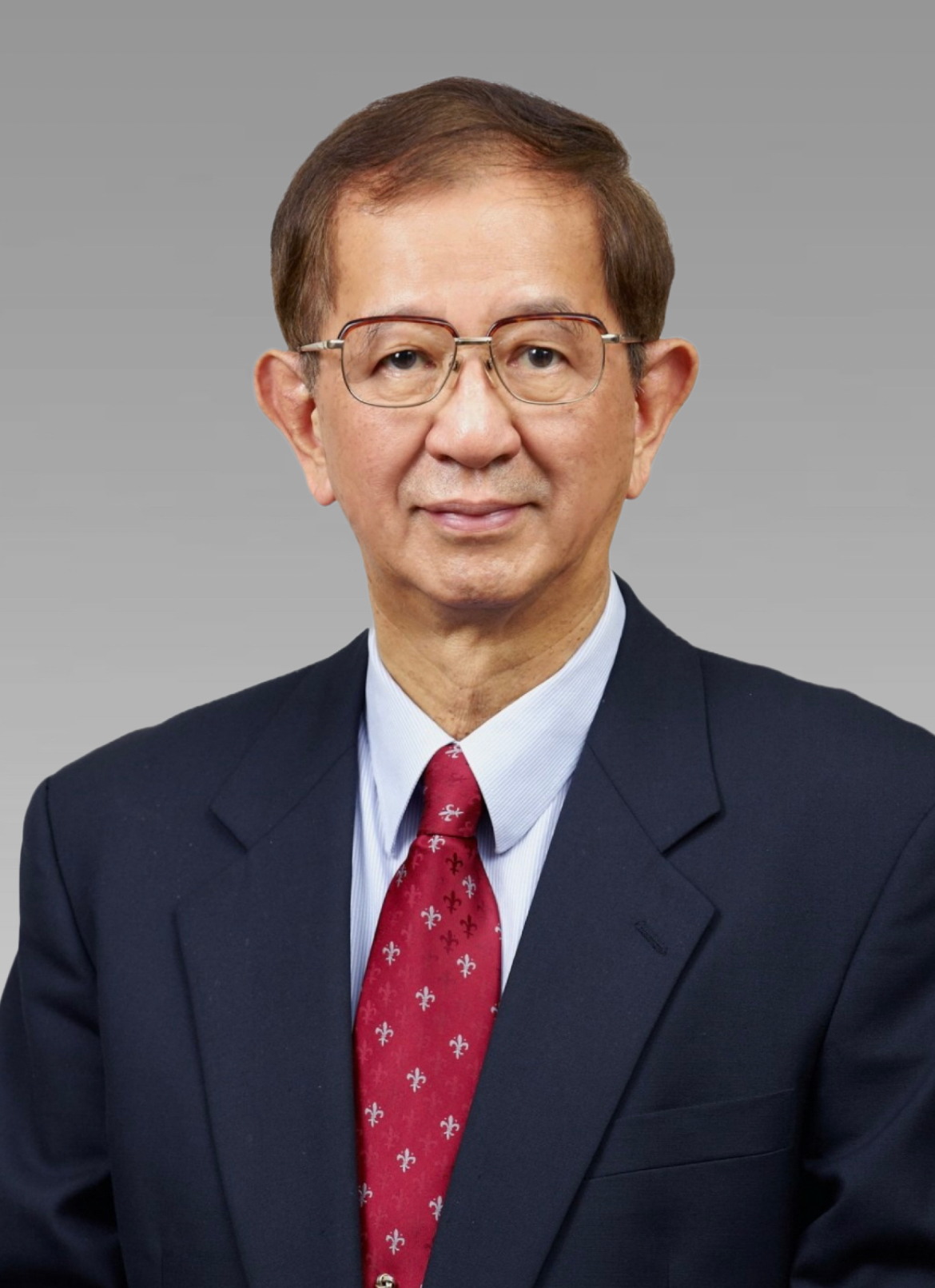
When Yuan T. Lee was awarded the Nobel Prize in Chemistry, he became the first person of Taiwanese origin to receive the world's most prestigious scientific honour — a milestone that filled the island with pride and inspired generations of students. Beyond his laboratory achievements, Lee went on to become an influential figure in Taiwanese science, education and public life.
Born in Taiwan in 1936, Lee grew up during turbulent years and showed an early aptitude for science. He pursued advanced study abroad, eventually building a distinguished research career in the United States, where he worked at leading institutions at the frontier of physical chemistry. His scientific reputation grew steadily as he tackled fundamental questions about how chemical reactions occur.
Lee's Nobel-winning work concerned the detailed dynamics of chemical reactions. Using sophisticated experimental techniques, he and his collaborators were able to study what happens to molecules at the moment they react, revealing the underlying mechanics of chemical change with unprecedented precision. This research helped lay foundations for the modern field of reaction dynamics and had wide influence across chemistry.
The Nobel Prize brought him global recognition, but for Taiwan its significance was symbolic as much as scientific. Here was proof that a person from the island could reach the very pinnacle of world science, a source of enormous encouragement in a society that prizes education and achievement. Lee became a role model whose example resonated far beyond chemistry classrooms.
Rather than remaining solely in the laboratory, Lee chose to devote much of his later career to serving Taiwan. He returned to lead the island's premier research institution, working to strengthen its scientific capacity and to reform education. He became an active public intellectual, engaging with debates on science policy, educational reform and pressing social issues.
His prominence also drew him into public controversy at times, as figures who engage with policy and society inevitably attract debate. Yet his commitment to using his stature for the public good — advocating for science, education and, later in life, global challenges such as sustainability — was widely respected, even by those who disagreed with particular positions.
Yuan T. Lee's legacy combines scientific brilliance with public service. As Taiwan's first Nobel laureate, he opened a path and lifted the aspirations of a nation; as an institution-builder and public voice, he sought to give back to the society that shaped him. His life stands as a testament to the value Taiwan places on knowledge, and to the heights its people can reach.