
Hou Hsiao-hsien: The Master of Taiwanese Cinema
Hou Hsiao-hsien is one of world cinema's most revered directors and a leader of the Taiwan New Wave. A profile of the filmmaker who put Taiwanese film on the map.
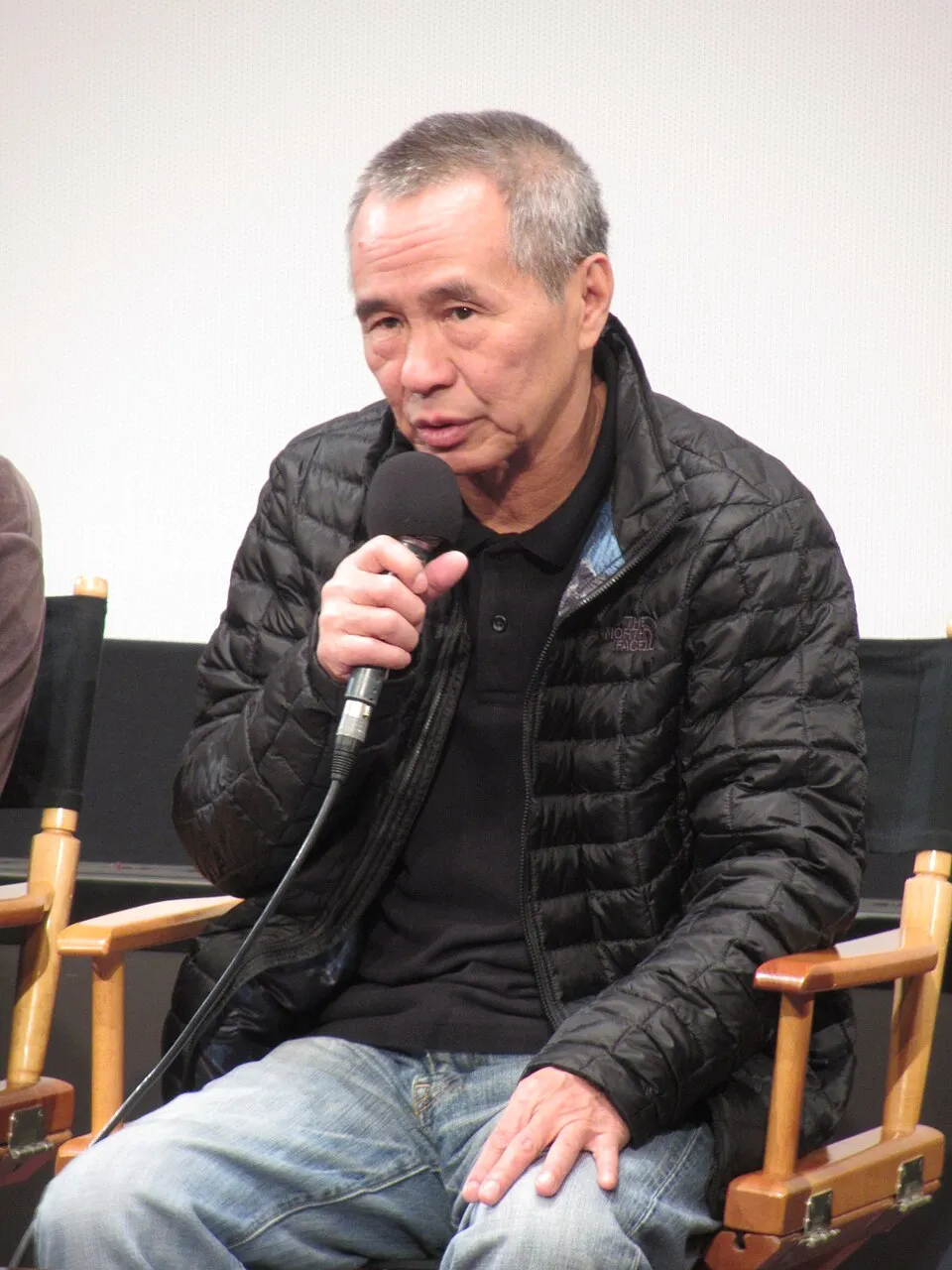
Among film critics and cinephiles around the world, the name Hou Hsiao-hsien commands deep respect. A leading figure of the Taiwan New Wave and one of the most influential directors in the history of Asian cinema, Hou created a body of work of extraordinary beauty and depth, and in doing so placed Taiwanese film firmly on the international map. His contemplative style has inspired filmmakers across the globe.
Born in 1947, Hou grew up in southern Taiwan and came to filmmaking through the commercial industry before helping to launch a movement that would transform it. In the early 1980s, he and a group of young directors broke from formulaic entertainment to make personal, realistic films rooted in the textures of Taiwanese life and the island's turbulent modern history. This was the Taiwan New Wave, and Hou became its foremost artist.
Hou's cinema is defined by a distinctive visual and narrative style: long, still takes, a patient observing camera, and a refusal to spell out emotion or plot. His films ask the viewer to watch closely, to absorb atmosphere and the passage of time, rather than to be swept along by conventional drama. The effect is meditative and deeply humane, drawing profound emotion from restraint.
His historical films are among his most celebrated. A landmark work confronting one of the darkest and long-suppressed chapters of Taiwan's twentieth-century history won the top prize at the Venice Film Festival, a watershed moment that brought international recognition to Taiwanese cinema and helped open public discussion of the island's difficult past. Further historical dramas cemented his reputation as a master chronicler of memory and change.
Hou's influence extended well beyond Taiwan. His visual language and philosophy of filmmaking have been cited as inspirations by acclaimed directors around the world, and retrospectives of his work are staged at major festivals and cinémathèques. He is routinely named in critics' polls among the greatest living filmmakers.
Later in his career he continued to challenge himself, culminating in a martial-arts film of stunning visual refinement that won him the Best Director award at the Cannes Film Festival — a rare honour that confirmed his standing at the very summit of world cinema. Even within a popular genre, he brought his signature patience and painterly eye.
For Taiwan, Hou Hsiao-hsien represents artistic achievement of the highest order, a filmmaker who transformed the island's history and everyday life into cinema of universal power. Where others saw a small film industry on the margins, Hou proved that Taiwanese stories, told with rigour and beauty, could stand among the finest the medium has produced. His work remains a cornerstone of the island's cultural identity.