
Abashiri City Folk Museum
Japan · Asia
About
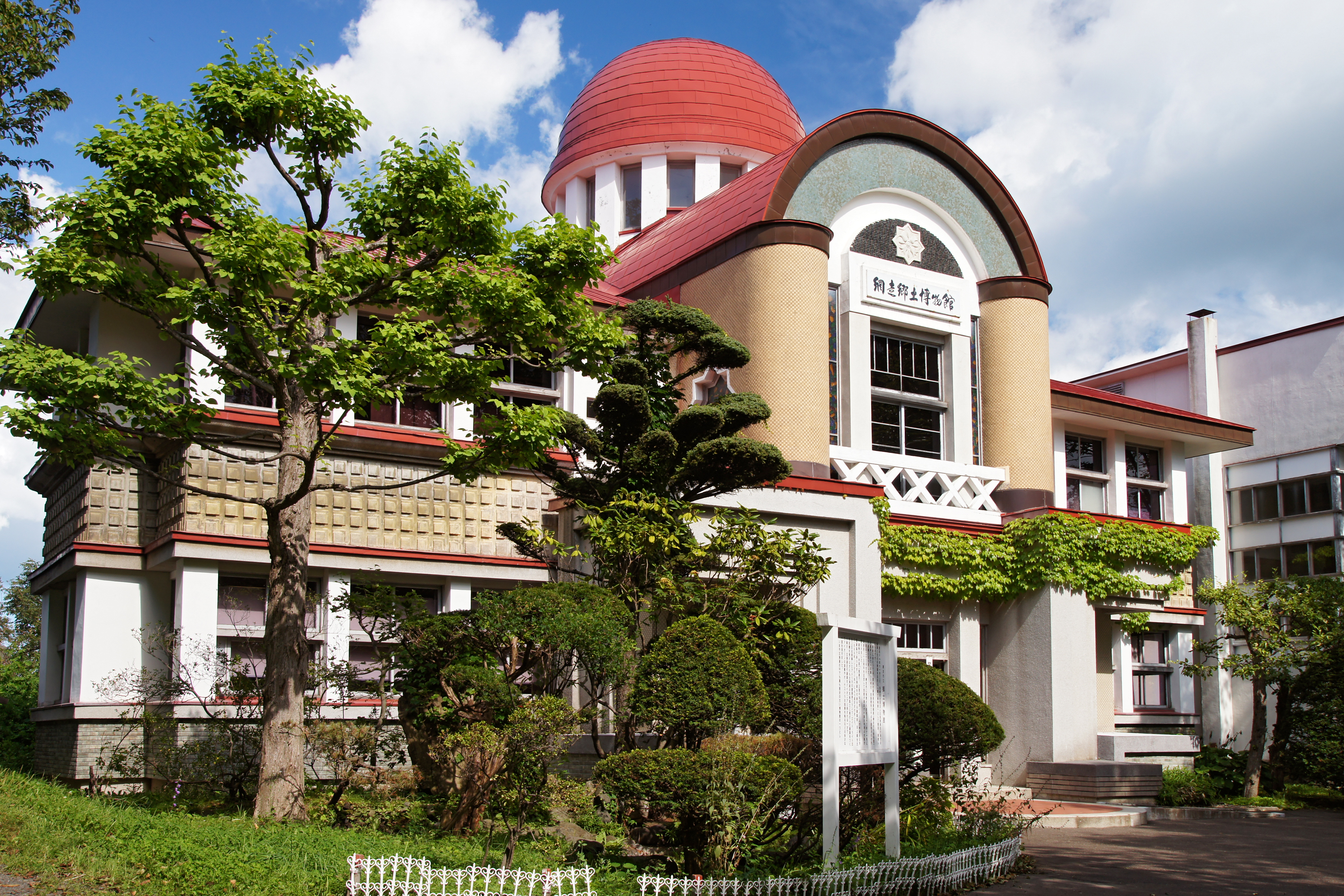
Abashiri City Folk Museum (, Abashiri Shiritsu Kyōdo Hakubutsukan) opened as Kitami Kyōdo Yakata in Abashiri, Hokkaidō, Japan in 1936, making it one of the oldest museums on the island. When the museum opened, the collection comprised some three-thousand archaeological and ethnographic objects collected by Yonemura Yoshio , including items from the Moyoro Shell Mound (a national Historic Site). In 1948, the museum was transferred to the city. A new building was added in 1961 to celebrate 25 years from the original opening. Both the main building and the new building were designed by architect Tanoue Yoshiya, a pupil of Frank Lloyd Wright, and mark the transitions in his style. They are national Registered Tangible Cultural Properties. The exhibits document the natural and cultural history of the area, from the Japanese Paleolithic, through the Jōmon and Zoku-Jōmon periods, up until daily life during the Shōwa era, and include materials relating to the Satsumon culture, Okhotsk culture, and Ainu. The Moyoro Shell Mound Museum operates as an annex.
List of Historic Sites of Japan (Hokkaidō) Katsuragaoka Chashi Hokkaido Museum Abashiri Prison Museum
Abashiri City Folk Museum Archived 6 November 2023 at the Wayback Machine
Adapted from Wikipedia (CC BY-SA). Photography via Wikimedia Commons.