
Modernist Kaunas: Architecture of Optimism, 1919-1939
Lithuania · Europe
About
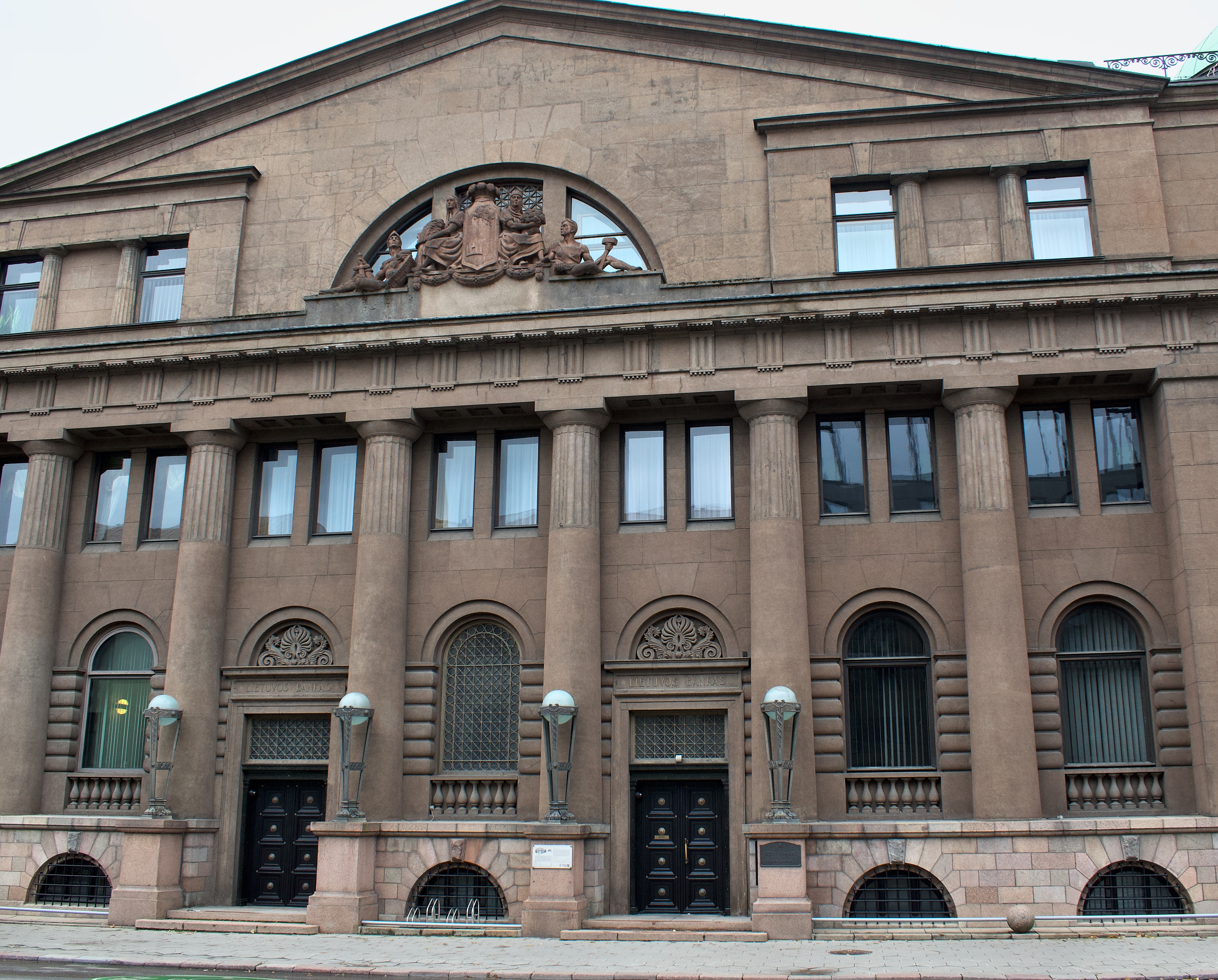
Modern architecture of Kaunas, also known as interwar architecture of Kaunas or Kaunas modernism, is an architectural style that emerged in the interwar period of the Republic of Lithuania. It represents a Lithuanian branch of modernist architecture, which was widespread in many Western countries during the interwar period. The style was formed in Kaunas, the temporary capital of Lithuania at the time, and later spread to other cities of the First Republic of Lithuania. Buildings in this style can also be found in Klaipėda, Palanga, Šiauliai, Birštonas, Jonava, Pasvalys, and Ukmergė, where Kaunas architectural projects were often copied in full. Between 1919 and 1940, approximately 12,000 buildings in this style were constructed in Kaunas.
Notable examples of Kaunas modernism include the Kaunas Garrison Officers' Club Building, the Kaunas Central Post Office, the Church of the Resurrection of Christ, the Vytautas the Great War Museum, among others.
Several of these buildings were awarded the European Heritage Label in 2015, and in 2023 they were inscribed on the UNESCO World Heritage List. Analogous examples of modernist architecture that are also inscribed on the World Heritage List include the Berlin Modernist Housing Estates, the White City of Tel Aviv, the city of Asmara (capital of Eritrea), and the works of Jože Plečnik in Ljubljana.
Adapted from Wikipedia (CC BY-SA). Photography via Wikimedia Commons.