
Kuk Swamp
Papua New Guinea · Oceania
About
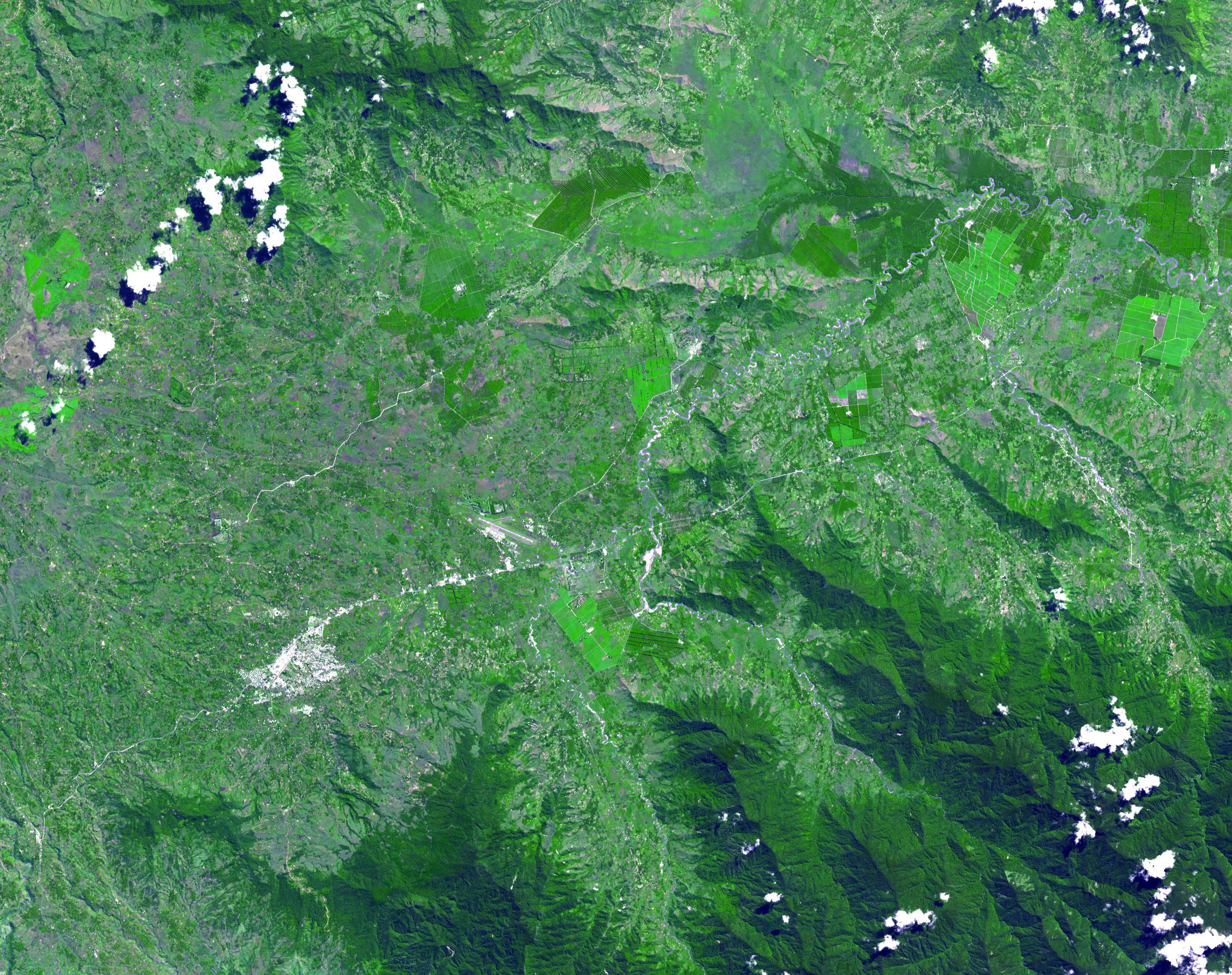
Kuk Swamp is an archaeological site in Papua New Guinea, that lies in the Wahgi Valley of the highlands at an altitude of about 1,550 metres (5,090 ft) some 12–13 kilometres (7.5–8.1 mi) northeast of Mount Hagen, the capital of Western Highlands Province. The swamp developed in a former lake basin, as it was filled by an alluvial fan or deposits of water-transported material. Archaeological evidence for early agricultural drainage systems was found here, beginning about 9,000 years ago. It includes draining ditches of three major classes, which were used to convert the area to an anthropogenic grassland. The native crop taro was grown here.
In addition, evidence of cultivation of bananas and sugar cane has been found, estimated to have begun 6,900 – 6,400 years ago. The Kuk Swamp was recognized in 2008 as a World Heritage Site by UNESCO, as one of the places in the world where people independently developed agriculture.
Currently, the Kawelka people, a Melpa-speaking tribe, lives in the Kuk Swamp area.
Adapted from Wikipedia (CC BY-SA). Photography via Wikimedia Commons.