
Jabal Al Fayah
United Arab Emirates · Asia
About
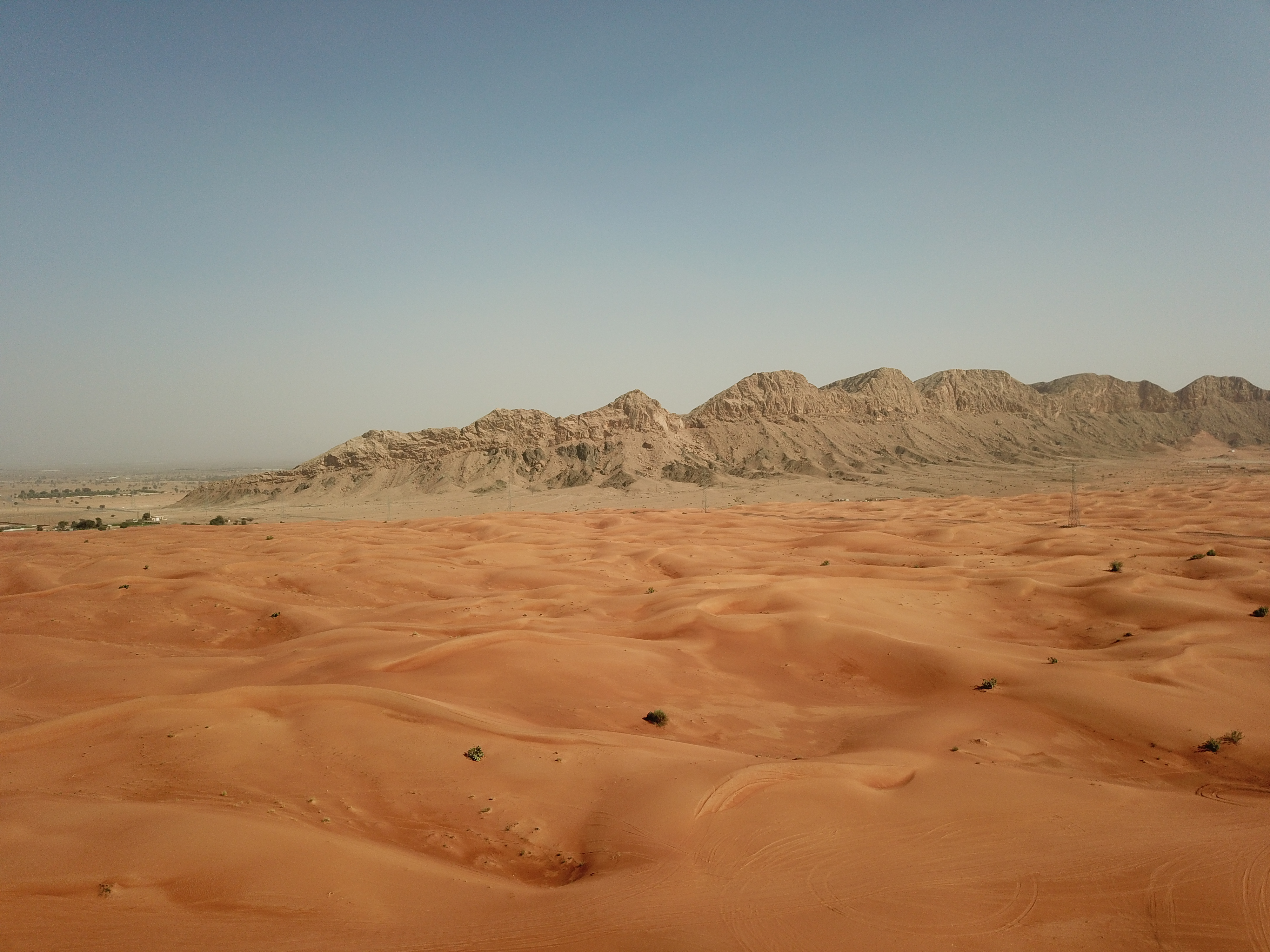
Jebel Faya (Arabic: جَبَل ٱلْفَايَة) is an archaeological site and limestone hill or escarpment near Mleiha, located in the central region of the Emirate of Sharjah in the UAE. It is considered the largest central mountain within a group of surrounding hills, including Jebel Mleiha to the northwest, Jebel Emailah to the east, and Jebel Aqabah and Jebel Buhais to the southwest. This group of mountains is known as the "Faya Mountain Range." Jebel Faya contains several very important archaeological sites, including FAY-NE 1, which dates to the Palaeolithic period and Wadi al-Kohof (Caves Wadi), which comprises the archaeological sites FAY-NE 10 and FAY-NE 15, dating to the Neolithic period.
Located about 50 km (31 miles) east of the city of Sharjah, and between the shoreline of the Gulf and Al Hajar Mountains, the Paleolandscape of Faya contains tool assemblages and burials from the Paleolithic, Neolithic, Bronze Age, and Iron Age reflecting human occupation of the region between 210,000 and 2,300 years ago.
The lithic assemblage found in layer C at the FAY-NE1 site is testament to a virile southern dispersal route of anatomically modern humans from Africa to populate the earth and was dated using single-grain optically-stimulated luminescence (OSL) to approximately 125,000 years ago.
The tools found at Faya are distinctive and have links in their form and type to tools of a similar age found in Sudan, giving us confidence in the idea of a virile southern trajectory rather than a leakage east of the people embarking on the Levantine path to Europe. This idea has been strengthened by work from other sites. From Faya they would have crossed to Iran and spread north and east.
The finds from excavations at Faya and surrounding digs are displayed at the Mleiha Archaeological Centre.
Adapted from Wikipedia (CC BY-SA). Photography via Wikimedia Commons.