
Caves and Ice Age Art in the Swabian Jura
Germany · Europe
About
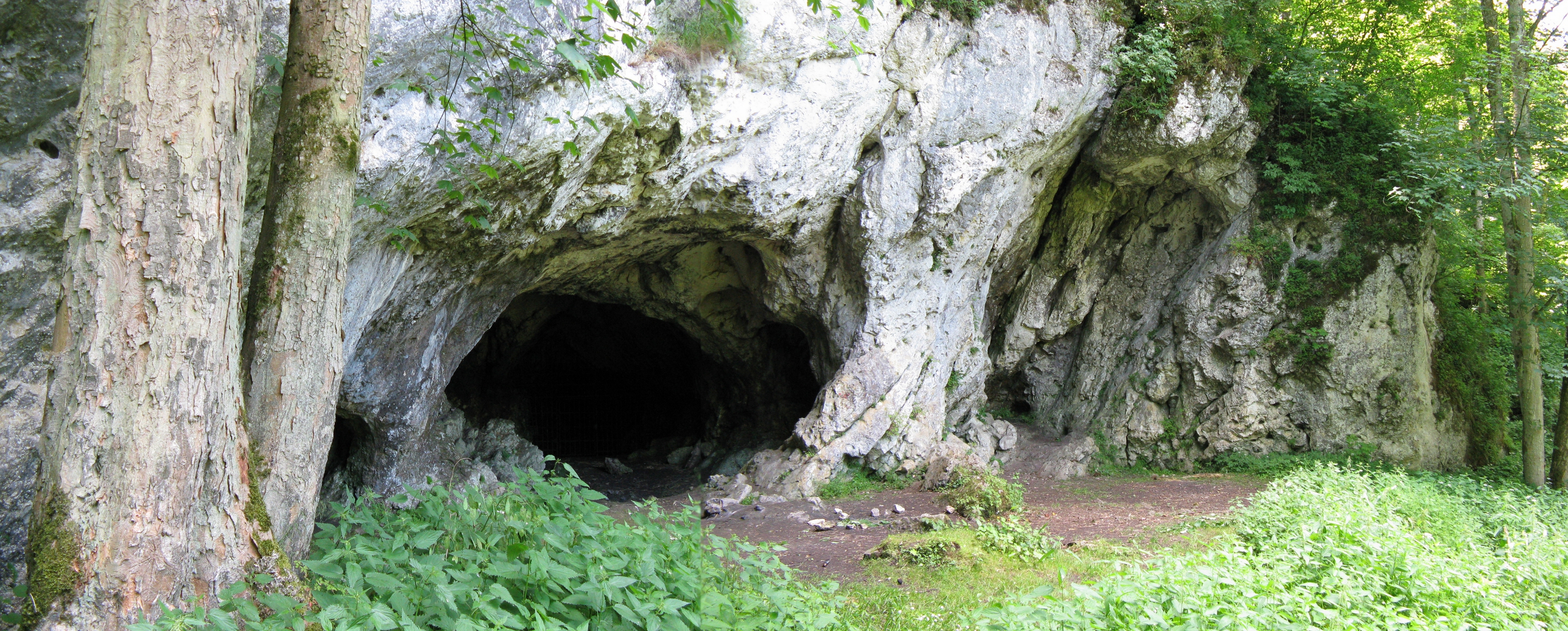
The Caves and Ice Age Art in the Swabian Jura are a collection of six caves in southern Germany which were used by Ice Age humans for shelter about 33,000 to 43,000 years ago. Within the caves were found the oldest non-stationary works of human art yet discovered, in the form of carved animal and humanoid figurines, in addition to the oldest musical instruments ever found. One statuette of a female form, carved figurines of animals (including cave lions, mammoths, horses and cattle), musical instruments and items of personal adornment have been discovered. Some of the figurines depict creatures that are half animal, half human. Because of their testimony to the development of Paleolithic art and culture, the six caves were inscribed on the UNESCO World Heritage List in 2017.
The caves are seen as the first centre of human art, were named "cradle of art" and "cradle of civilization", with a continuous cultural heritage over 6000 years, and are among the first settlements of modern humans in Europe.
Bone flutes from the Geissenklösterle cave, dated around c. 43,150–39,370 BP, are the oldest musical instruments ever found. The 41,000 to 39,000-year-old Lion Man and the 42,000 to 41,000-year-old Venus of Hohle Fels are the oldest confirmed sculptures in the world.
Adapted from Wikipedia (CC BY-SA). Photography via Wikimedia Commons.