
Tula de Allende Municipality
Mexico · Americas
About Tula de Allende Municipality
Tula de Allende is a town in the state of Hidalgo in Central Mexico, usually referred to simply as Tula. It is the location of an archeological site of a city destroyed in the 12th century at some time between 1168 and 1179 AD. Tula was the center of the indigenous Toltec culture and became the de facto dominant capital city in Mexico following the demise of Teotihuacan.
The Tula archaeological site is now a major tourist attraction for the state of Hidalgo and is a national park.
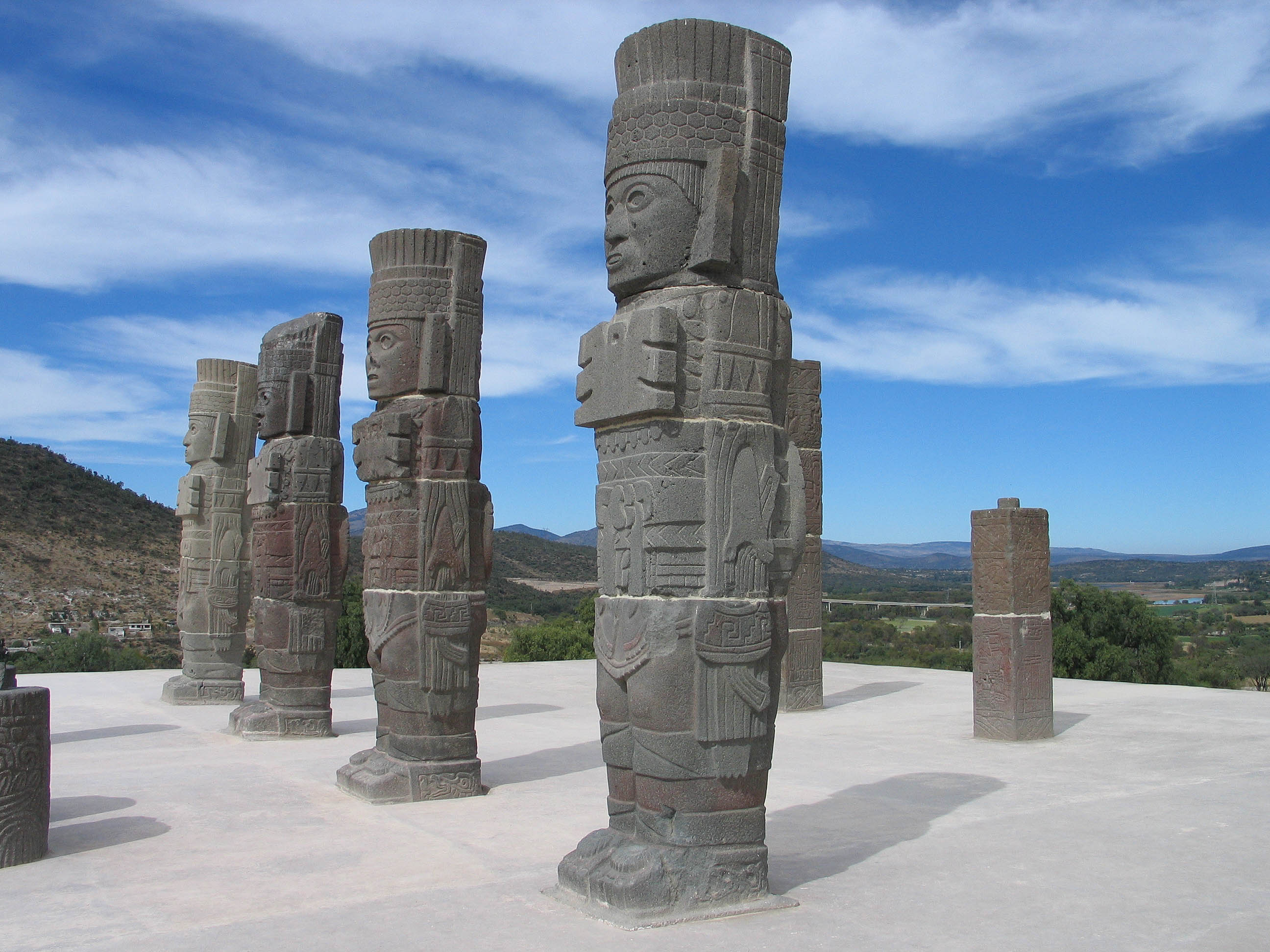
The famous columns resembling Atlantean warriors and the pyramid ruins are the most visited part of the ruins.
Tula de Allende Municipality travel guide
Understand
The city of Tollan-Xicocotitlan emerged during the decline of the Teotihuacan culture and was established as a powerful center of influence in Mesoamerica until the 12th century. After its flowering stage, the city was partially abandoned and the region was occupied by the Mexica culture until the conquest of Mexico. The ruins of the ancient Toltec capital lie north of modern Tula de Allende, which was a rural town until the mid-20th century, when the region experienced a significant investment in the development of the cement industry, oil refining and energy production. While the south and east of the city showed a profound change, the west of the municipality remained a predominantly rural area with a more subdued pace of life.
Getting there
There is frequent direct bus service from Mexico City's Northern Bus Terminal (Autobuses del Norte; which can be reached via Metro Line 5) to Tula's bus station, which is located in Xicoténcatl Street. Ovnibus operates hourly first-class buses that cost about M$150 for the 1 hour, 40 minute ride (June 2026). AVM (Autotransportes Valle del Mezquital) operates second-class buses every 15 minutes, also departing from Autobuses del Norte. Because the AVM makes frequent stops it usually takes at least 2 hours to reach Tula. 1 Tula Bus Station (Central de Autobuses de Tula), Calle Xicoténcatl 14, Centro, ☏ +52 7731163938. (updated Jun 2026)
Getting around
From the bus station, you can easily walk to the city center (Cinco de Mayo St; Zaragoza St; Quetzalcoatl St). From there, you can walk north on the pleasant pedestrian Quetzalcoatl St until the little pedestrian bridge over the Tula River. From the bridge, it is only a short walk, with good views, to the southern, pedestrian gate of the Tula Archaeological Area. As of the late 2013, that southern gate is usually closed; the main (northeastern) gate is about a mile away, and while you can walk there (along Avenida del Tesoro and Boulevard Tula), the walk is not pleasant. There are some city buses, including a route that passes near the bus terminal (the bus stop is called "Elektra") and near the archaeological zone's main entrance (the stop is in Boulevard Tula; near the turn off to the archaeological zone).
See
1 Zona Arqueológica y Museo de sitio de Tula (Tula Archeologic Area and Museum). 09:00-17:00 daily. These are the ruins of Tollan-Xicocotitlan, the ancient capital of the Toltecs. The site is stark and barren compared to sites like Chichen-Itza or Teotihuacan, but it holds enormous importance to historians because the Toltecs were the dominant society in Central Mexico for about 250 years (until the rise of the Aztecs in Tenochtitlan). The centerpiece of the site is Pyramid B with giant stone warrior statues on top and the long plaza of bare stone columns that once supported the palace roof. Another good size pyramid and two ballcourts round out the ruins. There is also a small museum with archaeological artifacts from the site (though most of the important and valuable pieces are displayed in the National Museum of Anthropology in Mexico City. The museum also serves as the site entrance where you pay the site admission fee. M$80. 2 Catedral de San José de Tula (St Joseph Cathedral), Cinco de Mayo and Zaragoza St. The church was established as a monastery by Franciscan monks and constructed between 1543 to 1554. It was elevated to the status of a cathedral in 1961. The church has an unusual design resembling a fort more than a temple and is known for a remarkable triptych depicting the resurrection of Christ.
Eat
There are plenty of inexpensive eateries in Xicoténcatl St, near the bus station. More restaurants can be found in the city center (specifically; Quetzalcoatl St between Zaragoza St and Moctezuma St).
1 Plaza del Taco, H Colegio Militar 14, Centro. 12:00 - 03:00. Cheap eats, great for late night munchie attacks. M$150. (updated Apr 2023) 2 Las Mesitas, C. Quetzalcóatl 410, Centro, ☏ +52 7731056692. 10:00 - 17:00. Classy place, clean with tasty contemporary Mexican food and friendly service. M$900. (updated Apr 2023)
Sleep
Lodging 1 Hotel Casablanca, Pasaje Hidalgo No. 11 Col. Centro (From the Pl.Constitucion, walk south on Atanacio Bernal. Pasaje Hidalgo (not to be confused with Calle Hidalgo) is a small alleyway on your left.), ☏ +52 773 7321186. Straightforward business hotel. Breakfast not included, good wifi. M$400. (updated Jul 2015) 2 Hotel Terraza 10, Ote 10 2, U.H. Pemex, ☏ +52 7737326846. Check-in: 15:00, check-out: 12:00. Clean, comfortable mid-range hotel with convenient location across the road from the archaeological site (but a few block walk to entrance), close to fast food (Carls Jr.) and a Soriana. M$900 (Apr 2023). (updated Apr 2023) 3 Inn Express, Heroes de Chapultepec 114, Centro, ☏ +52 7737320308. Check-in: 15:00, check-out: 12:00. Basic hotel with low prices. Wifi, on-site restaurant, central location. M$600. (updated Apr 2023)
Overview adapted from Wikipedia, travel guide fromWikivoyage (CC BY-SA). Photography via Wikimedia Commons.