
Sriniketan and Surul
India · Asia
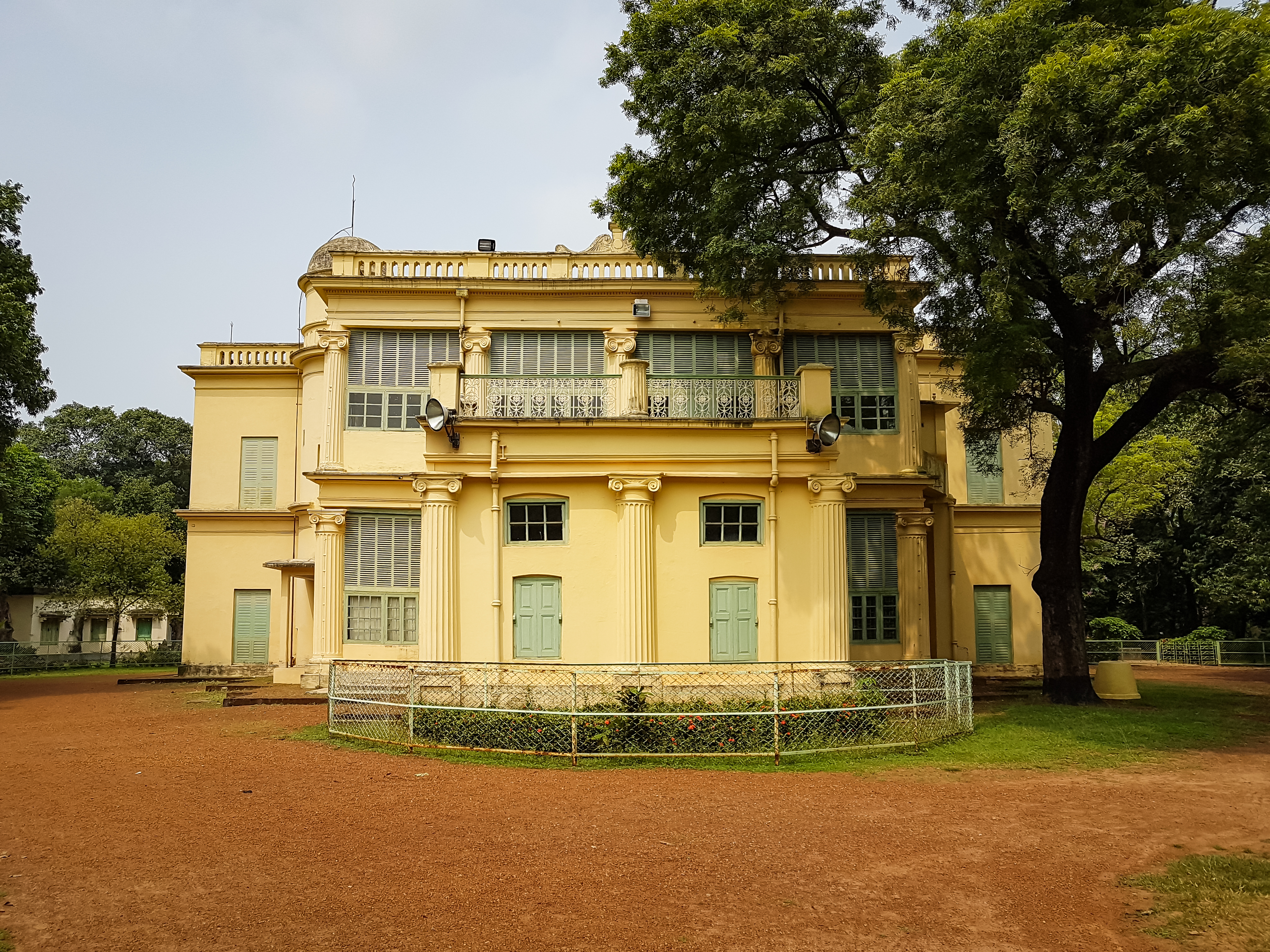
About Sriniketan and Surul
Santiniketan (Bengali: শান্তিনিকেতন Śāntiniketan), also spelt Shantiniketan, is a town in the Birbhum district of West Bengal and a UNESCO World Heritage Site. Deeply associated with the Nobel laureate Rabindranath Tagore and his brainchild Visva-Bharati University, around 1.2 million people visit Santiniketan for its unique blend of education, culture, and nature.
Sriniketan and Surul travel guide
Understand
Santiniketan (SHAHN-tih-nih-keh-tawn) was established by Debendranath Tagore in the second half of the 19th century, and then developed by his son, Rabindranath Tagore, the leading figure of the Bengali Renaissance. It is a unique learning centre in the sense that the education takes place under the canopy of a tree, instead of in a classroom. Distinct from the British colonial approach to education at the time, Santiniketan represents approaches toward a pan-Asian modernity, drawing on ancient, medieval and folk traditions of India as well as Japanese, Chinese, Persian, Balinese, Burmese and Art Deco forms. It is considered an example of an enclave of intellectuals, educators, artists, artisans and workers who collaborated and experimented with this modernity. Santiniketan has produced such diverse personalities as Indira Gandhi (once a Prime Minister of India), Satyajit Ray (an Oscar-winning filmmaker) and Amartya Sen (a Nobel laureate) and has been home to great artists and musicians. Santiniketan is also famous for the baul culture, where a group of men in saffron robes singing spiritual songs. Several artists are also closely associated with this town other than the Tagore family, including Nandalal Bose, Ramkinkar Baij and Benode Behari Mukherjee. Their works can be found throughout the town.
History In 1863, Debendranath Tagore took on permanent lease 20 acres (8.1 hectares) of land, along with two chātim (ছাতিম) trees from zamindar Bhuban Mohan Sinha. The leased area was a small village and the den of a gang of notorious dacoits. After the leader of the gang surrendered to Debendranath, they started helping him in developing the area. Debendranath built a guest house there and named it Santiniketan (literally the "abode of peace"). Gradually, the whole area came to be known as Santiniketan. Debendranath's son Rabindranath had once dreamt of a place where "the world would form a single nest", using a combination of education, appreciation of nature, music
Getting there
By plane The nearest airport is Kazi Nazrul Islam Airport (RDP IATA) at Durgapur, but flights are infrequent. Netaji Subhas Chandra Bose International Airport (CCU IATA) in Kolkata is the nearest major airport that is close to Santiniketan.
By train
Santiniketan is two to three hours by train from Kolkata. Vande Bharat Express and Shatabdi Express offer the fastest service. For schedules check with Indian Railways. There are two railway stations in Santiniketan, namely 1 Bolpur Shantiniketan ER (BHP) and 2 Prantik ER. Most express trains stop at Bolpur Shantiniketan. If you are travelling with a lot of baggage, you may struggle for space even in reserved coaches of express trains. Local trains from Bardhaman or Rampurhat can be crowded, depending on whether you are travelling on peak times or not. Express trains that stop at Bolpur Shantiniketan:
From Howrah (HWH): Ganadevta Express, Jamalpur Express, Kavi Guru Express, Malda Intercity Express, NJP Shatabdi Express, NJP Vande Bharat Express (fastest; non-stop), Saraighat Express and Shantiniketan Express (the only train that originates and/or terminates at HWH and BHP; so you a better chance of finding seats on this train if you buy unreserved tickets). From Sealdah (SDAH): Darjeeling Mail and Kanchanjungha Express. From New Jalpaiguri (NJP): Darjeeling Mail, Howhrah Shatabdi Express, Howrah Vande Bharat Express and Kanchenjunga Express.
By bus 3 Bolpur Jambuni Bus Stand, Pravat Sarani. From Kolkata, there are two bus options: The Asansol bus (alight near Panagarh) and the Suri bus (alight near Ilambazar). From both places, local buses are available for Bolpur.
By car Santiniketan is 212 km (132 mi) from Kolkata by road. Good drivers can cover the distance in about 3 hours. Santiniketan is connected with Kolkata by an excellent 4-lane expressway. From Kolkata, travel to Dankuni and take the Durgapur Expressway (NH 19). It will bypass Saktigarh, Bardhaman and Panagarh. At Panagarh (Darjeeling More),
Getting around
You can also look at the map of the Visva-Bharati campus in Santiniketan.
By rickshaw Electric rickshaws, locally known as ṭoṭo (টোটো), are the most convenient and cheap means of transport these days. The older cycle rickshaws are still available and can be availed, though it would cost more. If you are a tourist, don't get on the cycle rickshaws in front of the museum that are manned by persistent teenagers as they will take you on a farcical circulatory route to make you spend more. Choose the older guys. Or just walk around the town.
By car Hired cars and taxis are not always readily available, although they are not always needed as it is a compact town anyway.
By bicycle If you are planning an extended stay, it may be worth your while to purchase a bicycle from one of the many local cycle shops. A brand new bicycle costs ₹3,200-3,600.
See
1 Ballavpur Wildlife Sanctuary (Deer Park). 10AM–4PM (closed W). At the northwestern fringes of Santiniketan, Ballavpur Wildlife Sanctuary is just the perfect getaway for your next weekend. The lush sanctuary contains three large waterbodies (ঝিল jhil) which host migratory as well as resident birds in plenty. It is home to numerous spotted deer, blackbucks and other resident animals like jackals and foxes. The whole sanctuary is a protected area with watchtowers and jungle paths to walk around and catch glimpses of deer and other wildlife. (updated Aug 2022) 2 Kopai River (কোপাই Kopāi). A picturesque river north and west of Santiniketan, which meets the Bakreshwar River in Labhpur. Several tourists gather at the riverside to take pictures and/or videos of the river. There are several resorts at the Kopai River as well. (updated Aug 2022) 3 Prakriti Bhavan (প্রকৃতি ভবন Prakr̥ti Bhaban), Amar Kutir Rd, Kabi Mohanpur. 9AM–5PM daily. India's only nature art museum with an impressive indoor display of natural sculptures in driftwood, and dry wood and a sprawling open-air garden of natural rock sculptures. Set in the most picturesque part of Santiniketan it is an aesthetic manifestation of the legacy of Tagore's Santiniketan in linking people with nature through art, music and poetry. (updated May 2023) 4 Shilpagram (near Ballavpur Wildlife Sanctuary). It is designed very nicely and showcases traditional handicrafts of eastern and north-eastern India (including Bihar; Assam; Odisha; Manipur; Andaman and Nicobar Islands and Jharkhand). Each state is represented by a traditional house which has a collection of paintings and articraft. The place is maintained neatly and has a good collection of cultural elements. 5 Sriniketan. The dream village of Rabindranath Tagore. (updated May 2023) 6 Surul Rajbari (সুরুল রাজবাড়ি Surul Rājbāṛi). 8AM–6PM. The palace of the Sinha zamindars. The small temples with terracotta carvings are to the left of the Rajbari as one faces the Rajbari
Do
1 Bangladesh Bhavana. Well-designed new addition with auditorium.
Grounds 2 Amrakunja (আম্রকুঞ্জ Āmrakuñja). (updated Jul 2025) Dak Bun
Overview adapted from Wikipedia, travel guide fromWikivoyage (CC BY-SA). Photography via Wikimedia Commons.